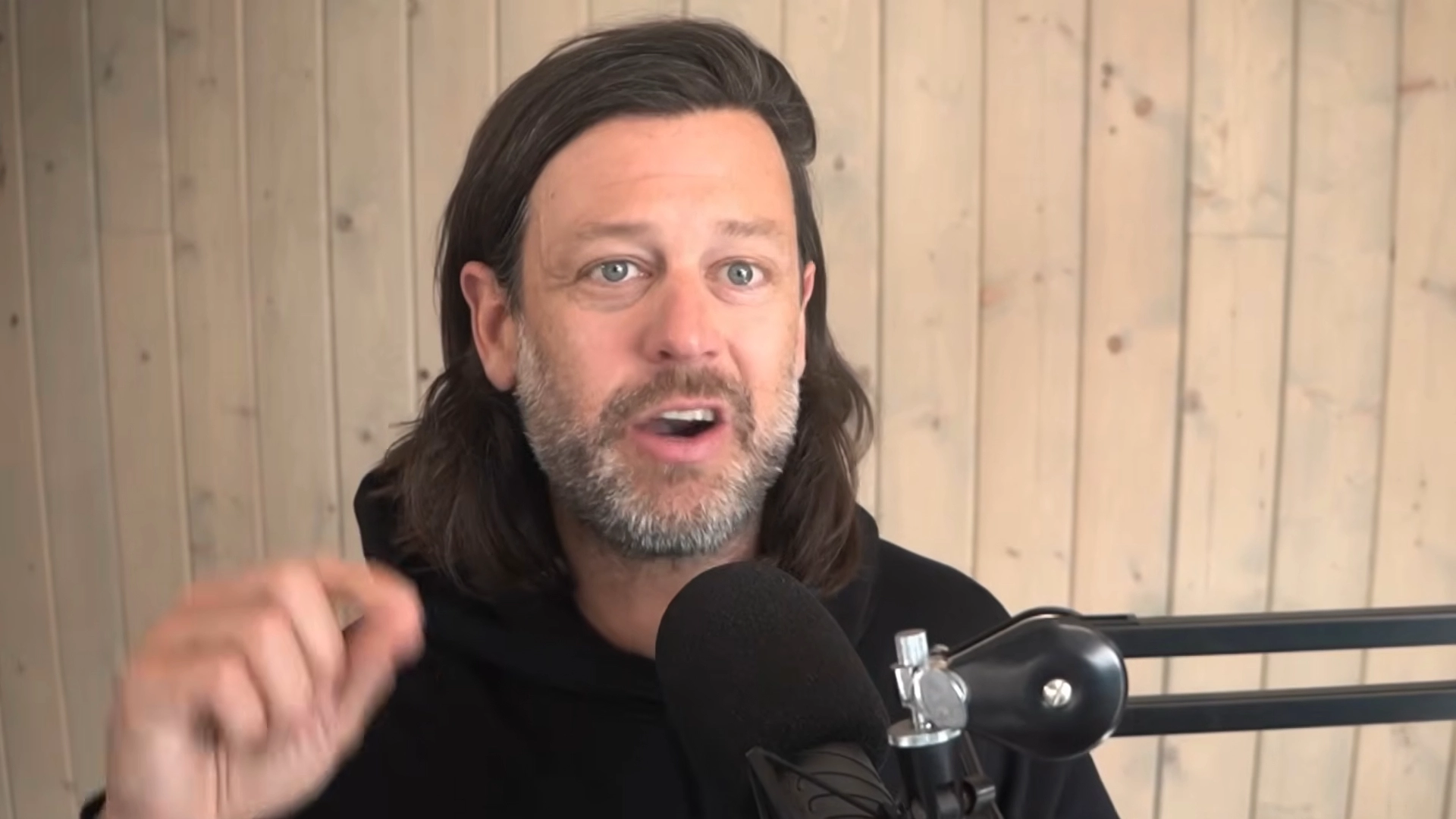
When people look up television weather anchors, they rarely think about the complex legal and scientific investigations happening behind the scenes. The term forensic meteorology describes the specialized field where atmospheric science meets the courtroom, reconstructing past weather events for legal, insurance, and investigative purposes. In public discussions, long-time television meteorologist Hollie Strano became widely recognized for her decades on air at WKYC in Cleveland, Ohio, rather than as an Australian author or storm-chasing researcher as some placeholder web content incorrectly claims.
Understanding what a forensic meteorologist actually does requires looking past internet rumors and AI-generated misinformation. This analysis breaks down the real science of forensic meteorology, the career background of prominent media meteorologists, and how weather data serves legal investigations.
What is Forensic Meteorology?
Forensic meteorology is the science of reconstructing past weather conditions for a specific location and time. Unlike traditional forecasters who predict tomorrow's rain, forensic meteorologists look backward. Insurance companies, legal teams, and municipal agencies hire these experts to determine exactly what the weather was doing during an accident, property damage incident, or criminal event.
When a major storm strikes, millions of dollars in liability hang in the balance. Was structural damage caused by a straight-line wind or an official tornado? Did black ice form on a specific overpass by 6:00 AM? Did heavy rainfall overwhelm a drainage system, or was there structural negligence? Forensic meteorologists answer these questions by analyzing Doppler radar archives, satellite imagery, surface station reports, and atmospheric sounding data. Further details into this topic are covered by Associated Press.
Key Tools Used in Forensic Investigations
Reconstructing historical weather requires specialized datasets and rigorous analytical methods. Professionals in this field rely on several core resources:
- NEXRAD Radar Archives: High-resolution radar data archives maintained by government agencies provide minute-by-minute views of precipitation intensity, wind velocity, and storm rotation.
- Automated Surface Observing Systems (ASOS): Airport and weather station networks record precise temperature, humidity, wind direction, barometric pressure, and precipitation amounts hourly or sub-hourly.
- High-Resolution Numerical Weather Prediction Models: Reanalysis datasets recreate past atmospheric states globally, allowing experts to model wind fields at micro-scale levels.
- Eyewitness and Photographic Correlation: Weather data is cross-referenced with dashcam footage, security camera recordings, and time-stamped photographs to establish undeniable timelines.
The Reality Behind Media Personalities and Public Records
Internet content farms frequently publish fabricated biographies about media personalities, confusing names, professions, and geographies. For example, low-quality automated sites have mislabeled local television personalities as Australian book authors or academic researchers specializing in tropical cyclones.
Hollie Strano spent her career anchored in Northeast Ohio television, serving as a prominent broadcast meteorologist for WKYC Channel 3 in Cleveland. Her public profile shifted significantly following legal events in late 2023, including a high-profile OVI arrest and subsequent guilty plea, which led to her departure from broadcasting. Examining public figures accurately requires separating verified news reporting from automated SEO spam that generates fictitious biographical details.
How Weather Reconstruction Works in Legal Cases
When a weather event leads to litigation, attorneys rely on expert meteorological testimony to prove or disprove liability. The process follows a strict scientific methodology to ensure findings hold up under cross-examination in court.
First, the forensic meteorologist establishes the macro-scale weather pattern for the day in question. They look at jet stream positions, frontal boundaries, and air mass characteristics. Next, they narrow down the analysis to the exact geographic coordinates of the incident. Using micro-meteorological principles, they account for local terrain, urban heat island effects, and topographical wind channeling.
Finally, the expert prepares a formal report and expert witness testimony. Judges and juries depend on clear, jargon-free explanations of complex atmospheric physics to understand whether an event constituted an unavoidable act of nature or a foreseeable hazard.
Common Misconceptions About Weather Science
Popular media often distorts how weather works and how professionals analyze it. Clearing up these misconceptions helps clarify the actual science:
- Radar shows rain on the ground: Radar beams travel upward as they move away from the transmitter. Just because radar detects precipitation aloft doesn't mean it was reaching the ground at that exact intensity.
- Forecasts equal forensic data: Public weather forecasts are generalized predictions for large zones. Forensic meteorology requires hyper-local site-specific data down to the exact street corner.
- All meteorologists storm chase: Media meteorologists and forensic specialists primarily work in offices analyzing data, computer models, and radar archives rather than driving intercept vehicles into tornadoes.
Frequently Asked Questions
What training is required to become a forensic meteorologist?
Most professionals hold a bachelor's degree or higher in meteorology, atmospheric science, or a related physical science. They also acquire specialized training in legal procedures, evidence handling, and forensic investigation techniques.
How far back can weather data be accurately reconstructed?
With modern digital archives like the National Centers for Environmental Information (NCEI) databases, reliable radar and station data exist reliably from the late 20th century onward. Rough surface observations exist for over a century, though spatial resolution decreases further back in time.
Why do insurance companies hire weather experts?
Insurance adjusters use forensic meteorological reports to verify claims involving wind damage, hail size, flooding, and freeze events, ensuring payouts align with verifiable atmospheric evidence rather than fraudulent claims.
What is the difference between a broadcast meteorologist and a forensic meteorologist?
Broadcast meteorologists communicate forecasts to the public via television or digital media. Forensic meteorologists analyze historical weather data for legal, insurance, and investigative purposes.