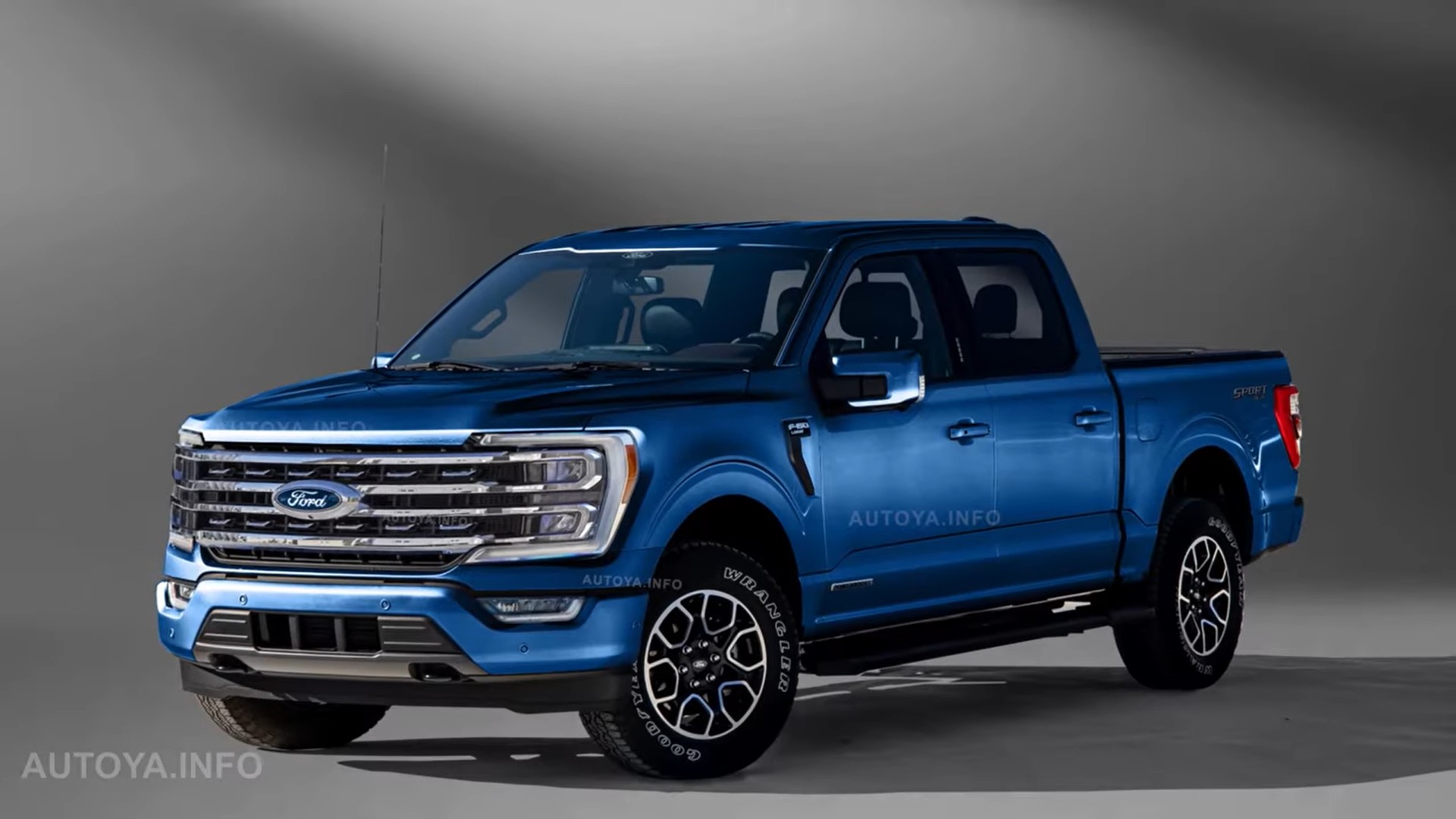
When you look at commercial vehicle badges, numbers get confusing fast. If you're eyeing a Ford Transit 250, you might wonder if it fits into the classic three-quarter-ton truck category alongside heavy-duty pickups like the F-250. The short answer is that traditional ton ratings don't apply neatly to modern cargo vans. While historic truck classes were based on payload weight in bed capacities, today's commercial vans use Gross Vehicle Weight Ratings (GVWR) that push past old classifications.
The Ford Transit 250 sits comfortably in Class 2 or Class 3 depending on configuration, bridging the gap between light-duty utility and heavy-duty workhorse. Its specs often exceed traditional three-quarter-ton pickup capabilities in terms of cargo volume, even if its towing specs differ. Let's break down the mechanics, clear up the marketing myths, and see what this van can actually handle on a real job site.
Understanding Traditional Truck Ton Ratings
Decades ago, truck badges meant something literal. A half-ton truck could carry one thousand pounds in the bed, a three-quarter-ton truck could carry fifteen hundred pounds, and a one-ton truck could carry two thousand pounds. Those numbers went out the window long ago. Modern engineering, stronger frames, and better braking systems mean trucks carry far more than their historical namesake fractions suggest.
Today, these classes map to GVWR ranges established by the Federal Highway Administration:
- Light-Duty (Half-Ton / Class 1-2a): GVWR up to 8,500 pounds. Think Ford F-150 or Transit 150.
- Medium-Duty (Three-Quarter-Ton / Class 2b): GVWR from 8,501 to 10,000 pounds. Think Ford F-250 or heavy-duty utility setups.
- Heavy-Duty (One-Ton / Class 3): GVWR from 10,001 to 14,000 pounds. Think Ford F-350 or Transit 350 heavy builds.
Because vehicle classes rely on total weight limits rather than bed payload limits, commercial vans have a different design philosophy than open-bed pickup trucks.
Where the Ford Transit 250 Fits
The Ford Transit 250 doesn't have an open bed, so comparing it directly to a pickup requires looking at its Gross Vehicle Weight Rating. Depending on the roof height, wheelbase, and build configuration, a modern Transit 250 typically features a GVWR ranging from 8,670 pounds to over 11,000 pounds.
That puts base models squarely in the traditional three-quarter-ton bracket (Class 2b), while higher GVWR variants cross into one-ton territory (Class 3).
Payload Capacity Realities
If you look at what the van can physically carry, it blows past old-school definitions. Depending on the exact specification, maximum payload capacity for a Transit 250 ranges from roughly 3,000 to over 5,000 pounds.
Compare that to a traditional pickup:
- A standard half-ton pickup usually caps out around 2,000 to 2,400 pounds of payload.
- A traditional three-quarter-ton pickup handles roughly 3,000 to 4,000 pounds of payload.
- The Transit 250 often matches or exceeds standard pickup payload limits because the chassis is engineered to carry dense interior shelving, heavy tools, and cargo bulkheads day in and day out.
Mechanics: Chassis, Suspension, and Powertrain
To understand why the Transit 250 behaves the way it does, you have to look underneath the sheet metal. Ford builds these vans on a unibody-reinforced commercial frame designed specifically to support constant weight distribution across the floor.
Suspension Setup
Unlike passenger SUVs or light crossovers, the Transit 250 uses heavy-duty components designed for commercial abuse.
- Front Suspension: Independent MacPherson struts with coil springs and a stabilizer bar handle steering stability under heavy front-end loads.
- Rear Suspension: Heavy-duty leaf springs paired with gas-pressurized shock absorbers keep the rear end from sagging when you load up thousands of pounds of gear.
Engine and Towing Performance
Most modern Transit 250 models feature a capable 3.5-liter V6 engine (with EcoBoost options available for added power) paired with a responsive 10-speed automatic transmission.
When it comes to towing, the Transit 250 maxes out around 6,800 pounds when properly equipped. This is an important distinction: while its payload capacity matches or beats a three-quarter-ton pickup, its towing capacity is lower than an F-250, which can pull upwards of 15,000 to 20,000 pounds. Vans are optimized for internal volume and payload, not heavy trailer pulling.
You can review official configuration options and safety standards directly through the Ford Commercial Vehicles portal.
Common Mistakes When Loading a Transit 250
Operators often run into trouble because they confuse cargo volume with weight capacity. Just because you can fit large boxes inside a high-roof extended model doesn't mean the tires and axles can legally support that much weight.
- Ignoring Axle Weight Ratings: Piling all your heavy equipment near the rear doors overloads the rear axle while unloading the front steering axle, reducing traction.
- Forgetting Passenger and Upfit Weight: The payload capacity listed on the door jamb is for the empty van with a full tank of fuel. Add shelving units, racks, a division bulkhead, two workers, and tools, and you might eat up 1,000 pounds of your payload before loading any cargo.
- Overlooking Tire Ratings: Commercial tires have strict Load Range letters. Putting passenger-car tires on a commercial van compromises stability under heavy loads. Check standards set by the National Highway Traffic Safety Administration regarding vehicle safety compliance and gross weight ratings.
Frequently Asked Questions
Is the Ford Transit 250 considered a heavy-duty vehicle?
Yes. With a GVWR starting around 8,670 pounds and scaling upward, it falls into the heavy-duty classification bracket, requiring commercial-grade maintenance and careful attention to weight limits.
Can a Transit 250 tow a heavy equipment trailer?
Not effectively. While it can tow up to 6,800 pounds, it is designed primarily as a cargo carrier rather than a heavy towing platform. If you need to pull heavy construction trailers regularly, an F-250 or F-350 pickup is a better fit.
What is the main difference between the Transit 150 and Transit 250?
The Transit 150 is a light-duty van with a lower GVWR (usually around 8,550 pounds or less), whereas the Transit 250 features beefier suspension components, stronger brakes, and a higher GVWR to handle heavier commercial payloads.
Do I need a special driver's license to drive a Transit 250?
No. Standard driver's licenses cover vehicles under 26,000 pounds in most jurisdictions, so standard operators can drive any configuration of the Transit 250 without a commercial driver's license (CDL).



