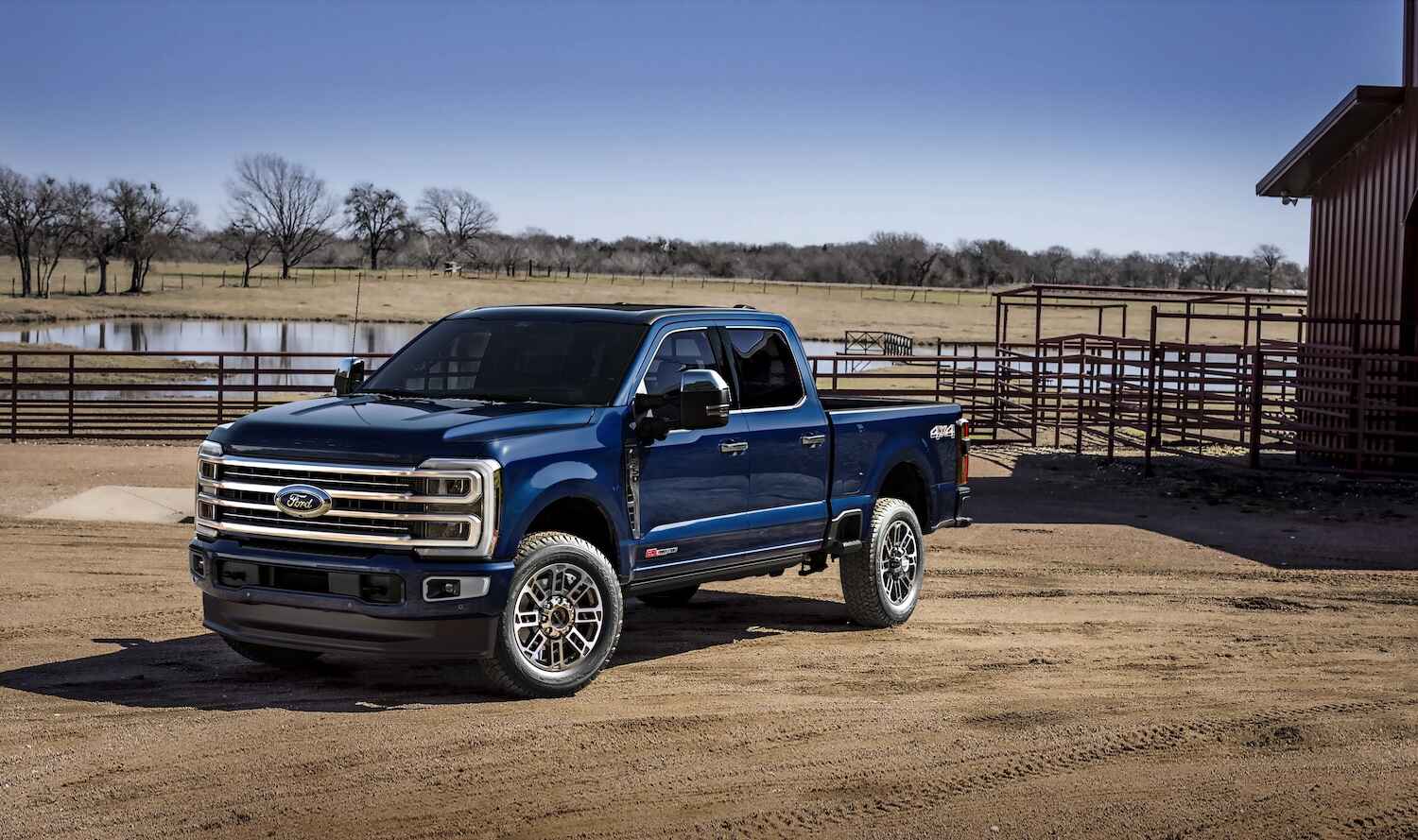
Choosing a family-sized four-wheel drive usually forces a compromise between rugged off-road credentials and commuter-friendly refinement. The Ford Everest Wildtrak bridges this gap by combining the heavy-duty muscle of the Ranger platform with the daily utility of a seven-seat utility vehicle. It sits near the top of the lineup, targeting drivers who want distinctive styling, serious towing capability, and a cabin packed with modern technology without stepping up to the luxury-focused Platinum tier.
Underneath its signature exterior styling and high-riding stance, the Wildtrak relies on a robust 3.0-litre V6 turbocharged diesel engine paired with a 10-speed automatic transmission. It delivers 250 horsepower and 600 Nm of torque, providing plenty of pulling power for heavy loads and technical off-road tracks. If you are trying to figure out whether this variant justifies its price tag over standard models, looking closely at its real-world performance, towing numbers, and interior layout reveals where it shines.
Engine Performance and On-Road Dynamics
The 3.0-litre V6 diesel engine defines the character of the Wildtrak. Unlike the bi-turbo four-cylinder options found lower in the range, this six-cylinder powerplant delivers smooth, effortless acceleration from low revs. Peak torque kicks in early at 1,750 rpm, meaning you rarely have to push the engine hard when merging onto highways or pulling away from a standstill with a full load of passengers.
Power is managed by a 10-speed automatic transmission that shifts quietly in the background during city driving. While some multi-speed transmissions can hunt for gears on rolling hills, this unit keeps the V6 sitting comfortably in its power band. On the tarmac, the ride leans towards the firmer side because of its truck-based chassis and 20-inch alloy wheels, but body roll is well-controlled for a large utility vehicle. Steering weight is balanced, making tight parking maneuvers manageable despite the vehicle's substantial footprint. Related analysis on the subject has been shared by BBC.
Off-Road Capability and Towing Specs
When you leave the pavement behind, the Wildtrak utilizes an advanced full-time four-wheel-drive system alongside a selectable terrain management setup. It provides a generous ground clearance of 226 millimetres, allowing it to clear deep ruts and rocky obstacles without scraping vital components. Approach and departure angles are optimized for steep ascents and descents, supported by hill descent control and a locking rear differential.
For utility buyers, towing capacity is often the deciding factor. The Wildtrak matches the highest benchmarks in its class with a 3,500 kg braked towing capacity and a 750 kg unbraked limit. The integrated trailer brake controller and specialized tow/haul drive modes help stabilize heavy loads, making it a reliable option for hauling large caravans, horse floats, or boat trailers across long distances.
- Engine: 3.0-litre V6 turbocharged diesel
- Power Output: 250 hp (184 kW) at 3,250 rpm
- Torque: 600 Nm at 1,750–2,250 rpm
- Transmission: 10-speed automatic
- Fuel Capacity: 80 litres
Interior Layout and Cabin Technology
Step inside, and the Wildtrak distinguishes itself from standard utility vehicles with unique interior appointments, including contrasting stitching, embroidered leather-accented seats, and targeted heating and ventilation controls. The cabin layout prioritizes practical storage, featuring dual gloveboxes, deep door pockets, and multiple USB charging points across all three rows.
The dashboard centers around a portrait-oriented touchscreen running Ford's SYNC infotainment software. It supports wireless Apple CarPlay and Android Auto integration, alongside a crisp digital instrument cluster that lets you configure driver displays based on your current activity—whether that's monitoring off-road pitch angles or tracking fuel economy on a highway trip.
Seating flexibility remains a major strength. The second row slides and reclines, making it easier to fit bulky child safety seats or balance legroom with third-row occupants. Folding the flat-floor third row down expands cargo space significantly for camping gear or weekly groceries.
Common Mistakes to Avoid
Buyers transitioning from smaller crossovers or passenger cars often make a few miscalculations when living with a large body-on-frame SUV like the Wildtrak.
- Ignoring fuel consumption realities: While official combined figures hover around 9.7 litres per 100 kilometres, heavy towing or constant urban stop-and-go driving will push those numbers much higher. Keep your expectations realistic if you plan to use it primarily for city commutes.
- Overlooking garage dimensions: At nearly five metres long and over 1.8 metres tall, standard domestic garages can be a tight squeeze. Always check clearance heights before attempting to park underground.
- Neglecting payload limits: Just because the vehicle can pull 3,500 kg doesn't mean you can load the cabin and boot to their absolute maximums without checking the gross combined mass (GCM) limits. Exceeding these legal limits affects braking performance and voids insurance.
Frequently Asked Questions
Does the Wildtrak require AdBlue?
Yes, the 3.0-litre V6 diesel engine utilizes a Selective Catalytic Reduction system requiring AdBlue fluid to reduce nitrogen oxide emissions. You will need to top it up periodically during routine service intervals.
How does the Wildtrak differ from the Everest Platinum?
While the Wildtrak leans into a rugged, sporty aesthetic with unique dark exterior accents and specialized interior stitching, the Platinum focuses on luxury features like a panoramic sunroof, premium audio systems, and more adjustable seating luxuries.
Can you fit a bullbar or winch safely?
Yes, the front-end architecture is designed to accommodate approved accessories, but you must ensure any aftermarket additions comply with front gross axle weight ratings and do not interfere with modern safety sensors.
What is the real-world fuel range on a full tank?
With an 80-litre fuel tank, mixed highway and city driving typically yields a practical cruising range of around 750 to 800 kilometres before needing a refill, depending heavily on your load and terrain.



