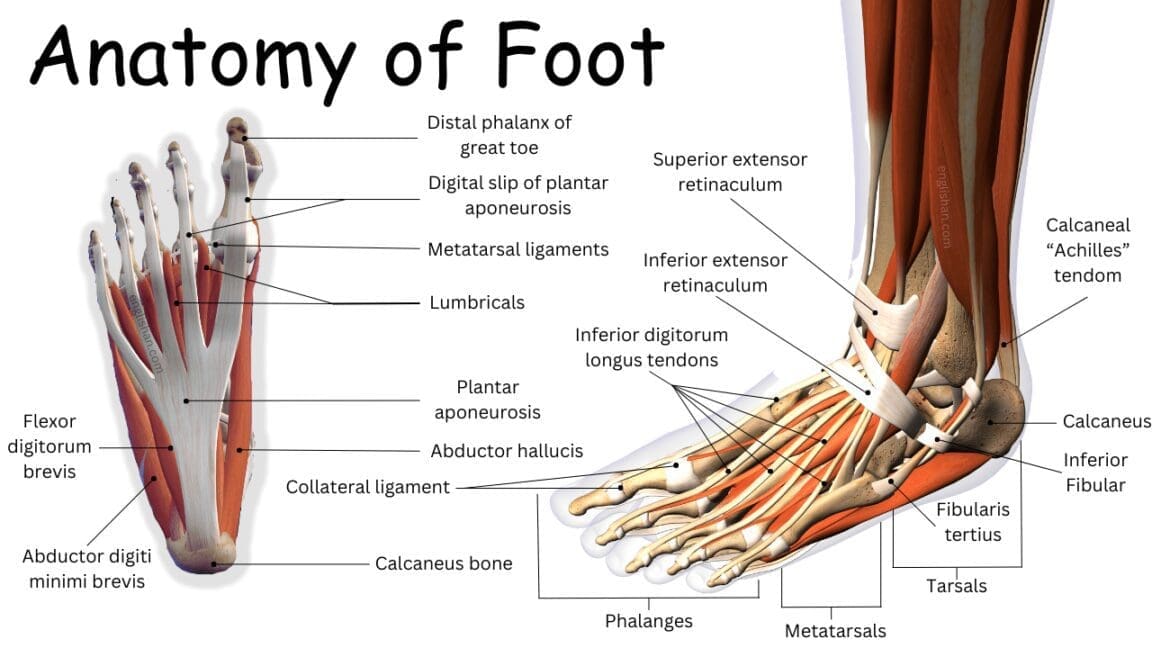
Your feet support your entire body weight through thousands of steps every single day, absorbing impact forces that can reach up to three times your body weight with every stride. When the end of the day arrives, that cumulative strain manifests as throbbing arches, stiff tendons, and general fatigue. A foot massager spa offers targeted mechanical and thermal therapy to relieve that buildup, boosting blood flow and relaxing overworked muscles without requiring a trip to a professional salon.
Choosing the right device requires understanding how different mechanisms address specific foot ailments. Whether you're dealing with the sharp morning heel pain of plantar fasciitis or simply want to unwind after standing on hard concrete floors for eight hours, matching your needs to the correct massager style ensures you actually get relief rather than temporary surface tickling.
How Foot Massage Devices Work
Modern home foot spas combine mechanical motion with thermal elements to mimic human hands. Understanding these core mechanisms helps you evaluate which features matter most for your specific discomfort.
- Shiatsu Rolling Nodes: Rotating plastic or silicone balls press upward into the arch and heel, simulating the thumb-and-finger kneading of professional massage therapists.
- Air Compression Chambers: Inflatable fabric pockets wrap around the top and sides of the foot, applying rhythmic squeezing pressure that drives fluid circulation and locks the foot in place against the lower rollers.
- Infrared Heat Elements: Built-in heating coils warm the sole plate to soothe deep muscle tissue, increasing local blood vessel dilation and tissue elasticity.
- Vibration Plates: High-frequency oscillating bases send rapid micro-shaking waves through the entire foot structure to loosen surface tension and calm nervous system feedback.
According to research published by the National Institutes of Health, mechanical foot massage stimulates cutaneous mechanoreceptors, which can significantly reduce perceived muscle tension and lower heart rate variability. When you combine this mechanical input with warmth, your blood vessels dilate, allowing fresh oxygenated blood to flush out accumulated metabolic waste products from the plantar fascia.
Comparing Types of Foot Massager Spas
Not all devices solve the same problems. Before buying, evaluate the three primary categories available on the market today.
Electric Shiatsu and Compression Units
These enclosed electric machines cover your entire foot up to the ankle. They use a combination of motorized rollers on the bottom and synchronized air bags on the sides.
- Best for: Deep tissue relief, chronic heel pain, and total relaxation.
- Pros: Offers intense pressure, adjustable intensity levels, and active heat therapy.
- Cons: Bulky to store, requires an electrical outlet, and may feel too intense for sensitive feet.
Open-Platform Rollers and Wooden Tracks
These manual devices feature independent wooden or textured plastic rollers mounted on a fixed frame. You control the speed and downward pressure entirely with your own leg movement.
- Best for: Quick under-desk use, budget-conscious buyers, and gentle reflexology stimulation.
- Pros: Lightweight, highly durable, zero electricity required, and completely silent.
- Cons: Requires physical effort to operate; offers no heat or deep tissue kneading.
Hydrotherapy Water Soaks
Traditional foot spa basins fill with water, often featuring motorized water jets, bubble generators, and built-in bottom rollers that you glide your feet over manually.
- Best for: Softening calluses, pedicure prep, and soothing tired skin after wearing stiff shoes.
- Pros: Combines warm water relaxation with skin softening.
- Cons: Messy to fill and empty, takes longer to set up, and requires thorough cleaning to prevent mold growth.
Core Health Benefits
Integrating targeted foot therapy into your weekly routine provides physiological advantages that extend far beyond simple comfort.
- Circulation Acceleration: Sedentary desk jobs or prolonged standing can cause blood to pool in the lower extremities. Regular compression massage stimulates venous return, reducing ankle swelling and the sensation of heavy legs.
- Plantar Fasciitis Relief: Applying sustained pressure to the thick band of tissue running across the bottom of your foot helps break up microscopic fascial adhesions, reducing morning stiffness.
- Nervous System Regulation: Foot stimulation triggers the parasympathetic nervous system, helping to drop cortisol levels and prepare your body for deep, restorative sleep.
Common Mistakes to Avoid
Getting the most out of your device requires avoiding a few frequent usage errors that can lead to increased soreness or device damage.
- Starting on Maximum Intensity: Jumping straight into the highest Shiatsu setting can bruise sensitive arch tissues. Always start on the lowest setting for your first few sessions.
- Skipping Socks: Direct skin contact can cause friction burns or transfer natural oils directly onto difficult-to-clean internal fabric linings. Wear thin cotton socks during your massage.
- Overusing the Device: Running a deep-tissue massager for more than twenty minutes at a time can inflame delicate foot structures. Stick to 15-minute sessions once or twice daily.
- Ignoring Hygiene: Failing to clean removable fabric inserts allows bacteria and dead skin cells to accumulate, leading to foot odors or fungal issues.
Frequently Asked Questions
Can I use a foot massager if I have neuropathy?
If you have peripheral neuropathy or reduced sensation in your feet, you should consult your physician before using heated or intense mechanical massagers. Because you cannot accurately gauge pressure or heat levels, you risk developing skin abrasions or burns without realizing it.
How often should I clean my foot massager?
If your device features removable, washable fabric covers, launder them every two weeks with mild detergent. For non-removable surfaces, wipe down the interior weekly with a damp microfiber cloth and a mild antibacterial spray, making sure the unit is unplugged first.
Are hydrotherapy water spas better than electric dry massagers?
They serve different purposes. Hydrotherapy spas excel at softening skin, easing joint stiffness through warmth, and preparing feet for pedicures. Electric dry massagers with air compression and rollers provide much deeper muscle penetration for chronic arch pain and fatigue.
Can foot massagers help with lower back pain?
Yes, indirectly. Tension in the plantar fascia and calves alters your gait and postural alignment, which places strain up the kinetic chain into your hips and lower back. Releasing foot tension helps restore a natural stride, easing secondary muscular strain.



