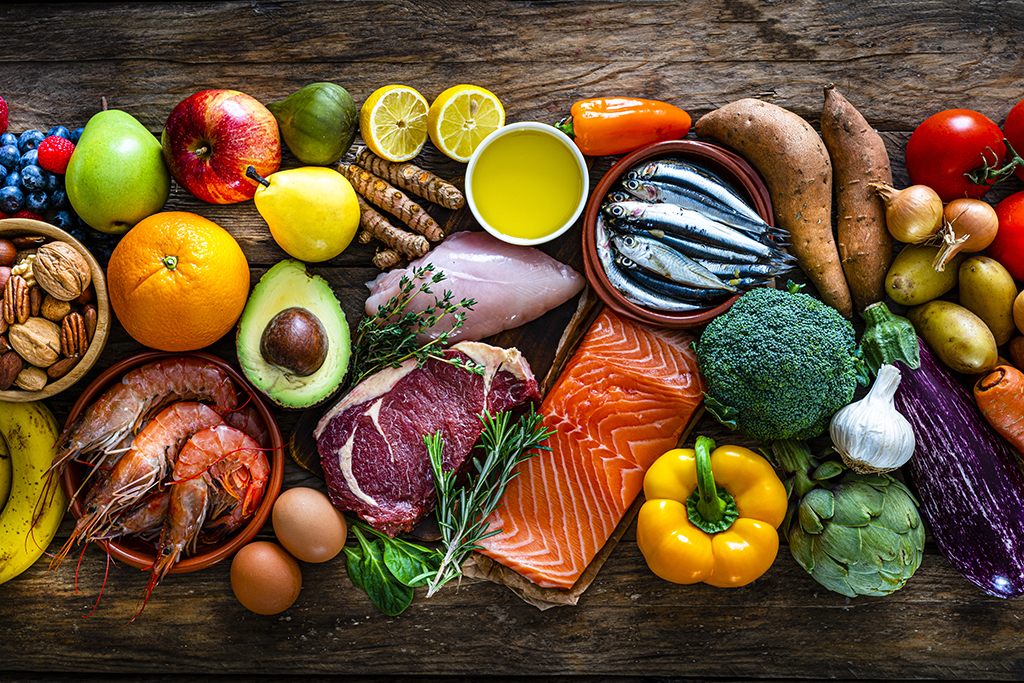
Starch is a complex carbohydrate made up of long chains of glucose molecules linked together. Plants produce it as an energy store, and when we eat them, our digestive enzymes break those bonds down to fuel our bodies. If you're tracking your intake, managing blood sugar, or just curious about what's on your plate, knowing which foods contain starch is essential.
The primary sources of dietary starch fall into four major groups: grains, starchy vegetables, legumes, and processed foods. While whole-food sources deliver vital fiber, vitamins, and minerals alongside their starches, highly refined versions digest rapidly and can spike blood sugar. Let's break down the exact list of what contains starch, how different types behave in the body, and what common traps to avoid.
Grains and Pseudograins
Grains are the most concentrated dry source of starch in human diets. Whether whole or refined, the internal endosperm of these seeds consists mostly of starch granules.
- Wheat: The foundation of modern baking. Found in bread, pasta, couscous, crackers, and pastries. Whole wheat retains the fiber-rich bran, while refined white flour strips it away, altering how fast your body absorbs the glucose.
- Rice: Cultivated globally in white, brown, jasmine, and basmati varieties. White rice has the outer husk and bran removed, leaving a fast-digesting starch, whereas brown rice keeps the bran intact for slower digestion.
- Corn (Maize): Eaten as whole kernels, ground into polenta, grits, or processed into cornstarch. Corn packs a heavy starch punch regardless of how it's prepared.
- Oats: Rolled, steel-cut, or groats. While celebrated for soluble fiber like beta-glucan, oats are fundamentally a starchy grain.
- Barley, Rye, and Sorghum: Ancient and modern cereal grains rich in complex carbohydrates. Barley is frequently added to soups and stews as a thickener because of its high starch content.
- Quinoa, Amaranth, and Buckwheat: Technically pseudograins (seeds cooked like grains), these offer complete plant proteins alongside substantial starch levels.
Starchy Vegetables
Unlike leafy greens like spinach or kale, which consist mostly of water and cellulose, certain root and tuber vegetables store heavy reserves of energy underground.
- Potatoes: Russet, red, yellow, and fingerling varieties. Potatoes are nearly synonymous with dietary starch. How you cook them matters: cooling a cooked potato creates resistant starch, which resists immediate digestion and acts more like fiber in the gut.
- Sweet Potatoes and Yams: Dense tubers loaded with beta-carotene or vitamins alongside complex starches. Yams tend to be starchier and drier than sweet potatoes, which contain more natural sugars.
- Cassava (Yuca): A tropical root vegetable that serves as the base for tapioca. Cassava is intensely starchy and must be prepared correctly to neutralize natural toxins.
- Taro and Plantains: Green plantains function more like starchy potatoes than sweet dessert bananas. Taro root is a dense underground tuber heavily relied upon in tropical and Asian cuisines.
- Winter Squash: Butternut, acorn, and kabocha squash contain notable starch amounts, though they soften into sweet, fiber-rich flesh when roasted.
Legumes (Beans and Peas)
Legumes occupy a unique space in nutrition. While they are celebrated for plant-based protein and prebiotic fiber, they are fundamentally starch-dominant foods.
- Lentils: Green, brown, red, and black varieties. Lentils cook down quickly and provide a dense matrix of slow-digesting starch and protein.
- Chickpeas (Garbanzo Beans): Used in hummus and curries, chickpeas contain high levels of starch bound up in tight cell walls, resulting in a low glycemic index when eaten whole.
- Beans: Kidney, black, pinto, navy, and cannellini beans. Their cellular structure slows down starch breakdown, making them steady energy sources.
- Green Peas: Unlike watery garden veggies, fresh and dried green peas pack a concentrated amount of starch.
Processed Foods and Added Starches
Manufacturers frequently isolate starch from corn, wheat, or potatoes to use as a functional ingredient. You'll find added starches acting as thickeners, stabilizers, or anti-caking agents in unexpected places.
- Soups, Gravies, and Sauces: Commercial canned soups and bottled gravies use modified food starch or cornstarch to create a thick, glossy texture.
- Processed Snacks: Potato chips, tortilla chips, pretzels, and crackers are engineered from refined starches that break down rapidly into glucose.
- Instant Noodles: Pre-cooked and dried ramen blocks rely entirely on flash-fried refined wheat starch.
- Dairy Alternatives and Processed Meats: Some commercial yogurts, ice creams, processed deli meats, and sausage casings incorporate starches to retain moisture and improve mouthfeel.
Common Mistakes to Avoid
When adjusting your starch intake, simple misconceptions can derail your goals.
- Assuming all starches behave the same: Eating a bowl of instant white rice creates a steep blood sugar spike compared to eating chilled lentil salad. The physical structure and fiber context change everything.
- Fearing whole-food starches: Cutting out sweet potatoes, oats, or beans out of fear of carbohydrates often means missing out on vital micronutrients and sustained energy. The target should be limiting ultra-processed refined starches, not whole tubers and grains.
- Ignoring hidden starches: If you're managing strict carbohydrate restrictions, check ingredient labels on condiments, salad dressings, and processed protein bars where modified starch hides under generic names.
Frequently Asked Questions
Do all fruits contain starch?
No. As fruits ripen, enzymes convert their internal starches into simple sugars like fructose and glucose. Unripe fruits (like green bananas or plantains) are high in starch, whereas fully ripe fruits contain almost exclusively sugar.
What is resistant starch?
Resistant starch escapes digestion in the small intestine and reaches the colon largely intact, where gut bacteria ferment it into beneficial short-chain fatty acids. You can increase resistant starch in foods like potatoes, rice, and pasta simply by cooking them and letting them cool in the refrigerator before eating.
Is starch the same thing as sugar?
Chemically, starches are polysaccharides—long, complex chains composed of hundreds of glucose units. Sugars are simple carbohydrates (monosaccharides or disaccharides) consisting of one or two molecules. Your body must break starch down into individual glucose molecules during digestion before it can absorb it.
Do meats, fish, and eggs contain starch?
No. Animal tissues store energy as glycogen rather than starch, and glycogen breaks down rapidly post-slaughter. Pure meats, fish, poultry, eggs, and natural fats contain zero starch unless they have been breaded or mixed with fillers during manufacturing.
For broader dietary guidelines on carbohydrate quality, you can review resources from the British Nutrition Foundation or explore clinical nutrition overviews provided by the Harvard T.H. Chan School of Public Health.


