Language changes fast, and few terms carry as much generational baggage and social nuance as FOB. Originally born out of shipping and immigration logistics, the acronym transitioned into a widespread piece of colloquial slang used to describe individuals perceived as unassimilated newcomers. Today, the term sits at an uneasy intersection of cultural pride, casual stereotyping, and bitter online debate. Understanding what it means requires looking closely at how immigrant communities navigate identity, belonging, and the tension between heritage and modern integration.
The phrase stands for "Fresh Off the Boat." For decades, it served as a shorthand descriptor for first-generation immigrants who had recently arrived in a Western country, marked by heavy accents, distinct cultural preferences, and unfamiliarity with local social norms. While the term originated within Asian immigrant communities—particularly Chinese, Korean, and Vietnamese diasporas in North America and Australia—its usage has expanded, shifted, and fragmented across digital spaces and youth subcultures.
The Linguistic Evolution: From Cargo to Culture
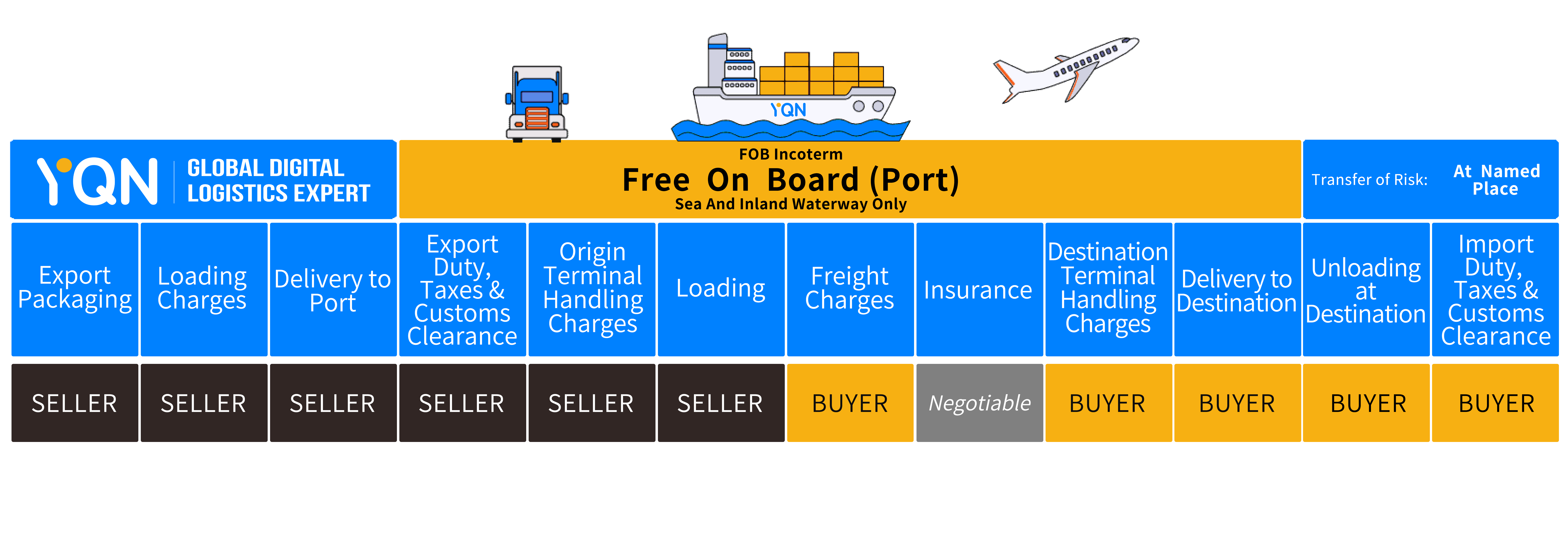
Every acronym has a history, and FOB began as a literal trade term. In global shipping and commerce, FOB stands for "Free on Board" or "Freight on Board," designating the point at which ownership and liability of cargo transfer from seller to buyer. This administrative and legal language denoted movement across borders and the arrival of goods from overseas.
Over time, colloquial adaptation grafted this commercial concept onto human migration. During the major waves of immigration to North America in the late 20th century, established immigrant communities and subsequent generations began using "Fresh Off the Boat" to describe newcomers. Early usage was primarily descriptive, denoting someone who had just stepped off a plane or ship and had not yet learned local customs, slang, or idioms.
As second- and third-generation immigrant youth formed distinct subcultures balancing parental heritage with Western peer groups, the phrase compressed into the three-letter acronym. It transformed from a literal description of timing into a social category. By the late 1990s and 2000s, the label became a pervasive fixture in high schools, university campuses, and community centers, carrying a mix of playful teasing, social hierarchy, and sharp exclusion.
Decoding the Core Meanings and Stereotypes
When people deploy the term today, it typically invokes a specific cluster of behavioral, stylistic, and linguistic traits. These markers form the stereotype associated with the label, though the reality varies wildly from person to person.
- Linguistic Markers: Speaking a native language predominantly, possessing a pronounced accent when speaking English, or mixing languages in specific ways (such as Chinglish or Konglish).
- Stylistic Choices: Wearing specific fashion brands popular in East Asia or overseas markets rather than local domestic styles, maintaining distinct grooming habits, or using specific accessories.
- Social Circles: Preferring to socialize primarily within tight-knit groups of other recent immigrants or international students who share identical cultural reference points.
- Media and Consumer Habits: Consuming media, music, and digital platforms originating from overseas home countries rather than local domestic pop culture.
These traits became hyper-visible on college campuses, where international student populations intersected with domestic Asian American or Asian Canadian populations. This proximity intensified the internal social sorting, leading to the creation of rigid subculture labels like "FOB" versus "Americanized" or "Local."
The Generational Divide and Intra-Community Tension
The debate surrounding the term stems largely from the deep generational friction it exposes. First-generation immigrants experience the word very differently than their children or grandchildren.
For many first-generation arrivals, the label is painful. It serves as a reminder of the isolation, cultural displacement, and discrimination they faced when trying to build a life in a new country. When peers or younger generations use the term casually, it can feel like a dismissal of their sacrifices and a mockery of the very cultural traits they worked hard to maintain.
Conversely, second-generation youth often view the term through a lens of teenage social navigation. For them, it might describe a set of behaviors or a lifestyle rather than a direct attack on a person's dignity. However, this casual separation frequently creates friction within families, where parents struggle to understand why their children use a label that echoes the xenophobia they fought hard to overcome.
According to research from the Pew Research Center, generational shifts in identity and assimilation patterns among immigrant communities heavily influence how internal community language develops and transforms over time.
Reclamation Versus Weaponization
Like many pejorative terms, FOB has undergone attempts at linguistic reclamation. Within various diaspora groups, younger individuals have embraced the label ironically or proudly to push back against assimilationist pressures.
Reclamation shifts the power dynamic. Instead of allowing the term to function as an insult implying inferiority, some members of the diaspora use it to celebrate authentic connection to their roots, fluency in multiple languages, and a rejection of whitewashed expectations. For instance, online creators and community groups often use the term with self-awareness to poke fun at specific cultural habits, such as a preference for certain foods, specific karaoke styles, or familial expectations.
Despite these efforts at re-appropriation, the term remains contentious. Critics argue that unlike other reclaimed slurs, the word still heavily reinforces hierarchies within a marginalized group, often weaponized by more assimilated individuals to distance themselves from recent immigrants and deflect mainstream prejudice. When used by individuals outside the community, it loses all nuance, reverting strictly to a tool of othering and casual xenophobia.
Frequently Asked Questions
Is FOB considered a racial slur?
It is not classified as a formal racial slur, but it can function as a derogatory and exclusionary term depending on the context, tone, and intent. Within diaspora communities, it often carries loaded social baggage that makes its usage sensitive.
Where did the term originate?
The acronym derives from the shipping term "Free on Board," but the colloquial phrase "Fresh Off the Boat" gained traction in North America during the latter half of the 20th century to describe newly arrived immigrants.
How has the internet changed the use of the term?
Social media platforms like TikTok, YouTube, and various forum communities have amplified the term, turning cultural nuances into viral content, memes, and skits. This widespread exposure often strips away the historical and sociological context, flattening complex immigrant experiences into simplistic tropes.
Can the term ever be used positively?
Within certain friend groups or among peers of the same cultural background, it is occasionally used playfully or ironically to signal cultural familiarity or pride in heritage. However, due to its history of exclusion, its reception remains mixed and deeply dependent on context.



