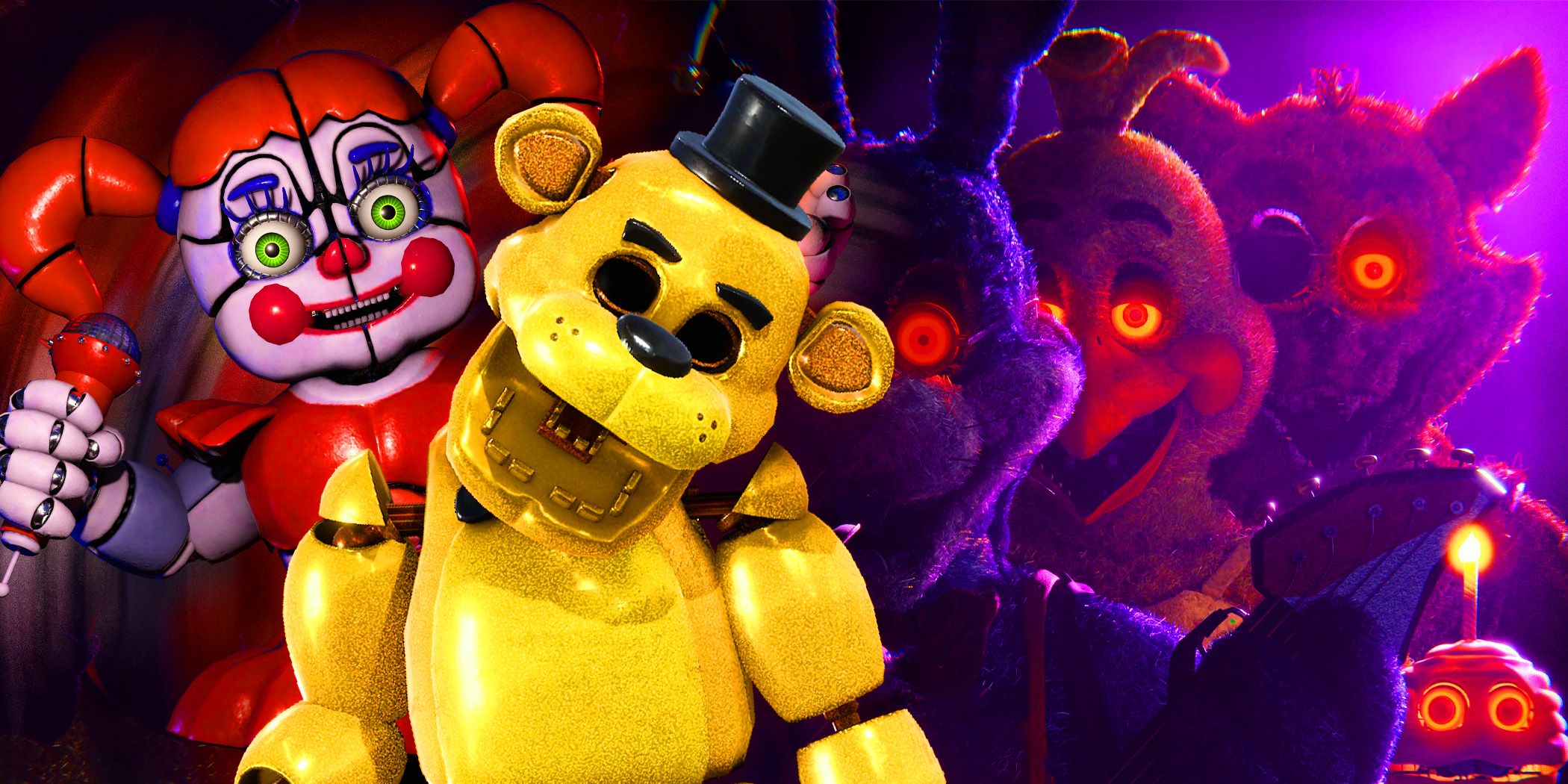
When indie developer Scott Cawthon released Five Nights at Freddy's in 2014, he launched a multi-media juggernaut that permanently altered internet culture and horror media. Years later, translating that minimalist point-and-click concept into a cinematic universe forced a stark contrast between interactive dread and blockbuster storytelling. Comparing the modern adaptation landscape to the sparse original masterpiece reveals how a generation's favorite indie horror evolved from a single locked office into a sprawling cultural phenomenon.
The core tension of the original 2014 release relied entirely on claustrophobic confinement and resource management. You sat in a swivel chair, conserved a dwindling power supply, and monitored static-filled security cameras while tracking mechanical animals down dark hallways. The narrative was implicit, hidden in newspaper clippings tucked away in corners or whispered through ominous phone calls from an anonymous predecessor. Fans didn't just play the game; they excavated it, building a massive community-driven theory-crafting culture that treated every pixel as a clue to a dark corporate conspiracy.
When Hollywood finally brought the franchise to the silver screen, the narrative approach shifted dramatically. Instead of keeping the perspective locked to a nameless night guard panicking over battery percentages, the cinematic adaptation expanded character backgrounds, gave physical space to the haunting, and restructured the timeline. This pivot from solitary survival horror to character-driven mystery highlights a fundamental truth about adapting interactive media: direct translations rarely work without reshaping the core mechanics to fit passive viewing.
The Mechanics of Isolation vs Cinematic Storytelling
The genius of the original game rested on helplessness. You couldn't fight back, you couldn't run, and every action carried an immediate penalty. Closing a steel security door saved you from Bonnie or Chica, but it drained precious electrical juice needed to survive until 6:00 AM.
In contrast, the feature film adaptation leaned into emotional stakes and family trauma. Protagonist Mike Schmidt wasn't just a random minimum-wage worker trying to pay rent; he was a haunted older brother dealing with the unsolved kidnapping of his younger sibling. This narrative weight transformed the pizzeria from a haunted workplace into a metaphysical battleground for closure.
- Agency vs Observation: The games forced split-second survival choices under immense pressure. The movie traded mechanical panic for dramatic tension, allowing characters to interact physically with the animatronics outside of jump-scare windows.
- Environmental Storytelling: The 2014 title communicated decay through audio cues, flickering lights, and text. The film relied on set design, practical effects by Jim Henson's Creature Shop, and explicit dialogue to establish the grim history of Fazbear Entertainment.
- Pacing Adjustments: Gameplay relied on repeating the same five-minute cycle of paranoia night after night. Film structure required a three-act escalation, moving from mundane discovery to supernatural confrontation.
Lore Complexity and Canon Divergence
Few franchises match the labyrinthine mythology of this series. What started as a simple tale of a murderous night watchman and vengeful child spirits snowballed across sequels, spin-offs, and novel trilogies into an overwhelming web of remnant, springlock suits, and corporate deceit.
The cinematic version chose a separate continuity path. Rather than following the exact sequence of events from the core games or attempting to squeeze a decade of complicated lore into a single runtime, creators cherry-picked iconic imagery—like the infamous yellow rabbit suit and the ghostly children—while rewriting character relationships.
For instance, the dynamic involving security figures and parental lineage shifted to create tighter cinematic stakes. Purists initially balked at these deviations, but treating the adaptation as an alternate universe rather than a direct translation helped insulate the film from timeline contradictions that plagued the games for years.
Cultural Impact and Generation-Defining Reach
The phenomenon grew because it arrived at the exact right moment for internet content creation. Early YouTube let's-play culture exploded around the title, turning exaggerated jump-scare reactions into a viral art form. Millions watched creators scream at glowing animatronic eyes, transforming a low-budget indie project into a shared digital playground.
- The Let's-Play Boom: Content creators provided free marketing through serialized playthroughs, proving that watching someone else experience terror could be just as entertaining as playing.
- Hidden Lore Hunting: The community bypassed traditional storytelling. Clues were found by brightening image files or pitching wild timelines on forums, creating a collaborative puzzle.
- Merchandising Wave: Plushies, mystery minis, and apparel turned a terrifying mascot horror concept into mainstream youth culture staples, mirroring real-world family entertainment chains.
Common Misconceptions About the Transition
Many casual observers assume that adapting a video game requires lifting its exact mechanics onto the screen. However, watching a character check security monitors for two hours would alienate general audiences.
Another frequent mix-up involves the tone. While the games earned a reputation for heart-pounding terror, the overall franchise leaned heavily into tragedy and childhood nostalgia. The shift toward a PG-13 rating in the film wasn't a betrayal of the source material; it aligned with the core demographic that grew up playing the original releases in middle school and now wanted a cinematic experience they could share broadly.
Frequently Asked Questions
Why did the movie change the backstory from the original games?
A direct 1:1 translation of the game's sparse, cryptic storytelling would not sustain a feature-length film narrative. The filmmakers established a separate cinematic universe to give characters clearer motivations and emotional arcs.
Are the animatronics in the movie CGI or practical?
The production relied heavily on full-scale animatronic suits built by Jim Henson's Creature Shop, blending physical puppetry with digital touch-ups to maintain a tangible, retro feel.
Is the movie considered canon to the main game timeline?
No, the creators confirmed that the cinematic adaptation operates in its own separate continuity, much like the official book series, allowing for distinct plot twists without breaking game lore.
Why did the original game become such a massive phenomenon?
Its minimalist design, combined with the rise of YouTube let's-play culture and deep hidden lore investigations, turned passive viewing into an interactive treasure hunt for millions of players.



