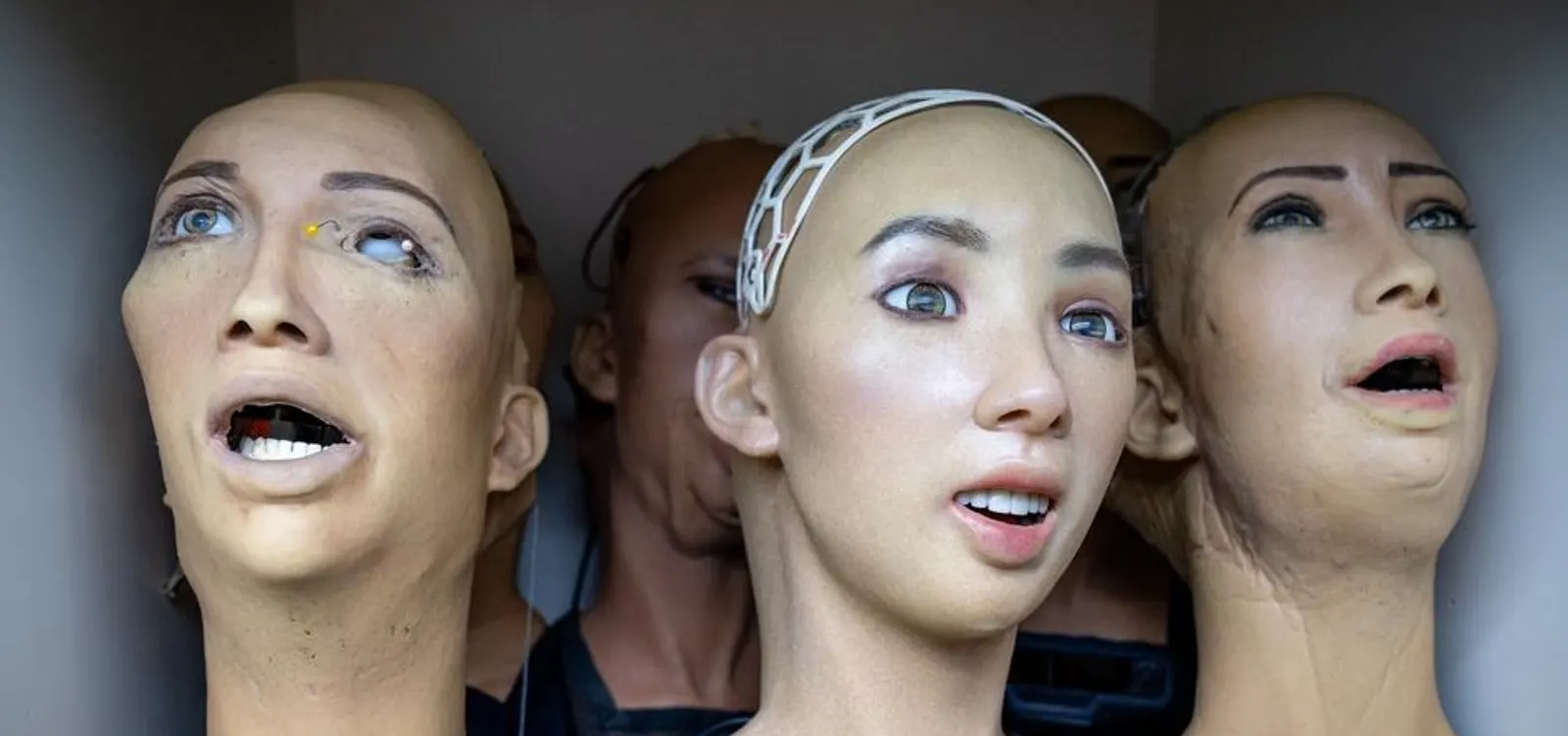
Five Nights at Freddy's started in 2014 as a low-budget indie survival game built by Scott Cawthon on a single core terror: what happens when children's entertainment animatronics turn predatory in the dark? That simple premise launched Freddy Fazbear, Bonnie, Chica, and Foxy from crude 3D models into a multi-billion-dollar multimedia empire spanning games, books, merchandise, and a Hollywood feature film distributed by Universal Pictures.
Understanding this cultural explosion requires looking past the jump scares. The franchise succeeded because its robotic antagonists shifted from standard video game monsters into uncanny symbols of corporate greed, parental neglect, and digital-age urban legends.
From Indie Experiment to Global Phenomenon
Scott Cawthon developed the original game after his previous family-friendly title, Chipper & Sons Lumber Co., drew heavy criticism. Players complained that the main animal characters looked like terrifying, stiffly moving animatronic robots rather than cute woodland creatures. Instead of abandoning the feedback, Cawthon weaponized it. He built a game around the unsettling valley between children's entertainment and mechanical decay.
Released on Steam in August 2014, the game bypassed traditional marketing. It spread organically through YouTube playthroughs and Reddit lore theories. Content creators reacted in real time to the sudden shrieks and blinking office lights, turning the security room monitor mechanic into a spectator sport.
As sequels arrived at a breakneck pace, the scope widened. What started as a single haunted pizzeria expanded into a sprawling fictional universe involving corporate conglomerates like Fazbear Entertainment, underground rental facilities, and remnant-fueled technology. The animatronics evolved from simple haunted suits into complex vessels carrying tragic human histories.
Anatomy of the Original Crew
The core quartet established the gameplay blueprint and psychological dread that defined early survival horror in the indie space. Each character occupies a specific mechanical and thematic niche.
Freddy Fazbear
As the marquee attraction, Freddy represents corrupted leadership and false cheer. Covered in brown fur with a black top hat and bowtie, he initially lurks in the shadows while his music box plays a warped rendition of "Toreador March."
- Mechanical Role: He acts as the final gatekeeper on Night 4 through 7. He observes the player patiently, exploiting power outages and blind spots.
- Thematic Weight: Freddy symbolizes the rotting husk of corporate nostalgia. He wears a smile that never changes while the building around him collapses into ruin.
Bonnie the Bunny
Bonnie is the aggressive vanguard of the original lineup, known for tearing down the left hallway security doors early in a playthrough.
- Mechanical Role: Programmed for rapid movement, Bonnie tests a player's reflex speed and camera management right from the first night.
- Thematic Weight: Bonnie embodies raw, unpredictable panic. His jagged teeth and purple-blue chassis create an aggressive silhouette that shatters any sense of safety.
Chica the Chicken
Chica guards the right side of the pizzeria, often lingering near the kitchen and holding a cupcake mascot that adds a layer of surreal domestic horror.
- Mechanical Role: Alongside Bonnie, she forms a dual-pronged flank that forces constant management of audio cues and side doors.
- Thematic Weight: Chica perverts the concept of hospitality. Her bib reads "LET'S EAT!!!" while she stalks players through grease-stained commercial kitchens.
Foxy the Pirate Fox
Housed in Pirate Cove, Foxy breaks the standard rules governing the other animatronics. If the player watches him too little, he bursts down the hallway in a full-sprint attack.
- Mechanical Role: He punishes inattention rather than proactive camera flipping, creating a unique panic state where ignoring the map is fatal.
- Thematic Weight: Foxy is the neglected attraction—broken, hidden away, and bursting out with violent kinetic energy when forgotten.
Technological Shifts in Animatronic Design
As the franchise grew beyond the 1993 restaurant setting of the first game, the character designs evolved to reflect advancing technology and darker narrative stakes.
In Five Nights at Freddy's 2, the introduction of the "Toy" animatronics shifted the aesthetic from grimy, water-damaged suits to sleek, plastic, facial-recognition-enabled entertainers. These shiny models carried a different kind of horror: sterile, uncanny-valley perfection hiding aggressive spyware and faulty programming.
By the time Sister Location and Security Breach arrived, the animatronics featured advanced hydraulic face plates, internal storage tanks, and AI personalities capable of independent manipulation. Characters like Circus Baby and Montgomery Gator moved with fluid, human-like agility. This progression mirrored real-world anxieties about automation, artificial intelligence, and robotics replacing human labor in public spaces.
Cultural Impact and Modern Legacy
The transition from indie curio to cultural juggernaut changed how horror media is consumed and discussed online.
- Community Lore Hunting: The franchise pioneered collaborative ARG (Alternate Reality Gaming) storytelling. Millions of fans combed through game source code, audio files, and hidden frame data to piece together the overarching narrative.
- Merchandise Dominance: Action figures, plushies, and novels turned the monstrous characters into mainstream collectibles embraced by younger demographics who might be too young to play the survival horror games directly.
- Cinematic Adaptation: The 2023 film adaptation produced by Blumhouse Productions proved that gaming franchises with strong visual iconography could translate successfully to the box office, grossing over $290 million globally.
Frequently Asked Questions
Why do the animatronics try to kill the player?
In lore canon, the animatronics are possessed by the restless spirits of children murdered by William Afton, the co-founder of Fazbear Entertainment. They attack night security guards because their damaged programming and blurred memories cause them to mistake adults—specifically employees—for their killer.
Are the animatronics based on real restaurants?
While not based on a single specific restaurant, Scott Cawthon drew heavy inspiration from real-world animatronic entertainment chains like Chuck E. Cheese and ShowBiz Pizza Place, which dominated family dining in the 1980s and 1990s.
Why is Foxy different from the other original animatronics?
Foxy was placed out of order before the events of the first game due to a malfunction or previous injury (often linked in fan theories to the "Bite of '87"). His unique running mechanic reflects his status as a damaged, abandoned machine kept behind a curtain.
How many main games are in the franchise?
The core series includes over nine main entries, supplemented by spin-off titles, virtual reality experiences, books, and tabletop games that continue to expand the lore.



