January in Florida offers some of the most comfortable weather of the entire year, combining mild daytime warmth with low humidity and minimal rainfall. If you're planning a trip and prefer metric units, understanding the local climate in Celsius is essential for packing correctly and setting realistic expectations.
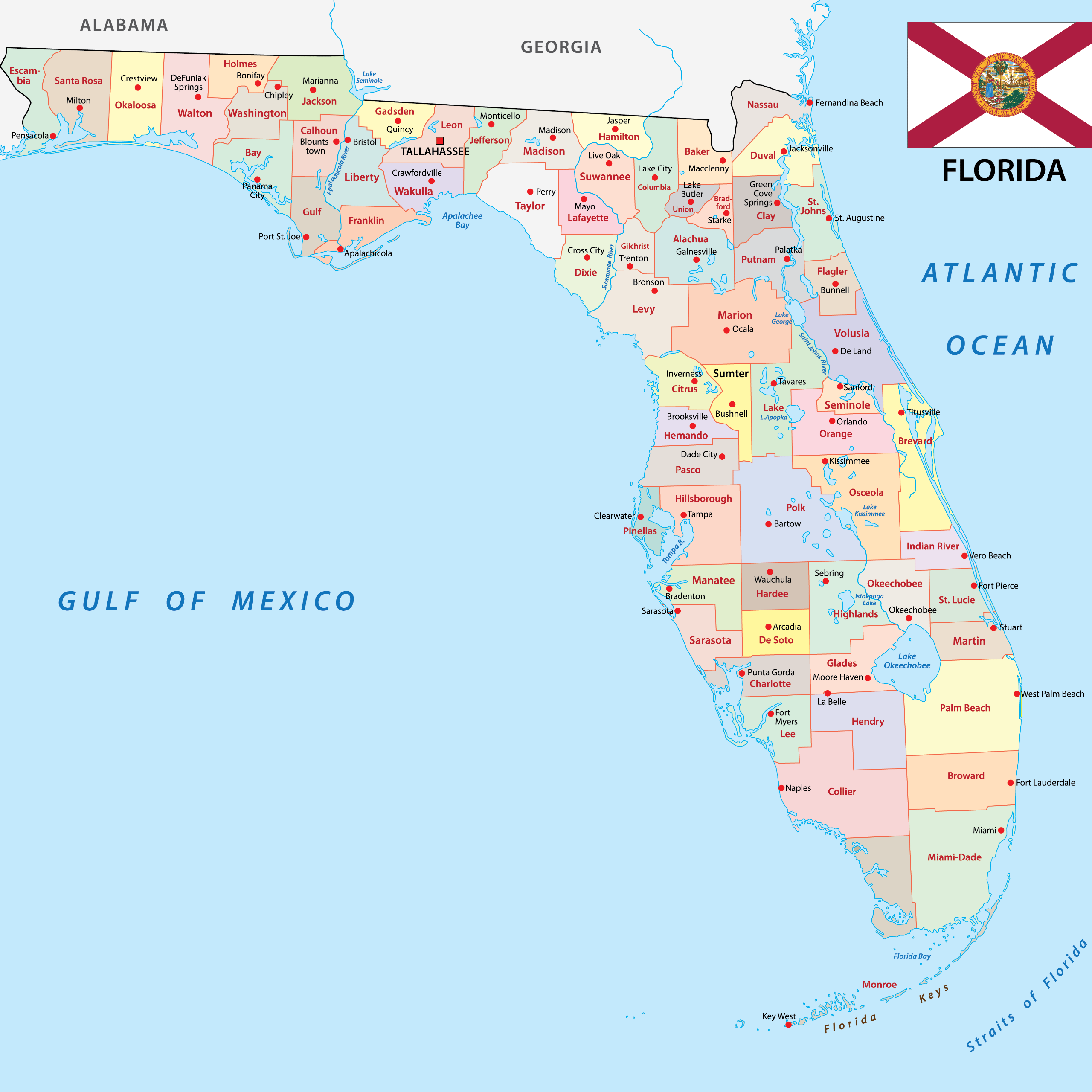
Across the state, average January temperatures range from 10°C to 24°C (50°F to 75°F), but regional geography heavily influences what you'll actually experience. South Florida stays balmy and tropical, while North Florida can see crisp, chilly mornings that demand a heavy coat.
Regional Temperature Breakdown in Celsius
Florida spans several hundred miles from north to south, creating distinct microclimates during the winter months. Knowing where you're heading makes all the difference when packing your bags.
North Florida (Jacksonville, Tallahassee, Pensacola)
North Florida experiences the coolest winter conditions in the state.
- Average Highs: 17°C to 19°C (62°F to 66°F)
- Average Lows: 5°C to 8°C (41°F to 46°F)
- What it feels like: Mornings are frequently crisp or outright cold, occasionally dropping near freezing (0°C) during northern cold fronts. You'll definitely want sweaters, long pants, and a proper windbreaker for early morning or evening outings.
Central Florida (Orlando, Tampa, Daytona Beach)
Central Florida hits a pleasant middle ground, making it ideal for theme parks and outdoor exploring.
- Average Highs: 21°C to 23°C (70°F to 73°F)
- Average Lows: 10°C to 13°C (50°F to 55°F)
- What it feels like: Afternoons are warm and sunny, perfect for walking around theme parks in a t-shirt. Once the sun goes down, temperatures drop quickly, and you'll want a light jacket or fleece by 7:00 PM.
South Florida (Miami, Fort Lauderdale, The Keys)
South Florida remains comfortably warm all winter long due to its tropical latitude and ocean warming effects.
- Average Highs: 24°C to 26°C (75°F to 79°F)
- Average Lows: 17°C to 20°C (63°F to 68°F)
- What it feels like: This is true beach and pool weather for many visitors, though ocean water temperatures hover around 22°C (72°F), which can feel refreshing rather than warm. Evenings are mild, requiring little more than light summer layers.
Rainfall, Humidity, and Sunshine
January sits firmly in Florida's dry season. Unlike the torrential downpours and oppressive humidity of July and August, January air is crisp and dry.
- Rainfall: Most areas receive less than 60 mm of rain for the entire month. You won't need to pack around daily afternoon thunderstorms.
- Humidity: Relative humidity is low, usually hovering around 60% to 65%, preventing that sticky, heavy feeling common in summer.
- Sunshine: The state averages over 200 to 250 hours of sunshine during January, giving you plenty of daylight hours for outdoor activities.
According to climate data from the National Centers for Environmental Information, winter cold snaps in Florida are typically short-lived, usually lasting only two to three days before temperatures rebound to seasonal norms.
Can You Swim in Florida in January?
The short answer is: it depends on where you are and how much cold water bothers you.
In South Florida and the Florida Keys, shallow coastal waters stay around 22°C to 23°C. Many tourists swim on sunny afternoons, especially in heated resort pools. However, in Central and North Florida, ocean swimming is generally reserved for the hardiest souls or those wearing wetsuits, as water temperatures drop significantly.
What to Pack for Florida in January
Packing for a winter trip to Florida requires a layered approach because temperatures fluctuate dramatically between the sunny afternoon peak and the breezy evening low.
- For daytime: T-shirts, light shorts, skirts, breathable trousers, sunglasses, and comfortable walking shoes.
- For nighttime: At least one warm fleece, a wind-resistant jacket or coat (especially if visiting North or Central Florida), and long trousers.
- For the beach: Swimwear (plus a rash guard if you're sensitive to cooler water), sunscreen, and a beach towel. The sun is still strong enough to cause sunburns even when the air feels cool.
Frequently Asked Questions
Does it ever snow in Florida in January?
Snow is exceptionally rare in Florida. While parts of North Florida have recorded trace amounts of flurries or sleet decades apart, measurable snowfall is virtually non-existent for the vast majority of the state.
Are theme parks crowded in January?
Yes and no. Early January sees heavy crowds lingering from the Christmas and New Year holidays. However, by the second week of the month through the end of January, crowd levels drop significantly, making it one of the best times of the year to visit attractions like Walt Disney World.
How do I convert Fahrenheit forecasts to Celsius while traveling?
A quick rule of thumb for standard Florida winter temperatures:
- 20°C equals 68°F (comfortable, light sweater weather)
- 25°C equals 77°F (warm, short-sleeve weather)
- 15°C equals 59°F (cool, jacket weather) You can also subtract 30 from the Fahrenheit temperature and divide by 2 for a close mental estimate.
Is the ocean warm enough for kids to swim in January?
Generally, no. Kids tend to get cold quickly in water temperatures below 23°C. Stick to heated hotel pools if you are traveling with young children during this month.


