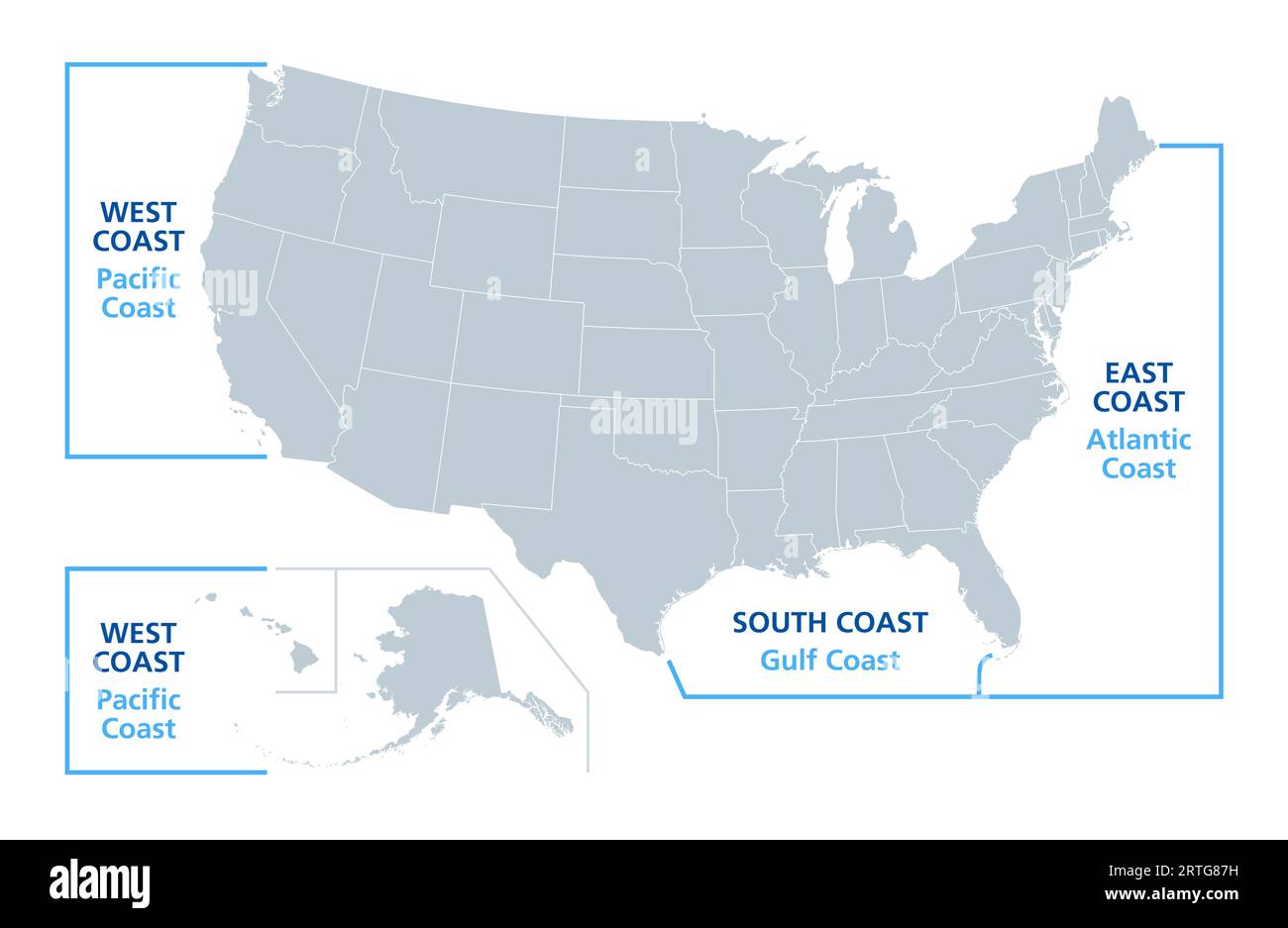
When you weigh Florida against Texas, you are looking at the two heavyweight champions of American domestic migration. Both states promise warm weather, no state personal income tax, and a booming economy that lures thousands of new residents every week. Yet, beneath those surface similarities lies a stark contrast in daily reality, financial mechanics, and cultural identity. Choosing between them isn't just about picking a spot on a map; it's about deciding which set of compromises fits your bank account and your lifestyle.
Texas leans on sheer scale, wide-open spaces, and a heavy emphasis on enterprise and career expansion. Florida trades geographic sprawl for a coastal orientation, a heavy tourism infrastructure, and an economy structured heavily around leisure, healthcare, and hospitality. Understanding how these structural differences play out in real numbers will help you cut through the marketing hype and make an informed choice.
Financial Realities: Taxes, Housing, and Everyday Expenses
Both states lure people in with the promise of zero state income tax, but that doesn't mean your wallet gets off easy. The tax burden simply shifts to other columns on your ledger, and how those shifts affect you depends entirely on whether you rent, buy, or own a business.
Texas relies heavily on property taxes to fund local government and schools. According to data from the Tax Foundation, Texas maintains some of the highest effective property tax rates in the country, often ranging between 1.6% and 2.2% depending on the county. If you buy a home in the Lone Star State, your annual property tax bill will be a significant line item that never goes away, even after your mortgage is paid off.
Florida keeps its property tax rates notably lower on average, cushioned further by the state's Save Our Homes assessment limitation. However, Florida homeowners face a different financial monster: homeowners and flood insurance. Due to hurricane exposure and litigation trends, insurance premiums in Florida rank among the highest nationwide. Many coastal and near-coastal residents pay thousands more annually for insurance than they would for comparable coverage in inland Texas.
Beyond housing maintenance, everyday consumer costs tilt in favor of Texas:
- Housing Purchase Prices: Outside of hyper-inflated markets like Austin, Texas generally delivers more square footage per dollar than equivalent metro areas in Florida.
- Groceries and Dining: Staple food items and restaurant meals run roughly 10% to 15% cheaper in Texas than in South or Central Florida.
- Vehicle Costs: Toll roads are widespread in both states, but Florida's vehicle registration fees and mandatory transit costs often track higher than Texas equivalents.
Job Markets and Economic Engines
Your professional sector often dictates your best destination. Texas features a diversified industrial base anchored by energy, technology, aerospace, logistics, and corporate headquarters. Metros like Dallas-Fort Worth, Houston, and Austin operate as massive commercial hubs where mid-career professionals across finance, engineering, and tech can find deep corporate depth.
Florida's economy runs on a different fuel. While tech sectors are growing in Miami and Orlando, the state's primary economic pillars remain tourism, hospitality, international trade, construction, and healthcare. Florida historically boasts a lower unemployment rate than Texas, meaning entry-level and service-oriented jobs are abundant. However, average salaries across corporate sectors can skew lower in Florida relative to Texas when matched against local housing costs.
Climate, Geography, and Daily Lifestyle
The daily rhythm of life in these states feels entirely distinct because of how their populations interact with the environment.
Texas is defined by vast horizons, sprawling master-planned suburbs, and a distinct regional pride. Outdoor life often centers around sprawling ranch properties, state parks, lakes, and high-school sports culture. Summers are intensely hot and dry in the interior, while the Gulf Coast stays humid. Yet, because of the state's massive geographic footprint, you can drive for hours and experience entirely different topographies, from piney woods to arid hill country.
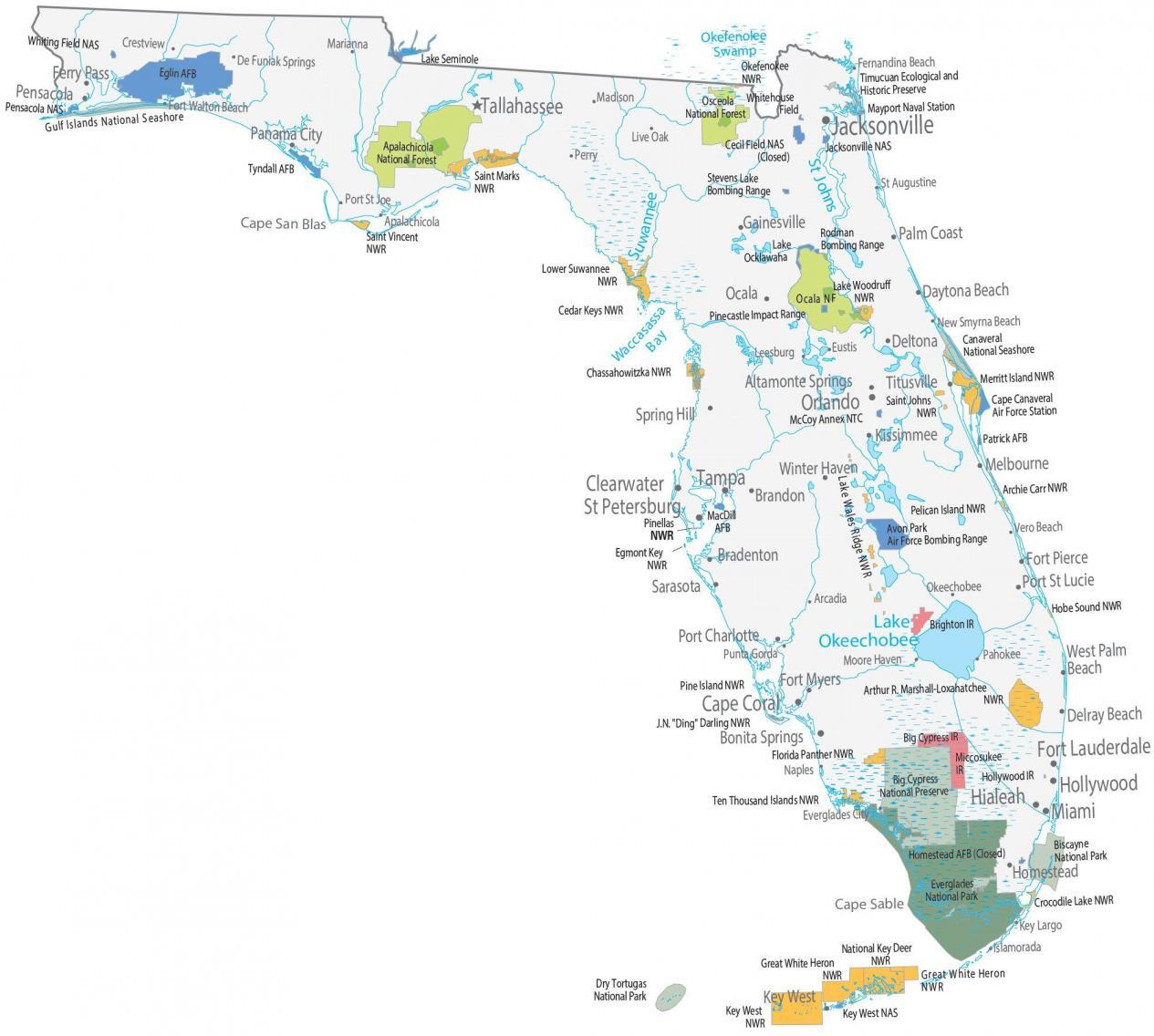
Florida is a narrow peninsula where you are rarely more than an hour or two from salt water. The lifestyle is intrinsically linked to the beach, boating, fishing, and warm ocean breezes. But that coastal proximity brings intense humidity, heavy summer afternoon downpours, and the seasonal threat of tropical storms and hurricanes. Population density is also much higher in Florida's urban corridors, meaning traffic congestion on coastal arteries like I-95 or I-4 is a constant daily friction point.
Common Relocation Mistakes to Avoid
Moving blindly based on social media hype or tax headlines is a recipe for buyer's remorse. Watch out for these three major pitfalls:
- Ignoring Total Housing Cost: Don't look at a mortgage quote alone. In Texas, calculate the heavy property tax burden. In Florida, get hard insurance quotes before putting in an offer. A lower purchase price can easily be neutralized by soaring monthly overhead.
- Comparing Statewide Averages to Extremes: Comparing downtown Miami or Austin to a rural Texas town gives you useless data. Match your specific target neighborhood, commute parameters, and family requirements before drawing conclusions.
- Underestimating the Cultural Shift: Texas has a distinct independent identity and local customs rooted in Western and Southern traditions. Florida is a melting pot of Midwestern transplants, international communities, and Caribbean influences, creating distinct regional pockets from the Panhandle to the Keys.
Frequently Asked Questions
Which state actually has a lower cost of living?
Texas generally holds the advantage for overall affordability. Everyday expenses like groceries, gas, and housing purchase prices are lower in Texas than in comparable Florida metros. Florida's heavier reliance on tourism and dense coastal development drives up consumer prices.
How do property taxes compare between the two?
Texas has significantly higher effective property tax rates, often averaging around double what you would pay in Florida. However, Florida homeowners face much steeper homeowners and flood insurance premiums, which narrows the gap in monthly housing overhead.
Is the job market better in Florida or Texas?
Texas offers more corporate depth, higher average salaries, and diversified industries like tech and energy. Florida features a lower unemployment rate and high job velocity in hospitality, healthcare, and retail, though average wages in service sectors can be lower.
What are the major weather risks to prepare for?
Texas deals with severe summer heat waves, flash flooding, and occasional winter freezes. Florida faces extreme summer humidity, severe thunderstorms, and a direct threat of seasonal hurricanes along its extensive coastline.