A devastating late-night collision on Florida's Turnpike near Orlando claimed six lives, leaving families grieving and local communities searching for answers. The crash, which involved an SUV and a roadside assistance vehicle, sparked intensive investigations by both the Florida Highway Patrol (FHP) and the National Transportation Safety Board (NTSB).
Understanding what happened on that stretch of highway requires looking beyond the initial shock. This breakdown examines the official findings, the ongoing safety investigations, and what drivers can do to protect themselves on high-speed Florida corridors.
Anatomy of the Florida Turnpike Collision
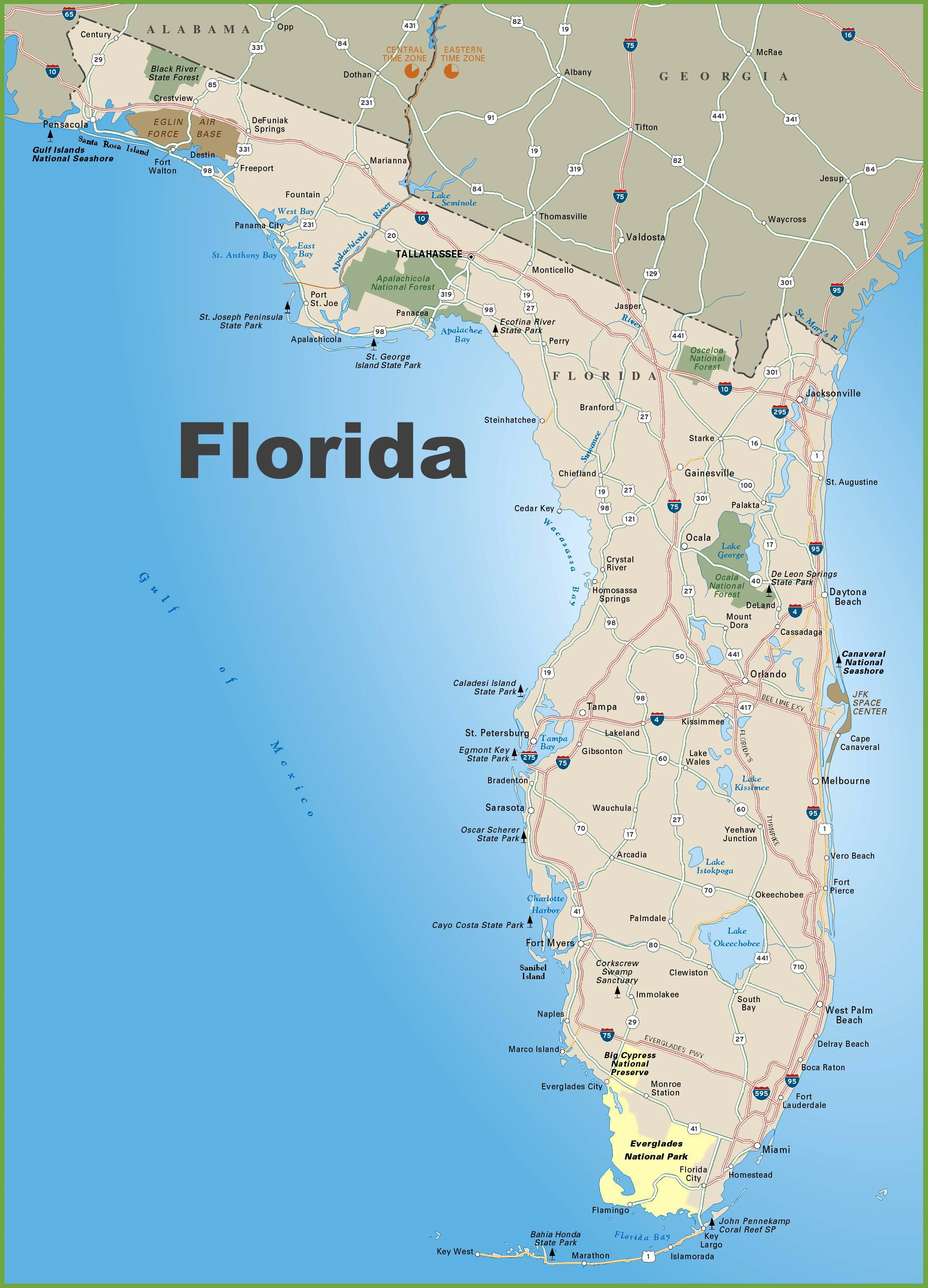
The fatal incident occurred northbound on Florida's Turnpike near mile marker 252. According to preliminary reports from the Florida Department of Highway Safety and Motor Vehicles, a Chevrolet Traverse collided with the rear of a stationary or slow-moving Road Ranger service truck.
The impact forced both vehicles off the roadway, and the SUV rapidly became engulfed in flames. Tragically, all six occupants inside the passenger vehicle became trapped and died at the scene. The group, which included three adult siblings and their companions, was traveling toward Orlando for a recreational trip when the tragedy struck.
Official Investigations and Accountability
Major multi-fatality collisions trigger multi-agency reviews to establish a clear timeline and determine liability.
- The Florida Highway Patrol Investigation: Troopers are analyzing skid marks, vehicle telemetry data, and witness statements to assess speed, lighting conditions, and driver reaction times.
- Involvement of Federal Safety Regulators: Due to the severity of the fire and the involvement of a utility transport vehicle, the National Transportation Safety Board stepped in to review commercial and passenger vehicle interaction protocols on high-speed toll roads.
- Vehicle Integrity and Fire Analysis: Investigators are reviewing how the fire originated post-impact, assessing structural deformation and fuel system vulnerabilities during high-speed rear-end collisions.
Key Risk Factors on Orlando-Area Highways
Central Florida corridors carry heavy commuter and tourist volumes, creating unique driving hazards. High speeds, sudden congestion, and driver distraction multiply the risk of catastrophic accidents.
Nighttime Visibility and Speed Differentials
Driving after dark on stretches of the Turnpike or Interstate 4 requires heightened vigilance. When moving vehicles approach slower or stopped assistance trucks, misjudging closing speeds can lead to disaster. Distracted driving or obscured windshields further reduce the time a driver has to react to hazards ahead.
Commercial and Service Vehicle Hazards
Road Rangers, construction crews, and stalled vehicles frequently occupy shoulders or active lanes. State laws require drivers to move over or slow down, yet compliance remains inconsistent. Enhanced public awareness campaigns from agencies like the Federal Highway Administration emphasize the life-saving importance of giving clearance to roadside workers.
Practical Steps to Enhance Highway Safety
While large-scale infrastructure changes take years to implement, individual driving habits directly influence road safety.
- Maintain Safe Following Distances: Keep at least three to four seconds of space between your vehicle and the car ahead, increasing that buffer during rain or heavy traffic.
- Scan Far Ahead: Look past the immediate vehicle in front of you to spot brake lights, hazard flashers, or stopped emergency units early.
- Eliminate Inside Distractions: Put phones away and set navigation before putting the car in drive to keep 100 percent of your focus on the road.
- Adhere Strictly to Move-Over Laws: Whenever you see flashing amber or red lights on the shoulder, shift lanes safely or drop your speed significantly.
Frequently Asked Questions
What caused the fatal crash near Orlando?
The crash happened when an SUV collided with the rear of a roadside assistance truck on Florida's Turnpike, causing the vehicle to leave the road and catch fire. Official findings from the FHP investigation remain ongoing.
Which agencies are investigating the incident?
The Florida Highway Patrol leads the primary crash investigation, while the National Transportation Safety Board is examining broader safety factors related to the collision.
How many people were killed in the accident?
Six people lost their lives in the vehicle, including three adult siblings and their friends who were traveling toward the Orlando area.
What should drivers do when approaching roadside assistance vehicles?
Drivers must move over a lane if it is safe to do so. If changing lanes is impossible, drivers are legally required to slow down to a speed that is 20 miles per hour below the posted speed limit.



