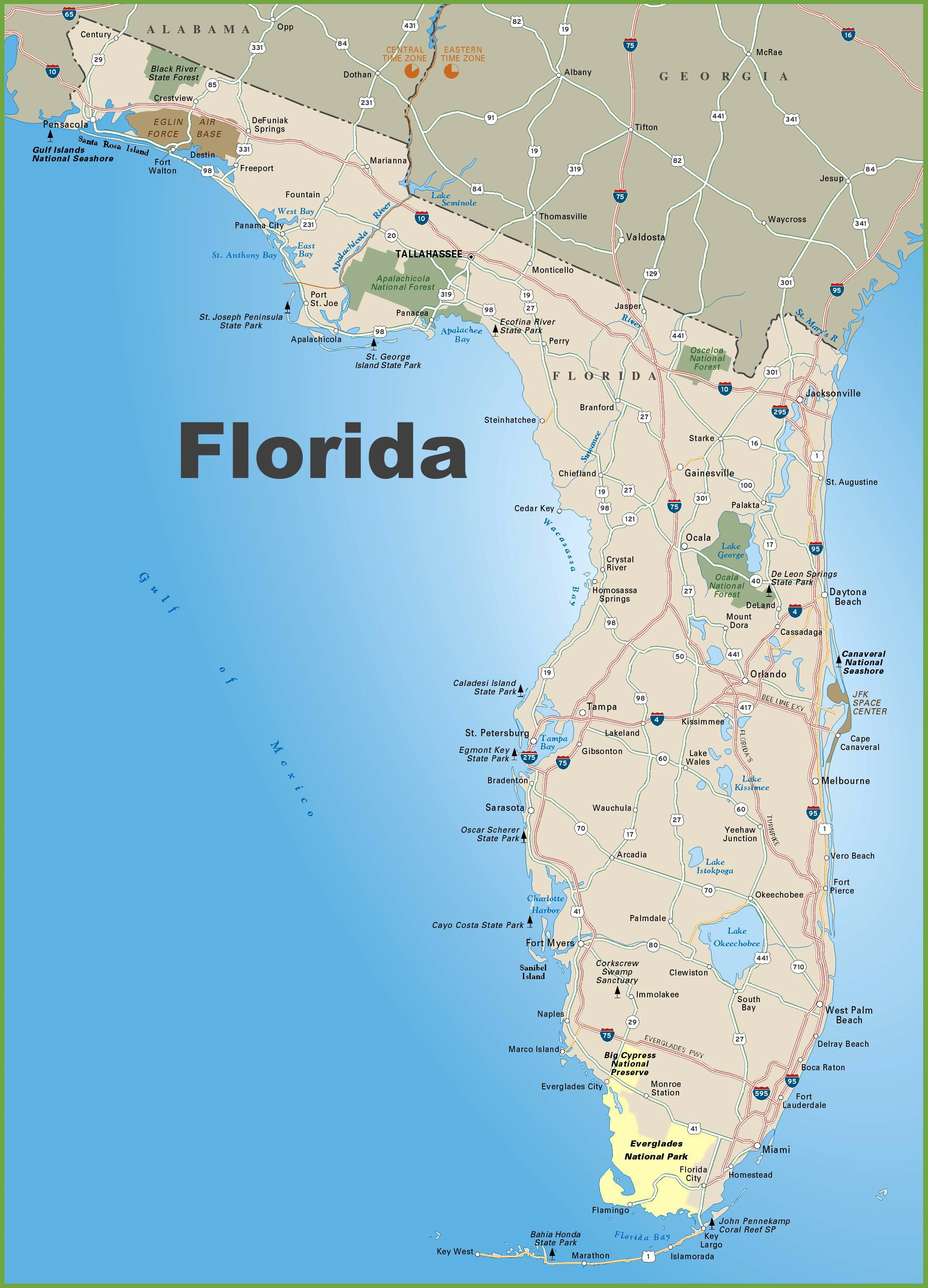
Florida operates across two distinct time zones, creating a unique operational landscape for businesses, logistics networks, and daily commuters. While the vast majority of the state runs on Eastern Time (ET), the western portion of the Florida Panhandle observes Central Time (CT). This geographic division influences everything from transport safety standards to corporate scheduling and retail hours. Managing operations across this internal boundary requires precision, as a simple sixty-minute shift alters logistics calculations, shift changes, and emergency response coordination.
Understanding how this boundary functions prevents costly operational friction. Local enterprises, trucking fleets, and service providers must account for the boundary line anchored roughly at the Apalachicola River. Recognizing the structural impact of this division helps business owners protect their bottom line, maintain regulatory compliance, and optimize workforce safety.
The Geography of Florida's Time Divide
Florida is geographically anchored in the Eastern Time Zone for major commercial hubs like Miami, Orlando, Tampa, and Jacksonville. However, nine counties in the western Panhandle—including Escambia, Santa Rosa, Okaloosa, Walton, Holmes, Washington, Bay, Jackson, and Calhoun—fall within the Central Time Zone. Gulf County features an internal split, with its northern area on Central Time and its southern coast on Eastern Time.
This split isn't just a line on a map; it represents a functional border within a single state jurisdiction. Commuters crossing the Apalachicola River transition instantly between time zones, changing the local clock by an hour. For regional service providers, this means dispatching field technicians requires careful schedule padding to ensure appointments aren't missed. Further information regarding the matter are covered by Associated Press.
- Eastern Time Zone Hubs: Miami, Orlando, Tampa, Jacksonville, Tallahassee.
- Central Time Zone Hubs: Pensacola, Panama City, Fort Walton Beach.
- Split Jurisdiction: Gulf County (Port St. Joe vs. Wewahitchka).
Business Operations Across the Internal Border
Operating a enterprise with branches on both sides of the Florida time divide introduces administrative hurdles. Standardizing payroll, shift handoffs, and customer service hours demands robust internal communication protocols. When corporate headquarters in Miami closes at 5:00 PM EST, regional offices in Pensacola still have an hour of standard business operations remaining.
Logistics and supply chain management face the most acute friction. Delivery trucks hauling freight from distribution centers in Jacksonville to clients in Pensacola must factor the time change into their Hours of Service (HOS) logs and delivery windows. Failing to account for this extra hour can lead to compliance violations under federal transit guidelines or missed delivery SLAs.
Scheduling and Communication Strategies
To keep multi-region teams aligned, successful companies implement clear time zone tagging for all internal meetings. Instead of scheduling a call for "3:00 PM," dispatchers and managers specify "3:00 PM EST / 2:00 PM CST." This eliminates ambiguity for remote staff or traveling field crews.
- Standardize Time References: Always list both zones on company-wide calendars and digital scheduling tools.
- Audit Shift Handoffs: Ensure plant managers and dispatchers adjust digital logs to reflect local facility times accurately.
- Stagger Customer Support: Deploy support representatives across both zones to extend active service hours without incurring overnight labor costs.
Safety, Compliance, and Transport Logistics
Time zone boundaries impact public safety and transport logistics. Emergency management agencies, law enforcement dispatchers, and healthcare networks operating near the Apalachicola River must maintain synchronized protocols to prevent dispatch errors during mutual-aid responses.
Commercial transport operators are subject to strict federal regulations regarding driving limits. Drivers crossing from the Eastern zone into the Central zone gain an hour on paper, which alters rest break calculations and daily driving limits if not monitored carefully. Fleet managers rely on telematics software integrated with real-time zone tracking to keep drivers compliant with safety mandates.
Risk Management for Mobile Workforces
Field service companies operating across the Panhandle face heightened liability if technicians rush to beat the clock when crossing zones. Establishing clear travel-time buffers between job sites located in different zones prevents speeding and reduces accident risks.
- Implement GPS tracking that automatically updates device local times.
- Set internal policies prohibiting tight scheduling across the border without a mandatory thirty-minute buffer.
- Train dispatch staff on geographic boundary markers to prevent routing errors.
Legislative Debates and Future Outlook
The inconvenience of a split state has sparked recurring legislative debates. Lawmakers have periodically introduced proposals to unify Florida under a single time zone, or to shift the entire state onto year-round Daylight Saving Time following the passage of the federal Sunshine Protection Act framework discussions.
Despite these legislative pushes, western Panhandle residents frequently push back against shifting to Eastern Time, preferring alignment with neighboring Alabama and commercial partners in the Central time zone. Consequently, businesses must continue to operate within this dual-zone reality for the foreseeable future.
Frequently Asked Questions
Which Florida counties are in the Central Time Zone?
Nine counties in the western Panhandle—Escambia, Santa Rosa, Okaloosa, Walton, Holmes, Washington, Bay, Jackson, and Calhoun—along with parts of Gulf County, observe Central Time.
How does the time zone split affect daily commuting?
Commuters crossing the boundary river experience a one-hour time shift instantly. Workers living in one zone and employed in another must adjust their clocks and departure times to avoid arriving late for shifts or school.
Do all parts of Florida observe Daylight Saving Time?
Yes, the entire state of Florida observes Daylight Saving Time, shifting clocks forward in March and back in November in unison, which preserves the one-hour gap between the state's two regions.
What are the main challenges for logistics companies operating in Florida?
Trucking and delivery fleets face potential scheduling errors, compliance tracking issues with federal Hours of Service logs, and miscalculated delivery windows when moving goods across the internal boundary.



