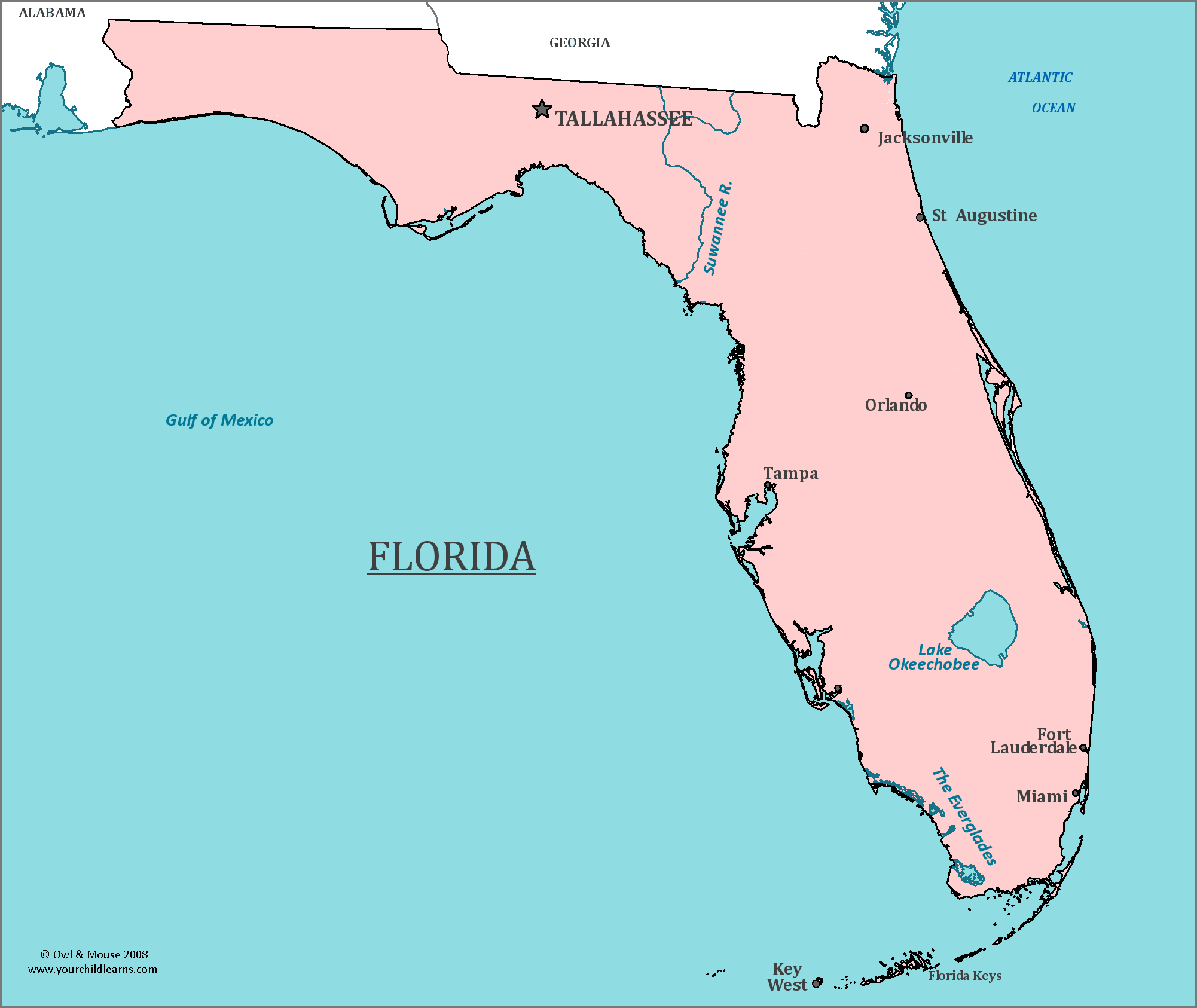
Most of Florida sits firmly in the Eastern Time Zone, observing Eastern Standard Time during winter months. However, the state doesn't rely on a single uniform clock. If you cross the Apalachicola River into the western portion of the Florida Panhandle, you enter the Central Time Zone. This split catches many travelers off guard, especially when driving along the northern gulf coast.
Beyond standard clock configurations, the Sunshine State holds a complex mix of geographic, historical, and environmental traits that separate tourist myths from reality. Whether you're planning a cross-state road trip or checking local time in Florida, understanding these regional quirks helps you navigate the peninsula without missing a beat.
Florida Time Zone Breakdown
The state splits its timekeeping between two distinct zones, creating an internal boundary line that separates major metropolitan hubs from western border counties.
- Eastern Time Zone: Encompasses roughly 85 percent of the state, including Miami, Orlando, Tampa, Jacksonville, and Tallahassee.
- Central Time Zone: Covers the western portion of the Florida Panhandle, including Pensacola, Panama City, and parts of Gulf County.
This division means that traveling west from Tallahassee to Pensacola requires you to roll your watch back by one hour. Local businesses, school districts, and commuters near the border manage these shifts daily. If you want more about the context here, Travel + Leisure provides an informative summary.
Daylight Saving Realities
Like most of the United States, Florida observes Daylight Saving Time. Clocks spring forward one hour on the second Sunday in March and fall back on the first Sunday in November.
State lawmakers have previously pushed to keep the region on year-round daylight saving time via legislative measures like the Sunshine Protection Act. Because federal approval from the U.S. Congress is mandatory for permanent shifts, standard biannual time changes remain active. You can track official federal time zone guidelines to see how national transportation schedules adapt to these biannual shifts.
Geography and Boundaries
The Sunshine State features the longest coastline in the contiguous United States, bordered by both the Atlantic Ocean and the Gulf of Mexico. This unique peninsula layout creates distinct microclimates and environmental ecosystems.
- The Everglades: A massive tropical wetland spanning 1.5 million acres, serving as a slow-moving river of grass unique to the southern tip of the continent.
- The Keys: A coral cay archipelago extending over 120 miles off the southern tip, connected by the Overseas Highway.
- Panhandle Elevation: While most of the state sits at low sea levels, Britton Hill serves as the highest geographic point at roughly 345 feet above sea level.
Common Mistakes to Avoid
Travelers frequently make specific scheduling errors when moving across Florida regions.
- Assuming uniform time: Visitors often miss morning flights or hotel check-outs by forgetting that the western Panhandle runs one hour behind Miami and Orlando.
- Ignoring seasonal shifts: Failing to adjust analog clocks during the transition dates in March and November leads to missed reservations.
- Underestimating driving distances: Driving from Pensacola to Key West takes over ten hours, crossing multiple regional cultures, highway tolls, and the internal time boundary.
Frequently Asked Questions
Does all of Florida observe the same time?
No, the state is split between Eastern and Central time zones, with the boundary located in the Panhandle.
Which county in Florida has two time zones?
Gulf County is split internally, with northern sections observing Central time and southern coastal areas observing Eastern time.
Does Florida use Daylight Saving Time?
Yes, clocks move forward in March and back in November, matching standard national schedules.
What is the highest point in Florida?
Britton Hill is the highest natural elevation in the state, standing at 345 feet.


