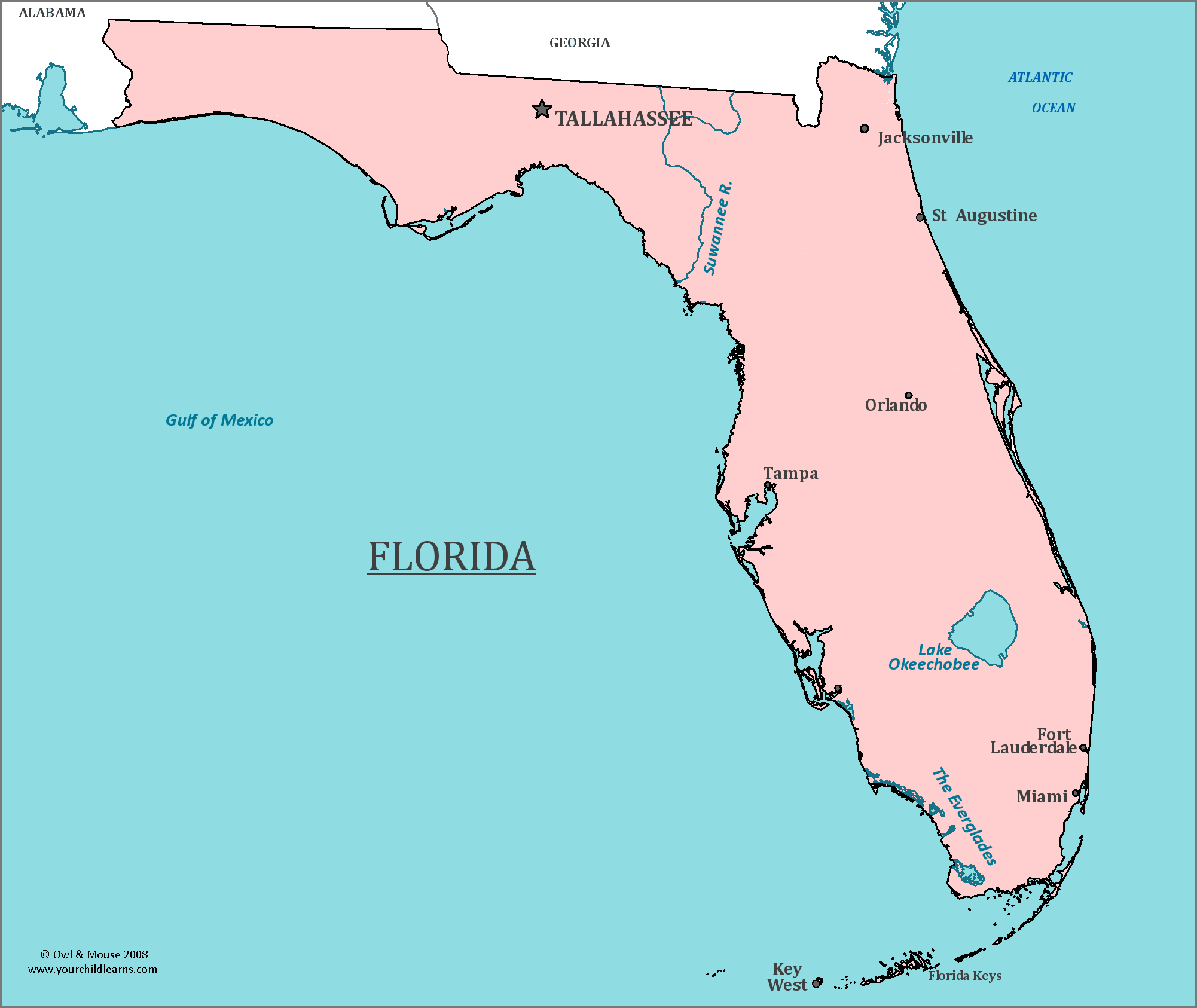
Florida operates across two distinct time zones while navigating the twice-yearly ritual of changing clocks. The majority of the state, including Miami, Orlando, Jacksonville, and Tallahassee, sits in the Eastern Time Zone. Meanwhile, the Florida Panhandle west of the Apalachicola River observes Central Time, creating a unique logistical environment for local commerce, transportation networks, and cross-state coordination.
Managing time changes requires careful synchronization for businesses operating statewide or dealing with national markets. While the federal framework mandates shifting clocks forward in March and back in November, Florida's political and economic sectors continually push to alter this status quo. Understanding how these time structures function helps companies avoid scheduling pitfalls and operational friction.
Florida's Dual Time Zone Setup
Divided across two zones, Florida manages internal scheduling challenges that few other states face.
- Eastern Time Zone: Encompasses roughly 75 percent of the state's geographic area and the vast majority of its population centers. Major economic hubs like Tampa, Fort Lauderdale, and the state capital run on Eastern Standard Time (EST) and Eastern Daylight Time (EDT).
- Central Time Zone: Covers the western portion of the Florida Panhandle, including Pensacola, Panama City, and parts of Bay and Jackson counties. These areas operate on Central Standard Time (CST) and Central Daylight Time (CDT), aligning directly with neighboring Alabama.
This split means that traveling from Pensacola to Tallahassee requires moving your watch forward by one hour, an everyday reality for regional logistics, commute patterns, and localized supply chains.
The Economic Footprint of Daylight Saving Time
Twice a year, businesses must adapt their internal systems, automated software, and employee schedules to the transition. Springing forward in March steals an hour of sleep and forces a sudden adjustment in workforce productivity, whereas falling back in November restores that hour while plunging evening commutes into darkness.
Tourism and outdoor recreation sectors benefit immensely from the extended evening daylight experienced during summer months. Golf courses, theme parks, charter fishing operators, and coastal restaurants report higher customer turnout when daylight stretches past 8:00 p.m. Conversely, industries tied to national financial markets or logistics face minor synchronization hurdles during the transition weekends, as computer servers, international freight schedules, and global supply chains adjust to the shift.
Legislative Push: The Sunshine Protection Act
Florida has been at the forefront of a national movement to abolish the biannual time change. In 2018, the state legislature overwhelmingly passed the Sunshine Protection Act at the state level, aiming to keep Florida on year-round Daylight Saving Time.
The rationale presented by lawmakers centered on boosting evening commerce, reducing seasonal depression linked to early winter sunsets, and increasing energy savings. However, state-level legislation cannot take effect independently. Under the federal Uniform Time Act of 1966, congressional approval is required for a state to remain on permanent Daylight Saving Time.
While federal bills such as the Senate-passed version of the federal Sunshine Protection Act surface periodically, they stall in the House of Representatives due to complex debates regarding morning darkness for school children during winter months and potential misalignment with financial exchanges in New York. Consequently, Florida remains bound to the traditional twice-yearly clock adjustments.
Practical Strategies for Businesses Managing the Time Shift
Companies operating in Florida must implement proactive measures to prevent missed meetings, payroll discrepancies, and customer service gaps during transition weeks.
- Audit Automated Systems: Verify that scheduling software, cloud servers, and point-of-sale systems handle the time change automatically rather than relying on manual adjustments.
- Synchronize Multi-TimeZone Communications: Businesses with offices in both the Eastern and Central zones of Florida should use coordinated UTC timestamps for internal project management to prevent confusion.
- Plan Staffing Schedules Early: Notify employees well in advance of shift changes during the "spring forward" weekend to mitigate tardiness and fatigue-related productivity drops.
Frequently Asked Questions
Does all of Florida observe Daylight Saving Time?
Yes, every county in Florida observes Daylight Saving Time, matching the federal schedule used by the majority of the United States. Unlike Arizona or Hawaii, Florida does not have an exemption from the Uniform Time Act.
Which Florida cities are in the Central Time Zone?
Major Panhandle cities including Pensacola, Panama City, Destin, and Fort Walton Beach operate on Central Time, one hour behind Miami and Orlando.
Why hasn't Florida's permanent Daylight Saving Time law taken effect?
While Florida lawmakers approved the change in 2018, federal law requires an act of Congress to permit any state to stay on permanent Daylight Saving Time. Federal legislation has not yet passed.
How do time zone differences impact remote teams within Florida?
Remote workers in the Panhandle are one hour behind their colleagues in Miami. Teams must account for this offset when setting live customer support hours, internal deadlines, and video conferences.



