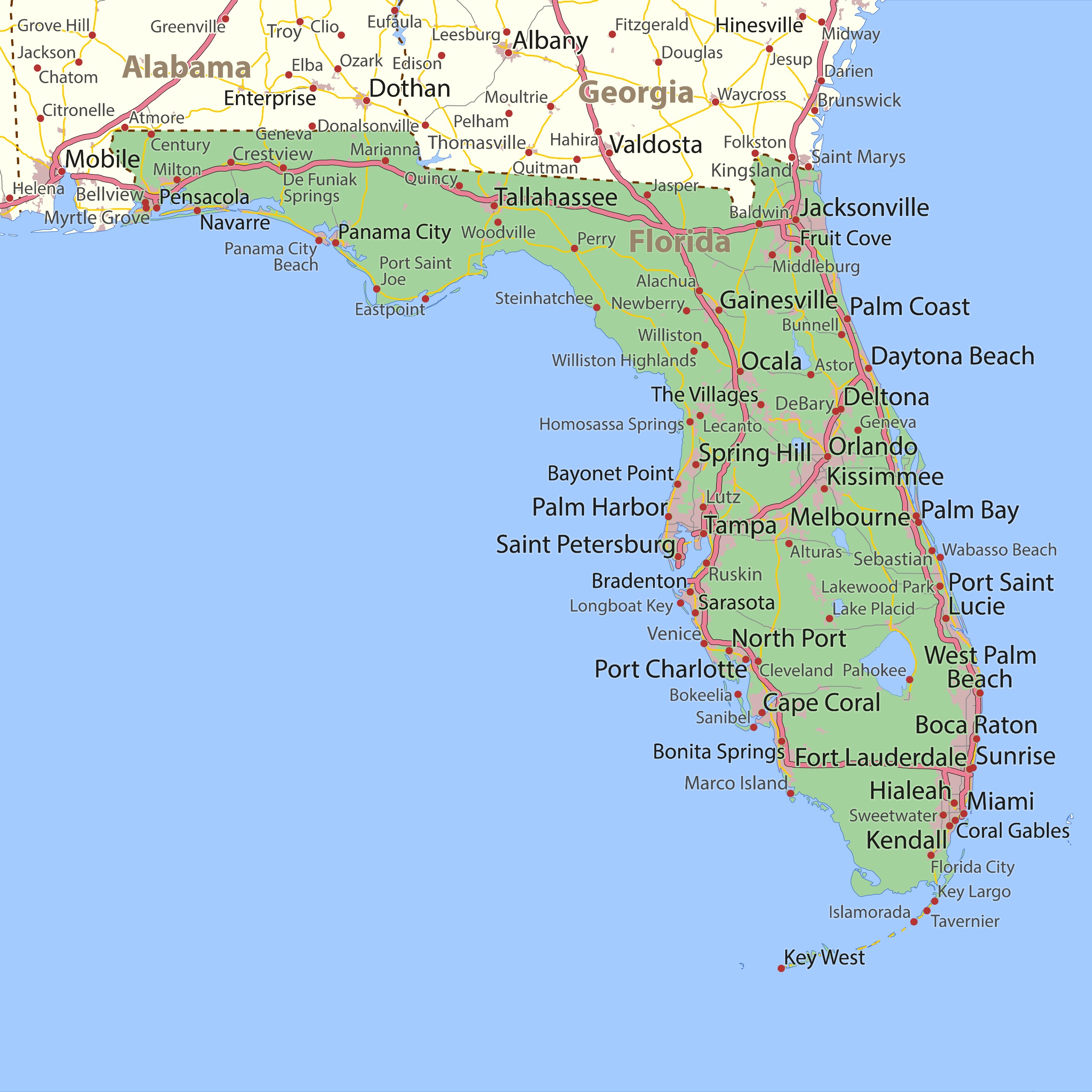
Florida time zone confusion happens more often than visitors expect. Many travelers assume the entire Sunshine State shares a single clock, but Florida is actually split between two different zones. Most of the state operates on Eastern Time, while the western portion of the Florida Panhandle runs on Central Time. This geographic division catches drivers, commuters, and tourists off guard every single day.
Understanding this split prevents missed flights, late dinner reservations, and scheduling errors. The boundary line cuts right through northwest Florida, creating unique quirks for local residents who cross time zones just to go to grocery stores or school. Let's look at how the state is divided, where the boundary line actually sits, and why this system causes so much friction.
The Two Time Zones of Florida
The vast majority of Florida lives in the Eastern Time Zone, which includes major hubs like Miami, Orlando, Tampa, Jacksonville, and Tallahassee. When it is noon in Miami, the time matches New York City and Atlanta.
However, the western section of the Florida Panhandle belongs to the Central Time Zone. This means cities like Pensacola, Panama City, and Destin sit one hour behind the rest of the state. If you drive west from Tallahassee toward Pensacola on Interstate 10, your phone will automatically fall back an hour as you cross the invisible boundary. Both regions observe Daylight Saving Time, moving clocks forward in March and back in November, so the one-hour gap remains constant year-round.
Where the Boundary Line Actually Runs
The official dividing line follows a jagged path through the Panhandle. Nine of Florida's 67 counties are entirely within the Central Time Zone, and one county is split right down the middle.
The primary geographic marker for the boundary is the Apalachicola River and its surrounding waterways. Counties fully anchored in Central Time include:
- Escambia County
- Santa Rosa County
- Okaloosa County
- Walton County
- Bay County
- Jackson County
- Calhoun County
Gulf County presents the most unusual case in the state. It is the only county in Florida split into two time zones. The northern portion of Gulf County operates on Central Time, while the southern coastal stretch—including Port St. Joe—observes Eastern Time. Residents can cross from one zone to the other within a ten-minute drive, making local business hours and school schedules a logistical puzzle.
Why Florida Is Split Between Two Zones
The dual-zone setup is rooted in commerce, geography, and proximity. Historically, the western Panhandle shares deeper economic and cultural ties with Alabama and the broader Gulf Coast region, which heavily utilizes Central Time. Railroad lines and shipping routes established these boundaries decades ago to keep local transit aligned with neighboring trade hubs rather than distant state capitals like Tallahassee.
Efforts to unify the state under a single time zone pop up in the state legislature periodically, but local resistance usually stalls them. Residents in the western Panhandle prefer staying on Central Time because it aligns their daily routines with nearby commercial centers like Mobile, Alabama. Meanwhile, legislative pushes like the federal Sunshine Protection Act focus more on year-round daylight saving time rather than altering regional borders.
Common Mistakes and How to Avoid Them
Travelers planning a road trip along the Gulf Coast frequently underestimate how quickly time shifts in the Panhandle. Here are the most common pitfalls:
- Assuming hotel check-in times: Driving west from a theme park in Orlando to a beach rental in Pensacola means you gain an hour, but driving east means you lose one. Forgetting this can make you late for strict check-in windows.
- Missing appointments or excursions: Booking a deep-sea fishing charter or a boat tour across county lines requires careful verification of which time zone the vendor uses. Local businesses near the Apalachicola River deal with this confusion constantly.
- Relying solely on car clocks: Manual car clocks won't update automatically when crossing rural county lines. Always trust a connected smartphone to handle the transition, but double-check meeting times if you commute for work.
Frequently Asked Questions
Does all of Florida observe Daylight Saving Time?
Yes, every county in Florida springs forward in March and falls back in November. There are no exemptions within the state borders, unlike states like Arizona or Hawaii.
Which major Florida cities are in the Central Time Zone?
Pensacola, Panama City, Fort Walton Beach, and Destin are the largest urban and tourist centers located in the Central Time Zone.
How do local schools handle the time zone split?
School districts operate entirely on the local time zone of their respective counties. Students living near county boundaries often adjust to different schedules depending on where their specific schools sit.
Has Florida ever tried to change its time zones?
Lawmakers have proposed various shifts over the decades, including moving the entire state to Eastern Time or adopting permanent daylight saving time. However, changing official time zone boundaries requires approval from the U.S. Department of Transportation, which maintains strict guidelines for interstate commerce consistency.


