Florida occupies a unique position in America’s ongoing debate over timekeeping. While the state government officially voted to lock in year-round sunshine through the Sunshine Protection Act, the clock changes twice a year just like it does almost everywhere else. Navigating Florida time zone dynamics requires understanding both local legislative ambitions and the complex federal stalemate that prevents them from taking effect.
Beyond seasonal clock shifts, the state itself is physically divided. Most residents live on Eastern Time, but a significant portion of the western Panhandle operates on Central Time, with one county even splitting down the middle. This structural division complicates daily commerce, local government synchronization, and travel across state and regional borders.
The Reality of Florida's Split Time Zones
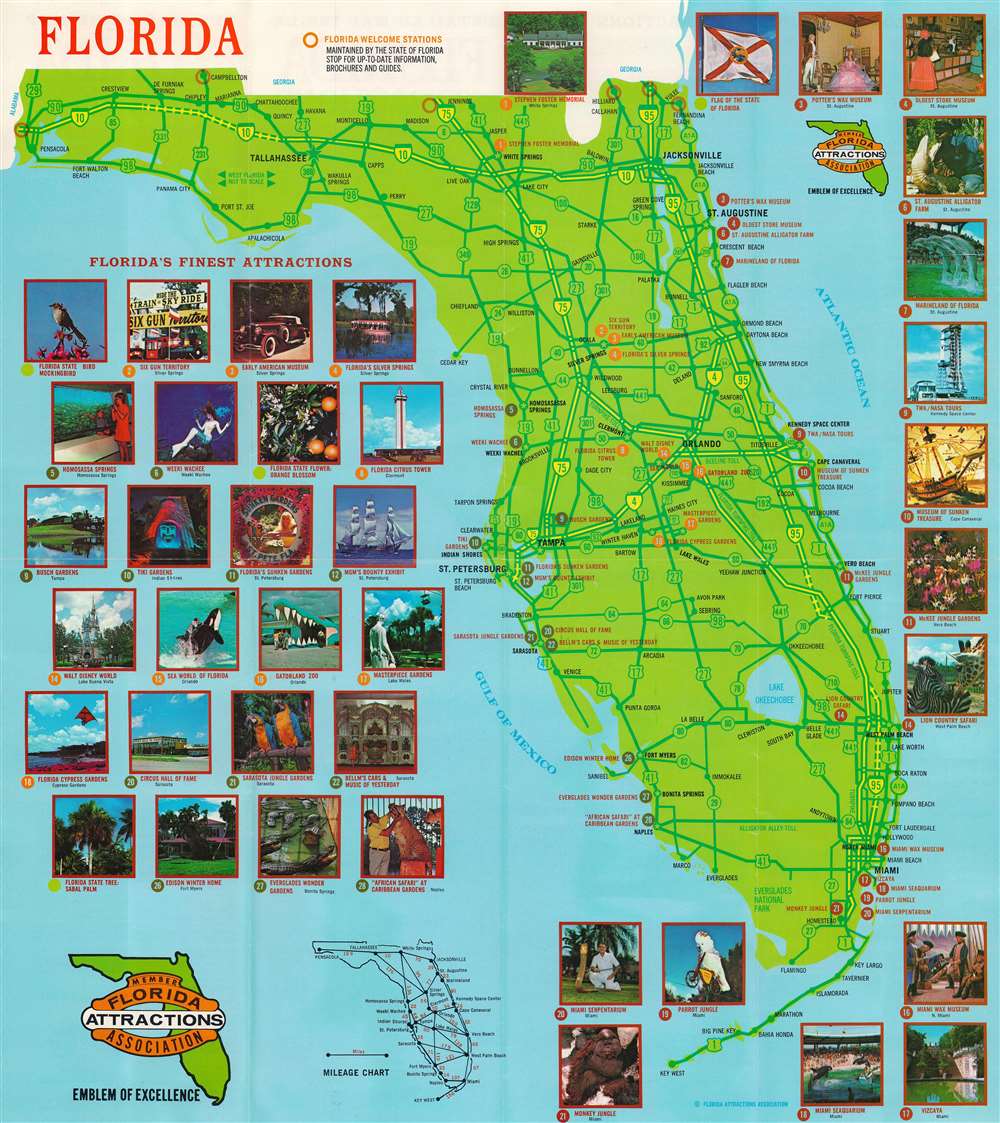
Florida isn't uniform when it comes to standard hours. While 58 of its 67 counties sit firmly in the Eastern Time Zone, nine western counties in the Panhandle operate on Central Time.
The boundary cuts across the state line from Alabama and Georgia, tracing natural and historical railway routes down toward the coast. Counties such as Escambia, Santa Rosa, Okaloosa, Walton, Holmes, Washington, Bay, Jackson, and Calhoun rely entirely on Central Time. Meanwhile, Gulf County holds the distinction of being internally split, with its northern half following Central Time and its southern coastal communities—including Port St. Joe—observing Eastern Time.
This split creates subtle friction points for local populations. Commuters crossing the Apalachicola River or school districts coordinating across municipal borders must constantly account for a sixty-minute difference within the same county lines. Local businesses near the border maintain dual schedules to accommodate clients and suppliers operating just a few miles away.
Legislative Push: The Sunshine Protection Act
In 2018, the Florida legislature overwhelmingly passed the state-level Sunshine Protection Act, signaling a clear desire to abandon the biannual ritual of shifting clocks. The local statute dictates that if federal law permits, Florida will remain on daylight saving time permanently.
However, states lack the independent legal authority to alter standard time zones or enact permanent daylight saving time without congressional approval. Under the federal Uniform Time Act of 1966, states can opt out of daylight saving time entirely—as Arizona and Hawaii do—but they cannot choose to stay on daylight saving time year-round.
Federal lawmakers have repeatedly introduced a federal version of the Sunshine Protection Act in the United States Congress to grant this permission nationally. Despite periodic momentum and committee votes, the bill frequently stalls in the Senate. Because federal legislative priorities shift and debate continues over whether permanent daylight saving or permanent standard time is healthier for public circadian rhythms, Florida's state law remains dormant.
Practical Impacts of Seasonal Time Shifts
Until federal authorization passes, Florida residents and businesses must continue falling back in November and springing forward in March. These biannual transitions disrupt sleep patterns, spike short-term traffic accidents, and cause logistical headaches for airlines, railroads, and financial markets that rely on uniform national synchronization.
For tourism—Florida’s economic engine—the twice-yearly shift creates friction. Evening outdoor recreation and dining drive massive revenue during the long daylight months, making the return to early winter darkness an unwelcome transition for hospitality operators. Yet, commuter safety advocates point out that permanent daylight saving forces children to walk to school in pitch-dark morning hours during winter, fueling the counter-argument that permanent standard time might be a safer choice.
Frequently Asked Questions
Does all of Florida observe Daylight Saving Time?
Yes. Every county in Florida, regardless of whether it uses Eastern or Central time, observes daylight saving time by shifting clocks forward in the spring and back in the autumn.
What is the Sunshine Protection Act?
It is a legislative measure passed by Florida in 2018—and introduced periodically in the U.S. Congress—designed to keep clocks on daylight saving time year-round. It cannot take effect in Florida until Congress amends federal law.
Which Florida county is split into two time zones?
Gulf County is the only county in Florida split across two time zones. Its northern area operates on Central Time, while its southern portion and Gulf coast communities use Eastern Time.
Can an individual state decide to stay on Daylight Saving Time independently?
No. Current federal law permits states to opt out of daylight saving time and remain on standard time year-round, but federal authorization is required for a state to remain on daylight saving time permanently. You can track current federal regulatory updates via Congress.gov.



