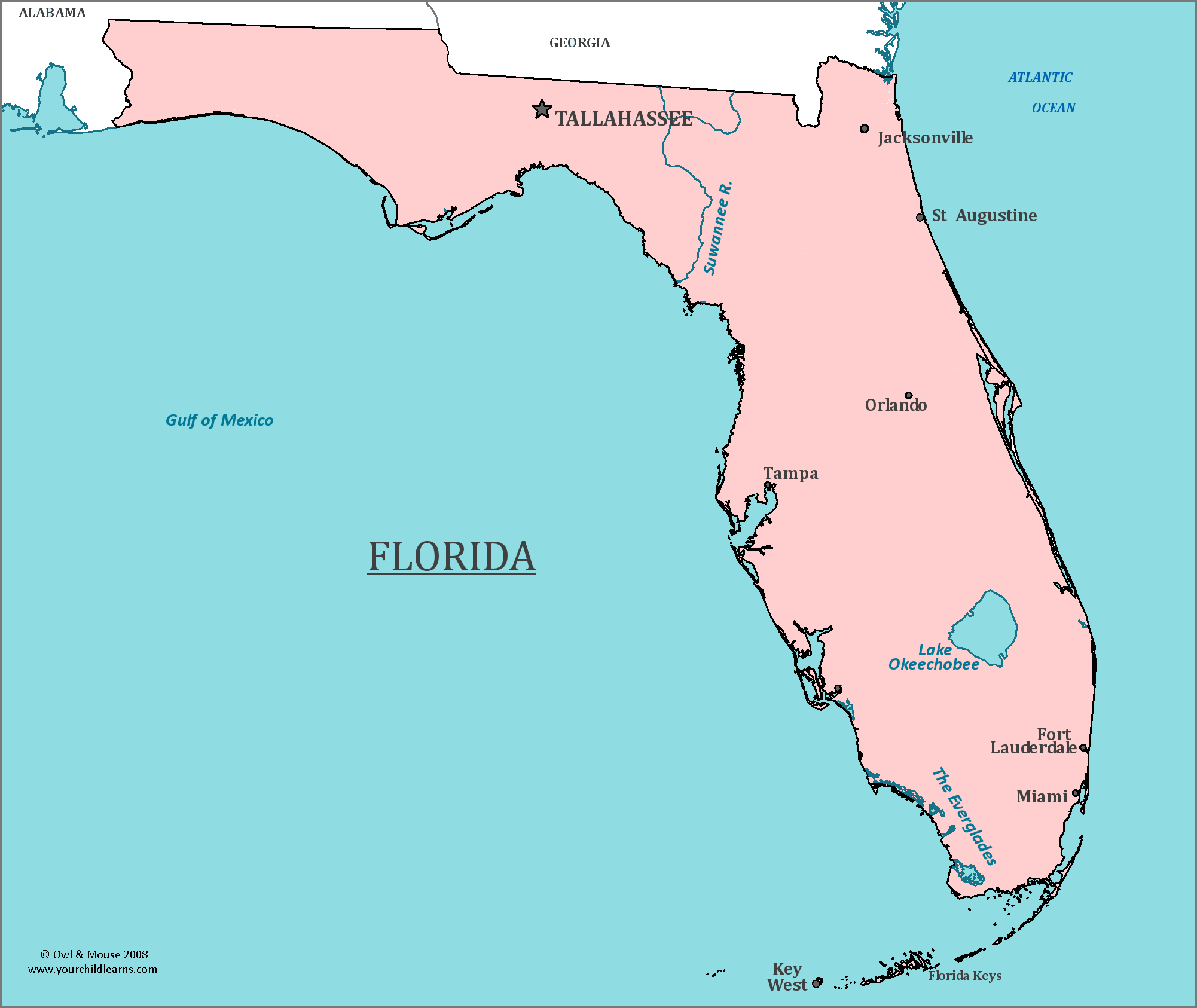
Florida spans two distinct time zones, a detail that often trips up travelers heading to the western panhandle. Most of the state operates on Eastern Time, while the portion west of the Apalachicola River sits in the Central Time zone. Knowing which zone you're in prevents missed flights, late meetings, and scrambled vacation itineraries.
Beyond the geographic split, the state observes Daylight Saving Time (DST), shifting clocks forward in March and back in November. Whether you're coordinating a business call to Miami, booking a flight into Pensacola, or checking the current hour from another time zone, tracking Florida time requires clarity on these boundaries and seasonal shifts.
The Two Florida Time Zones Explained
The vast majority of Florida—including major hubs like Miami, Orlando, Tampa, Jacksonville, and Tallahassee—operates on the Eastern Time Zone. During standard time months, this is Eastern Standard Time (EST, UTC-5), and during the warmer months, it switches to Eastern Daylight Time (EDT, UTC-4).
The geographic exception is the Florida Panhandle. All areas west of the Apalachicola River—encompassing major cities like Pensacola, Panama City, and Destin—run on the Central Time Zone. They observe Central Standard Time (CST, UTC-6) in the winter and Central Daylight Time (CDT, UTC-5) in the summer. If you drive west from Tallahassee toward Pensacola on Interstate 10, your phone's clock will automatically jump back one hour as you cross the county and river boundary.
Daylight Saving Time Mechanics in the Sunshine State
Like most of the United States, Florida shifts its clocks twice a year. This seasonal adjustment impacts scheduling, transportation, and daily routines.
- Spring Forward: On the second Sunday in March, clocks move ahead one hour at 2:00 AM local time, shifting the state into daylight saving mode and trading an hour of sleep for longer evening daylight.
- Fall Back: On the first Sunday in November, clocks move back one hour at 2:00 AM, returning the state to standard time and restoring the morning hour of sunlight.
Legislative proposals have occasionally surfaced to keep Florida on year-round daylight saving time, famously dubbed the "Sunshine Protection Act" discussions. However, any permanent change requires federal congressional approval, meaning the traditional twice-yearly switch remains firmly in place.
Managing Schedules Across Florida Boundaries
When scheduling events across state lines or even within Florida's internal border, small oversights lead to missed connections. If you're flying into Northwest Florida Beaches International Airport (ECP) in Panama City and driving to a resort in Destin, you're staying entirely in Central Time. If you hop over to visit relatives in Tallahassee, you cross into Eastern Time and lose an hour upon arrival.
- Check local destination clocks: Don't assume the whole state shares an hour just because you're within Florida state borders. Double-check county lines in the panhandle.
- Account for device auto-updates: Smartphones typically update zone changes via cellular towers automatically, but manual wristwatches or rental car dashboards may require manual adjustments during panhandle road trips.
- Verify meeting times: When coordinating remote calls with teams split between Miami and Pensacola, specify the exact zone or use UTC references to avoid confusion.
Frequently Asked Questions
Does all of Florida observe Daylight Saving Time?
Yes, every part of Florida observes Daylight Saving Time, keeping uniform alignment with the rest of the eastern and central United States jurisdictions.
What is the time difference between Miami and Pensacola?
Pensacola is always exactly one hour behind Miami. When it's 3:00 PM in Miami, it's 2:00 PM in Pensacola.
Which major Florida cities are in the Central Time zone?
Pensacola, Panama City, Destin, Fort Walton Beach, and DeFuniak Springs are the primary population centers located in the Central Time zone.
How does Florida's time affect television broadcasts?
Because the panhandle falls into the Central Time zone, network television feeds and live sporting events often air one hour earlier relative to local time compared to Orlando or Miami viewers.


