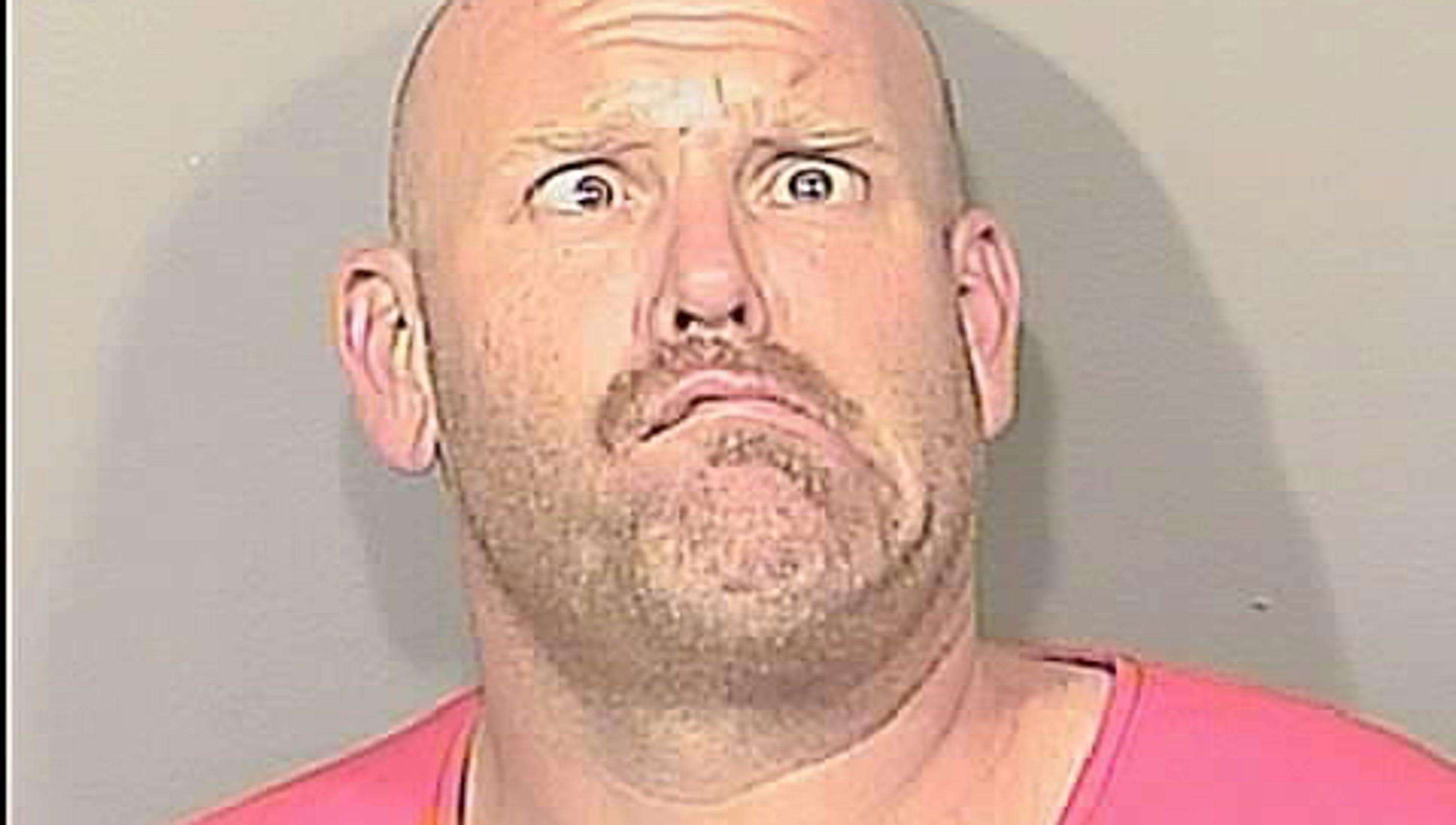
Navigating arrest records and booking images in Marion County can feel overwhelming, especially given how quickly local booking photographs spread online. If you are looking into Florida Ocala mugshots, you are likely dealing with public database listings, local law enforcement reporting, or third-party aggregators that harvest booking photos as soon as they are filed.
Under Florida's broad public records framework, arrest images captured by the Ocala Police Department and the Marion County Sheriff's Office enter the public domain almost instantly. Knowing how these records are created, what rights you have under state law, and how to address unwanted online publication can help you manage your digital footprint effectively.
Understanding Florida's Public Records Laws
Florida operates under Chapter 119 of the Florida Statutes, commonly known as the Public Records Act. This legislation mandates that records made or received by public agencies in connection with official business must be open for personal inspection by any person.
When local law enforcement books someone into the Marion County Jail, the resulting documentation includes:
- Fingerprints and physical descriptions
- Arrest affidavits and incident reports
- Booking photographs (mugshots)
- Charges filed and bond amounts
Because these files are matters of public record, newspapers, local news sites, and commercial data brokers can legally access and display them. Automated scrapers monitor jail rosters daily, pulling fresh entries into public-facing galleries within hours of an arrest.
The Reality of Commercial Mugshot Sites
While traditional news outlets publish booking photos as part of legitimate crime reporting, a secondary industry emerged around commercial mugshot publishing. These websites index arrest records from across the country, often displaying them prominently in search engine results when someone searches a person's name.
For years, many of these operators exploited individuals by demanding steep fees to take down photos. To combat this practice, the Florida Legislature enacted specific protections to shield residents from extortionary business models.
Florida Statute 901.43 and Removal Rights
Florida law explicitly targets commercial publishers that profit from booking images. Under Florida Statute § 901.43:
- Prohibition of Fees: Commercial websites are legally barred from charging any fee or financial compensation to remove, correct, or modify an arrest photograph.
- Mandatory Timelines: When a valid written removal request is submitted by registered mail, the publisher must take down the image within ten calendar days.
- Civil Penalties: Failing to comply exposes the publisher to civil penalties of up to $1,000 per day, alongside liability for reasonable attorney fees and court costs. Republishing a removed photo can incur daily fines up to $5,000.
How to File a Statute 901.43 Removal Demand
If you need to request the removal of a booking photo from a commercial third-party site, follow these precise steps:
- Draft a formal written request: State clearly that you are demanding the removal of the specific booking photograph pursuant to Florida Statute § 901.43.
- Identify the exact target: Provide the precise URL of the page where the image appears, along with any relevant booking or case numbers.
- Include proof of identity: Attach documentation verifying that you are the person featured in the photograph.
- Send via registered mail: Deliver the notice to the publisher's registered agent using a trackable mailing method to secure proof of receipt.
Sealing and Expunging Criminal Records in Florida
While Statute 901.43 forces commercial websites to take down images on demand, addressing the root government record requires formal legal relief through the Florida Department of Law Enforcement (FDLE). If your case ended without a conviction—such as through a dismissal, dropped charges, or an acquittal—you may be eligible to seal or expunge your criminal history.
- Sealed Records: Restricts public access to the court file and law enforcement records. While government agencies retain access under specific legal exceptions, general public background checks will not show the record.
- Expunged Records: Orders the physical destruction of the record files held by criminal justice agencies, completely terminating public access.
Once a record is sealed or expunged, law enforcement agencies stop releasing the associated booking photo to public requestors, cutting off the source material that web scrapers rely on.
Common Mistakes to Avoid
When attempting to clear online arrest data or handle Ocala booking records, people frequently make avoidable errors that delay resolution:
- Paying removal fees: Never pay a commercial mugshot website to take down your photo. Doing so rewards predatory operators and violates the protections built into Florida law.
- Sending informal emails: Sending casual contact form submissions or unsupported emails often results in ignored requests. Legal demands must follow statutory guidelines, including formal identification and registered mail delivery.
- Ignoring search engine caching: Even after a third-party site deletes a photo, search engines like Google may continue displaying cached versions or thumbnail images until the search index updates or a removal tool is submitted.
- Assuming all publishers comply: Unscrupulous operators operating outside domestic jurisdiction may ignore statutory notices, requiring secondary enforcement steps or search engine suppression strategies.
Frequently Asked Questions
Can a mugshot be published if the charges were dropped?
Yes. Law enforcement agencies capture and release booking photos at the time of arrest, which is a matter of public record. Even if charges are later dropped or dismissed, the initial publication remains technically legal under public records laws, though it makes you fully eligible to demand removal from commercial sites under § 901.43 or pursue record expungement.
How long does the Marion County Sheriff's Office keep booking records?
Local law enforcement agencies maintain booking records and incident reports permanently as part of their official archives, pursuant to state retention schedules. Public access to these files only changes if the underlying case undergoes formal sealing or expungement.
Does Statute 901.43 apply to legitimate news organizations?
No. Mainstream newspapers, television broadcasters, and recognized journalistic publications acting as bona fide news sources are generally exempt from mandatory takedown statutes when reporting on matters of current public interest.
What should I do if a website ignores my removal demand?
If a commercial publisher fails to remove the image within ten days of receiving a valid registered mail demand, they face accumulating daily civil penalties. At that stage, consulting with an attorney experienced in privacy and public records law is often the most effective way to enforce compliance or pursue legal damages.



