When public figures face criminal charges, the collision between personal conduct and professional reputation sparks intense public debate. The high-profile arrest of a Florida morning news anchor for driving under the influence laid bare the complex expectations placed on media personalities. Beyond the routine details of a traffic stop, the incident ignited widespread scrutiny regarding how television stations handle misconduct, how transparency operates in modern newsrooms, and where the boundary lies between private actions and public trust.
The intersection of media authority and personal accountability creates a fragile ecosystem. When an anchor—someone invited into living rooms daily to deliver objective facts—finds themselves on the other side of a police report, viewers naturally question the credibility of the institution. This case study examines the fallout from the arrest, the friction between station management and audience expectations, and the broader questions surrounding media accountability in the digital age.
The Incident and the Immediate Aftermath
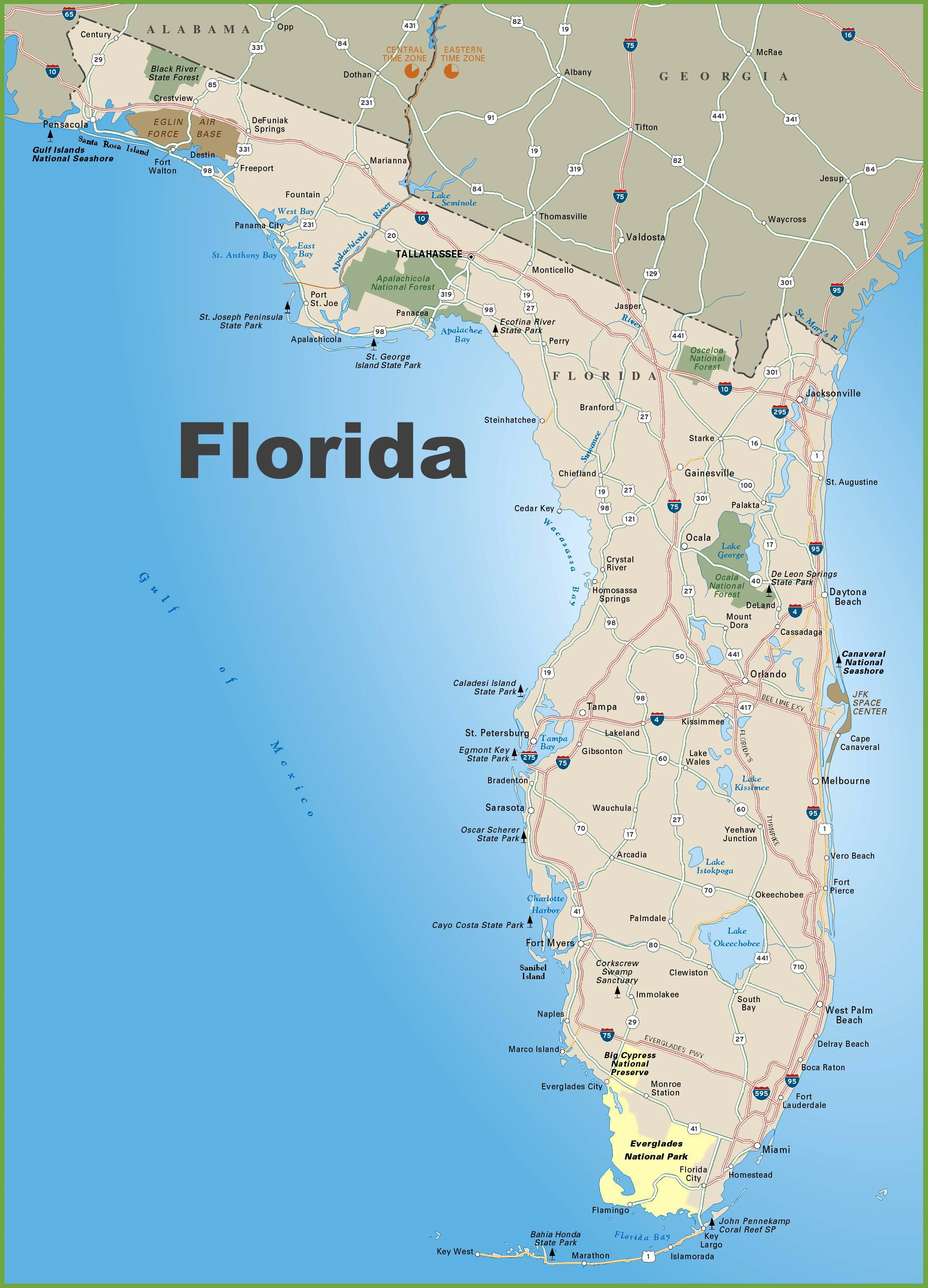
The events unfolded on a December night when local law enforcement pulled over a black Honda Accord driving without taillights in West Palm Beach. The driver was Farron Salley, a morning and weekend anchor for the local ABC affiliate, WPBF Channel 25. What began as a standard traffic stop quickly escalated as bodycam footage captured a tense exchange between the anchor and the arresting officer.
During the stop, Salley exhibited defensive behavior, questioned the officer's rationale, and made provocative comments while undergoing field sobriety tests. The footage later captured her invoking her status as a television personality, expressing concern over how the incident might affect her career. Following the field evaluations, officers placed her under arrest for driving under the influence.
For months, the situation remained relatively quiet within the newsroom. Legal proceedings moved forward, and subsequent reviews led to the formal dropping of the DUI charges. Backed by this legal resolution, the station permitted Salley to return to the airwaves, operating under the assumption that the legal system's dismissal closed the matter.
Public Outcry and the Release of Bodycam Footage
Management's decision to quietly reinstate the anchor unraveled once the public gained access to the raw bodycam footage. In the era of public records transparency, police interactions involving notable figures rarely stay hidden for long.
When viewers watched the unedited video circulate online, the reaction was swift and unforgiving. The public outcry didn't focus solely on the initial suspicion of impaired driving; it centered heavily on the conduct displayed during the encounter. Critics pointed to a stark double standard: ordinary citizens facing similar situations rarely enjoy the benefit of quiet internal reinstatements after contentious police interactions.
The backlash placed station ownership, Hearst Television, in a difficult position. Local news relies entirely on community trust. When that trust takes a severe hit due to viral footage showcasing unbecoming behavior, management faces a binary choice: protect the employee or protect the brand's integrity.
The Reality of Media Accountability and Credibility
Journalistic credibility is a fragile asset. News anchors serve as the face of an organization, and viewers expect them to embody community standards both on and off the screen. When an anchor's private conduct becomes public spectacle, the station's editorial authority suffers collateral damage.
- The Trust Deficit: Audiences invest trust in news presenters. If an anchor is perceived as leveraging their status to evade accountability or treating law enforcement with disdain, viewers question whether that same bias bleeds into their reporting.
- Institutional Transparency: Stations often attempt to handle personnel issues internally to minimize PR damage. However, modern freedom of information laws and digital video distribution mean transparency is no longer optional. Trying to sweep controversies under the rug usually amplifies the eventual backlash.
- The Dual Standard Debate: A major driver of public anger in media misconduct cases is the perception that high-profile individuals receive preferential treatment compared to everyday citizens.
Recognizing that the damage to public perception was irreparable, station management and Salley ultimately reached a mutual agreement regarding her departure. The resignation underscored a fundamental truth of modern media: reputation management requires active alignment with community values, not just legal absolution.
Broader Lessons for Newsroom Ethics
The fallout from the West Palm Beach incident offers valuable takeaways for media organizations navigating similar crises in an interconnected media landscape.
- Swift, Transparent Communication: Waiting for public pressure to force a reaction erodes audience confidence faster than the initial incident itself. Proactive statements acknowledging community concerns build more long-term goodwill than corporate silence.
- Separating Legal Outcomes from Ethical Standards: Legal clearance does not automatically equal ethical clearance. Winning a dismissal in court solves a legal liability, but it doesn't automatically restore professional trustworthiness.
- The Omnipresent Lens: In an era where police body cameras and smartphones document nearly every public interaction, public figures must operate under the assumption that private behavior can instantly become public domain.
For more insights on journalism ethics and professional standards, you can review guidelines from the Society of Professional Journalists.
Frequently Asked Questions
Was the anchor convicted of a DUI?
No. Legal proceedings resulted in the formal dropping of the DUI charges against Salley, allowing her to temporarily return to her broadcasting role before her eventual departure.
Why did the public outcry happen months after the arrest?
While the arrest occurred in December, the public reaction exploded months later once the arresting agency's bodycam footage became public record and circulated widely on digital platforms.
Did the station fire the anchor immediately?
No. The station initially allowed her to return to work after the charges were dropped. It wasn't until the public backlash intensified following the release of the arrest video that the station and the anchor agreed on a mutual resignation.
Where can I read more about police bodycam transparency laws?
To understand how public records laws govern the release of police footage, you can consult resources provided by the Reporters Committee for Freedom of the Press.


