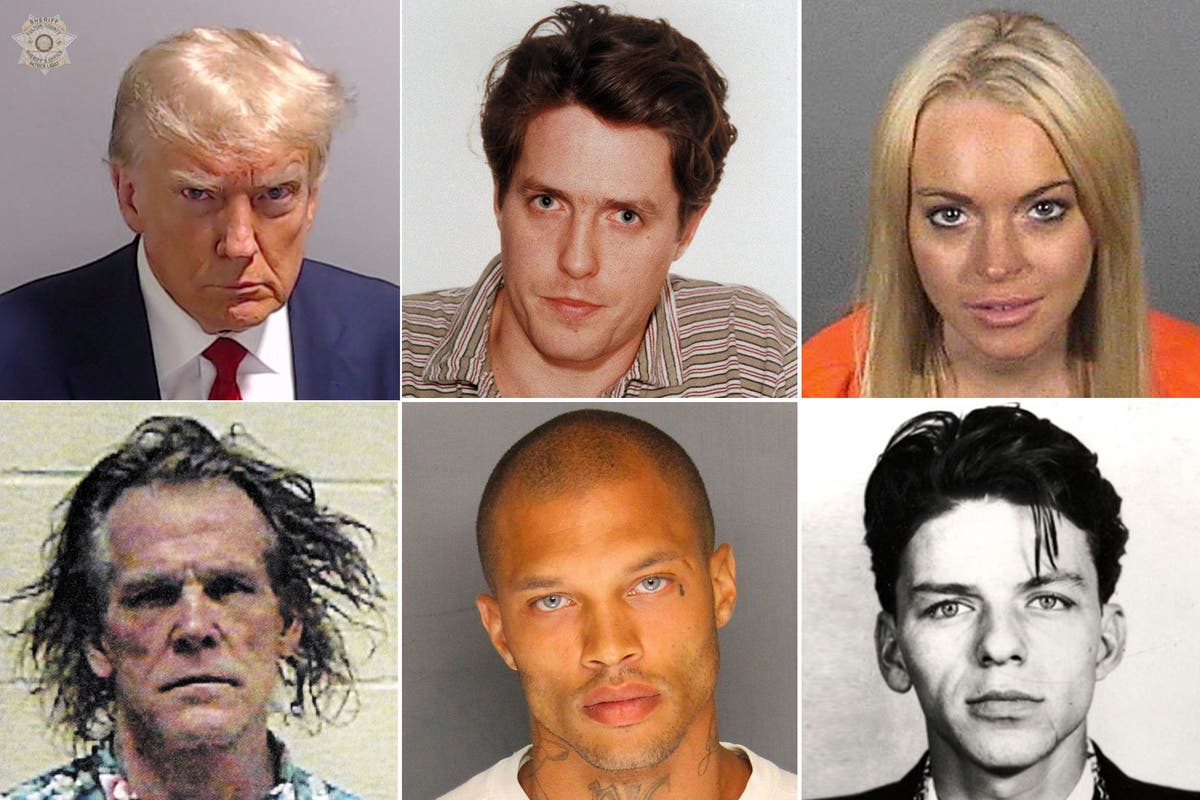
Florida arrest booking photographs occupy a strange intersection between absolute transparency and digital exploitation. When an individual gets arrested in the Sunshine State, their booking photo and arrest details become instantly accessible public records. This open-door policy feeds a massive ecosystem of entertainment blogs, social media aggregators, and commercial mugshot websites that profit from publishing humiliating images. Understanding how this system works requires looking past the viral headlines to examine the actual statutes governing public transparency and digital removal.
The state's sweeping openness stems from the Florida Public Records Law, codified in Chapter 119 of the Florida Statutes. Unlike jurisdictions that restrict access until a formal conviction occurs, Florida treats nearly all records generated by state, county, and municipal law enforcement agencies as public property. The legislative intent prioritizes government accountability and citizen oversight, ensuring that police actions remain transparent. However, this broad mandate means that an arrest—regardless of whether it ultimately leads to formal charges, dropped cases, or a full acquittal—leaves a permanent digital footprint that anyone can access within hours.
The Mechanics of Florida Public Records and Arrest Data
When local law enforcement books an individual into a county jail, the agency captures standard booking data: physical descriptions, timestamped charges, the arresting department, and the mugshot itself. Under the Florida Constitution and Chapter 119, journalists, private citizens, and data scraping entities can harvest these files with minimal friction.
Third-party publishers capitalize on this frictionless access. They ingest feeds from county sheriff offices and display the data on commercial platforms. Because these sites generate ad revenue or attempt to charge high fees for removal, they historically operated as digital extortion rings. An individual caught in a minor misunderstanding or a dismissed case could find their face plastered across search engines indefinitely, impacting employment and housing opportunities long before any court date.
Florida Statute 901.43 and the Fight Against Mugshot Extortion
The state legislature recognized that predatory commercial sites were weaponizing public records for financial gain. To combat this practice, lawmakers enacted Florida Statute § 901.43, which fundamentally changed how commercial booking photo publishers operate.
Under this statute, any commercial entity that publishes booking photos for pecuniary gain or trade must remove an image upon receiving a proper written demand from the depicted individual. Crucially, the law prohibits these websites from charging any fee to take the photo down. If a publisher ignores a valid removal request within ten business days, they face severe civil penalties of up to $1,000 per day of continued non-compliance, alongside liability for the victim's attorney fees and court costs.
- Send a written request: The demand must be mailed via registered mail to the publisher's registered agent.
- Verify identity: Include clear proof of identity confirming you are the person in the photograph.
- Identify the exact URL: Provide the specific webpage link, booking number, or unique identifier where the image appears.
If a site complies by removing the photo but later republishes it, the penalties escalate to as much as $5,000 per day. This statutory framework gives everyday citizens an enforceable tool to cleanse commercial search results without paying extortion fees.
Government Sources vs. Commercial Aggregators
Relying on third-party aggregators for accurate criminal history information often yields misleading results. Commercial blogs rarely update their pages when charges get dropped or records get sealed. For accurate legal verification, individuals and researchers must consult official government portals maintained by local authorities, such as the Miami-Dade Corrections and Rehabilitation Department or county clerk of court databases.
Official government repositories reflect real-time docket changes, bond statuses, and judicial dismissals. Reviewing these primary sources ensures that anyone evaluating an arrest record sees the actual legal outcome rather than a static, out-of-context snapshot taken during the initial hours of booking.
Sealing and Expungement Options in Florida
While § 901.43 forces commercial websites to take down booking photos upon demand regardless of the case outcome, cleaning up official government databases requires formal judicial relief. Florida law provides two primary paths for clearing an eligible criminal history: sealing and expungement.
- Sealing a record: Hides criminal history details from public view, though certain government agencies and specialized employers can still access the file under specific statutory exceptions.
- Expunging a record: Physically destroys or removes the record from most state repositories, treating the arrest as though it never occurred for the vast majority of civilian background checks.
Eligibility depends heavily on the final disposition of the case. Generally, individuals who received a adjudication withheld, a dismissal, or a nolle prosequi may qualify to have their record sealed or expunged, provided they have no prior disqualifying convictions on their record. Navigating these petitions typically involves filing through the Florida Department of Law Enforcement to obtain a Certificate of Eligibility before petitioning the circuit court.
Frequently Asked Questions
Can a Florida website legally charge me to remove my mugshot?
No. Under Florida Statute § 901.43, commercial publishers are strictly prohibited from soliciting or accepting any fee to remove a booking photo. Demanding payment constitutes an unfair and deceptive trade practice.
Does a § 901.43 demand remove my mugshot from Google search results?
The statute compels the specific third-party publisher to take down the image. Once the source page is removed, search engines like Google will eventually drop the indexing link as they re-crawl the web, though you can also use search engine removal tools to accelerate the process.
Are news organizations and media outlets forced to remove mugshots under this law?
No. Traditional news organizations, journalistic outlets, and established broadcasting entities are generally exempt from commercial mugshot removal statutes if their primary business model is reporting news rather than profiting off booking photo galleries.
What happens if a mugshot website ignores my written removal request?
If the publisher fails to remove the booking photo within ten days of receiving a valid registered mail demand, they become liable for civil penalties of up to $1,000 per day, plus your reasonable attorney fees and court costs.



