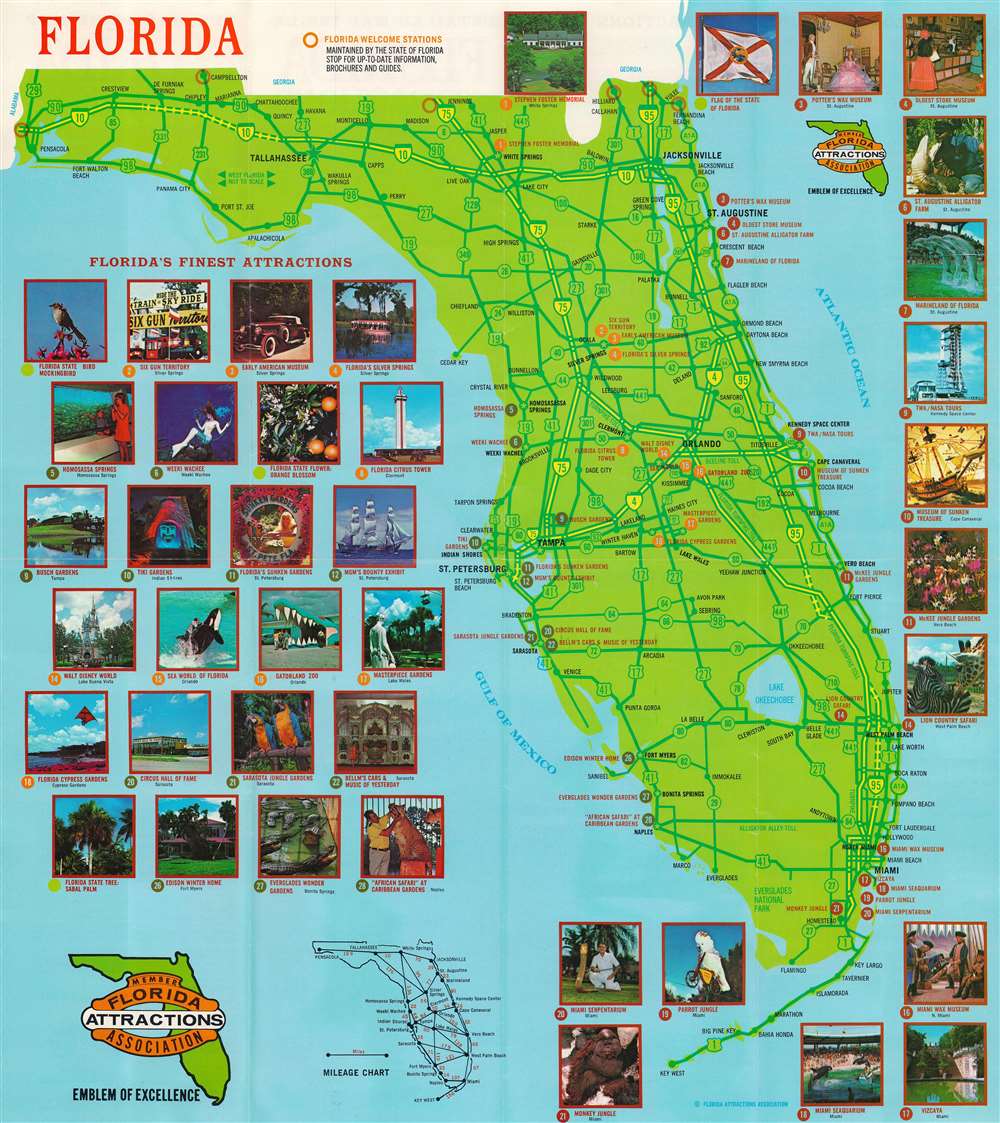
The internet obsession with unusual headlines originating from the Sunshine State has become a permanent fixture of digital culture. Among thousands of viral dates, specific entries like Florida man October 8 capture widespread curiosity because they blend genuine municipal oddities with the unique machinery of state reporting. People search for these dates to find the exact police blotter entries that birthed viral memes, trying to separate internet myth from actual local reporting.
Understanding why these bizarre events happen requires looking past the punchline. This phenomenon relies on a mix of open-government laws, high population density, and a media ecosystem that thrives on sensationalism. When you examine specific records from dates like October 8—such as infamous arrests involving everything from weapons to smuggled household objects—you find a complex intersection of local law enforcement transparency, systemic mental health struggles, and rapid social media amplification.
The Mechanics Behind the Sunshine State Headlines
The primary driver of these viral stories isn't necessarily that residents of the state behave more strangely than people anywhere else. Instead, the legal framework creates a massive glass house.
Under the state's Government-in-the-Sunshine laws, arrest affidavits, police body-cam footage, and incident reports are almost entirely public record. Anyone—from a local beat reporter to an anonymous social media aggregator—can request raw police logs almost immediately. In many other jurisdictions, arrest details are heavily restricted or delayed until formal charges are filed in court.
- Public Record Laws: Journalists and citizens have near-instant access to raw police blotters.
- Media Amplification: Algorithms favor shocking imagery and bizarre phrasing, turning routine local crime briefs into global sensations.
- Demographic Factors: High transient populations and rapid urban growth create friction points handled by local constabularies.
When sheriff offices like the Polk County Sheriff's Office hold press conferences detailing surreal contraband discoveries—such as the infamous case where an individual attempted to conceal a metal thermos inside their body before booking—the resulting video clips travel worldwide within hours.
Case Study: Analyzing October 8 Police Reports
Looking closely at law enforcement logs for October 8 reveals a distinct pattern of low-level chaos, substance abuse, and domestic disputes that local agencies handle daily. For instance, past police blotters from this date have documented bizarre encounters involving public disturbances, erratic property damage, and strange confrontations.
Sheriff Grady Judd frequently highlights these cases during public briefings, noting that while the public laughs at the absurdity, deputies often intervene in life-threatening medical crises. In the thermos-smuggling incident, authorities pointed out that an arrest likely saved the suspect from severe internal injury, even though the suspect hurled threats at officers.
When readers hunt for specific calendar dates, they usually encounter a mix of real police blotter history and crowdsourced internet games. On social media platforms like Reddit, users frequently run birthday challenges where they type their birth date alongside the state name into search engines to find their personal "headline twin". This gamification turns routine crime reporting into an interactive meme.
Why Media Outlets Lean Into the Trend
The commercial incentive for covering quirky regional arrests is clear. Major digital publications maintain dedicated tags or automated feeds for these stories because they generate high click-through rates and social shares.
However, media critics often point out the ethical dark side of this trend. Many viral subjects are individuals suffering from acute mental illness, homelessness, or severe substance addiction. Packaging their worst personal moments into entertainment for millions of readers normalizes public mockery of vulnerable populations.
- The Entertainment Trap: Turning real human distress into a punchline.
- The Transparency Paradox: Using open records laws—designed to keep government accountable—to instead spotlight private citizens' lowest moments.
- The Stigma Effect: Overshadowing serious regional issues with caricature.
According to the Columbia Journalism Review, the cottage industry surrounding these viral crime briefs relies on exploiting systemic vulnerabilities for digital ad revenue.
Common Mistakes When Following Viral News Trends
People tracking internet memes often fall into traps that distort reality. Avoiding these errors helps you view regional news with a clearer perspective.
- Assuming uniqueness: Believing that unusual crimes happen exclusively within state borders, ignoring that similar events occur everywhere daily without public records laws exposing them.
- Ignoring context: Treating an arrest report as a final conviction, forgetting that initial police affidavits often contain unproven allegations or stem from mental health crises.
- Sharing unverified rumors: Spreading old news items as if they happened yesterday, losing track of timelines in fast-moving social feeds.
Frequently Asked Questions
Why are there so many weird news stories from Florida?
The high volume of bizarre headlines stems primarily from open public records laws that give reporters instant access to police reports, combined with a large population and aggressive media aggregation.
Are all viral headlines from this state real?
Most originate from real police blotters, but social media users frequently fabricate fake headlines or attach old images to unrelated modern events for shock value.
How do police departments handle these viral arrests?
Some local law enforcement agencies lean into the publicity during press conferences, using humor or blunt honesty to describe chaotic bookings, while others maintain standard professional reporting.
Is the meme harmful to local communities?
Critics argue it dehumanizes individuals dealing with addiction or mental health disorders by turning their arrests into global punchlines, though proponents argue transparency keeps police accountable.


