The "Florida Man" meme stands as one of the most durable pieces of folklore in the digital age. It transforms ordinary police blotters into viral entertainment. Among calendar-based searches, specific dates like November 30 attract curiosity from readers looking for bizarre news alignments. Search intent centers on understanding how public arrest records, local journalism, and internet culture collide to create these modern urban legends.
Rather than pointing to genuine astrological or chronological patterns, these viral collections highlight the mechanics of online news aggregation. Florida's unique public records laws allow journalists and internet sleuths to access arrest affidavits almost instantly. This open-government framework fuels a continuous stream of eccentric headlines that capture global attention.
The Mechanics of Public Records and Viral News
Florida's Sunshine Laws guarantee public access to government meetings and records. Police departments across the state upload arrest logs and incident reports directly to online databases within hours of an arrest.
- Immediate Access: Reporters don't have to wait for formal press conferences to uncover unusual local crimes.
- Openness Mandate: Mugshots, booking details, and narrative reports are typically public domain by default.
- Syndication Speed: Aggregator sites and social media pages scan these records to spot odd combinations of suspect behavior, animals, or bizarre locations.
When a date like November 30 gets attached to a search query, it often pulls together completely unrelated events from different years. A high-speed chase in one county pairs with a domestic dispute in another simply because they share a calendar square in an archive database. To see the full picture, check out the excellent analysis by The New York Times.
Realities Behind the Headlines
Behind every viral headline sits a real legal or personal crisis. While internet culture treats these stories as comedy, they frequently stem from severe social issues.
- Substance Abuse: A significant percentage of erratic behavior stems from narcotics or alcohol intoxication.
- Mental Health Struggles: Untreated psychiatric conditions often lead individuals into public spectacles that draw immediate law enforcement response.
- Domestic Conflict: Many high-stakes police encounters originate from heated family arguments or neighborhood disputes.
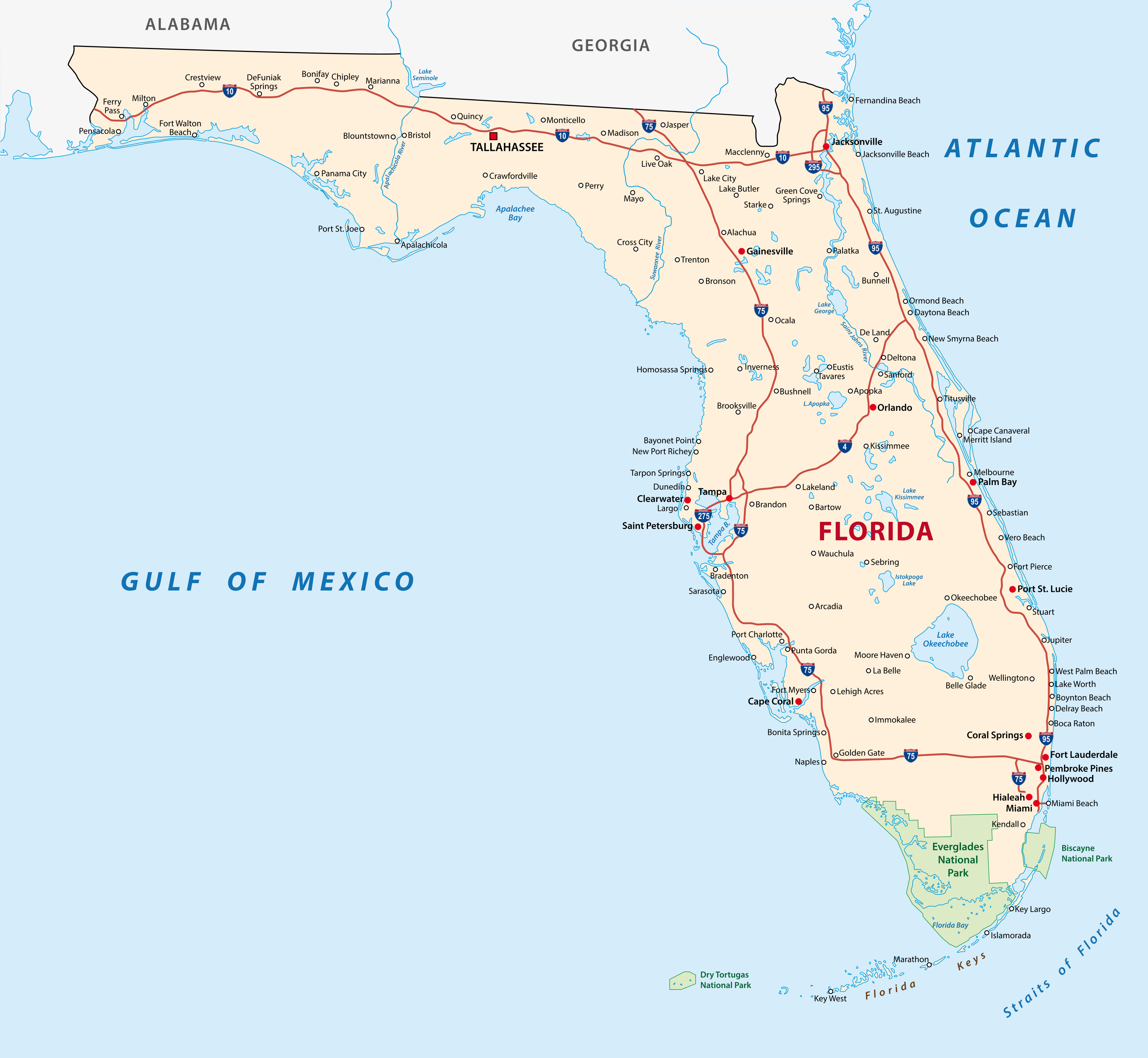
Law enforcement agencies in counties like Pinellas, Hillsborough, and Miami-Dade handle thousands of calls daily. The tiny fraction involving unusual costumes, stolen lawnmowers, or wildlife encounters gets amplified by algorithms. The Poynter Institute regularly analyzes how regional reporting shapes these broader public perceptions.
How Internet Communities Shape the Myth
The evolution of the meme relies heavily on crowdsourced platforms like Reddit, X (formerly Twitter), and TikTok. Users treat public arrest logs like a game show, searching their own birthdays combined with "Florida man" to see what bizarre crime pops up.
This gamification detaches the subjects of the news stories from their real-world consequences. A man arrested for fleeing police in a clown costume becomes a cartoon character rather than a defendant facing serious felony charges. Platforms like Know Your Meme document how these tropes evolved from simple news clippings into a shared digital mythology.
Common Misconceptions About Florida Crime
Many casual observers assume Florida has higher rates of bizarre crime than other states. Criminologists point out that the state's crime rates align closely with national averages for population size.
- The Transparency Factor: Other states seal juvenile records or restrict immediate access to mugshots, dampening viral potential.
- Population Diversity: With over twenty-two million residents and millions of annual tourists, the sheer volume of police interactions increases statistical probability.
- Media Incentives: Local news outlets know that quirky headlines drive clicks, leading to specialized reporting on eccentric crimes.
Frequently Asked Questions
Why are there so many Florida Man news stories?
Florida's broad public records laws make arrest reports instantly accessible to journalists and the public, creating a steady stream of eccentric news coverage.
Is Florida Man a real person?
No, it's an internet archetype representing any anonymous individual featured in a bizarre news headline originating from Florida.
Do specific birthdays change arrest statistics?
No. Grouping crimes by a specific calendar date like November 30 is an artifact of search engine optimization and archive aggregation, not criminal trends.
Why do people search for date-specific crime stories?
Users often look up their birthdays or historical dates out of curiosity to see what odd events happened on specific days in pop culture or local news.


