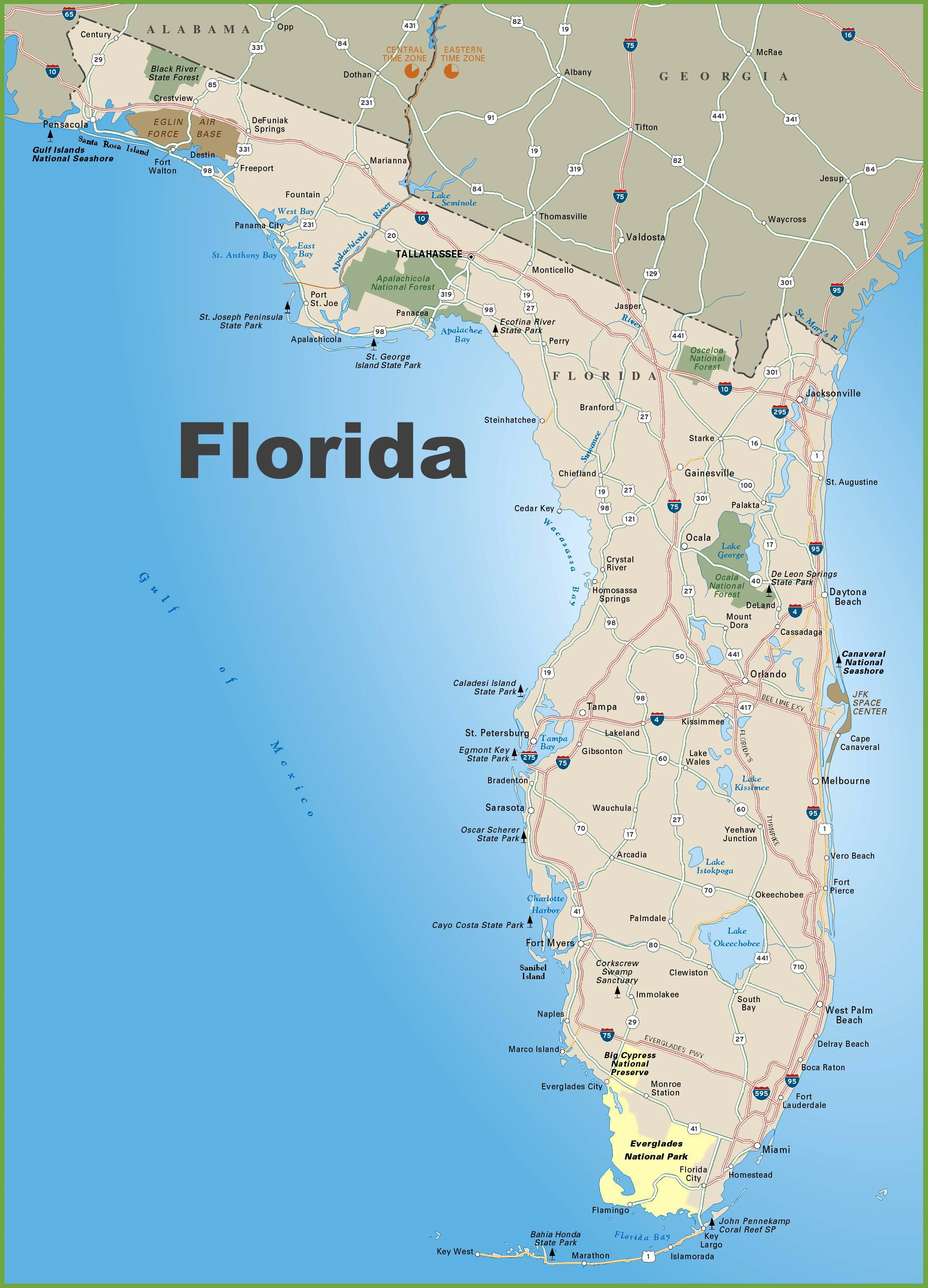
The internet loves a spectacle, and few figures command digital attention quite like the anonymous protagonist of a bizarre police blotter. Among the endless cycle of viral lore, Florida man November 18th stands out as a unique calendar date where absurd news briefs, social media aggregation, and internet humor converged. While the meme itself is a decentralized creation of the 2010s, specific dates often take on mythical status inside meme archives and aggregator accounts.
Understanding how a single calendar date turns into a viral legend requires looking past the punchline. This phenomenon exposes how local crime reporting intersects with modern content aggregation, why public records laws in the Sunshine State create a unique media ecosystem, and what happens when human struggles are packaged purely for algorithmic engagement.
The Mechanics of Florida Open Records Laws
The primary driver behind every headline isn't the climate or the water; it's Chapter 119 of the Florida Statutes, commonly known as the Public Records Law. Enacted in 1909, this sweeping legislation mandates that almost all state, county, and municipal records be open for personal inspection and copying by any citizen.
Unlike many other jurisdictions where police departments can withhold booking details or minor arrest affidavits until formal charges are filed or trials begin, Florida law requires immediate transparency. Police blotters, jail logs, and body-cam footage are released in near real-time.
- Immediate Access: Journalists and citizens can access arrest reports moments after booking.
- Broad Definition: Public records include mugshots, 911 audio recordings, and initial police narratives without heavy redactions.
- Aggregator Convenience: Content creators don't need boots on the ground; they just need an RSS feed or a scanner monitor linked to Florida county sheriff databases.
When a date like November 18 rolls around, digital creators scour these publicly available logs specifically to find bizarre entries that fit the established narrative template, ensuring the date lives on in internet infamy.
How Social Media Turned Local Crime Into Global Entertainment
The transformation from a routine misdemeanor charge in a local Florida gazette to a global trending topic relies on a precise pipeline of digital curation. Long before dedicated meme pages existed, local newspapers published strange police blotter briefs in the back pages of their print editions.
In 2013, the social media landscape shifted when a dedicated Twitter account popularized the formula. By stripping away any serious legal context and pairing a sensationalized headline with a mugshot, curators turned routine court cases into viral sports.
[Local Police Report] ➔ [Scanned by Aggregator] ➔ [Hyperbolic Headline] ➔ [Algorithmic Amplification]
This pipeline thrives on engagement economics. Platforms reward high-arousal content—posts that trigger immediate shock, amusement, or disbelief. When a user shares a headline about someone attempting to pay for fast food with an alligator, the algorithm interprets that reaction as valuable user engagement, pushing it to millions of feeds who treat the entire state as a reality TV show.
The Psychology of Outrage and Schadenfreude
Why do we click? The durability of these stories points to deeper psychological undercurrents in how users consume news online. In an era dominated by heavy political discourse and complex global crises, absurd crime briefs offer a perverse form of escapism.
- Dark Comic Relief: Laughing at someone else's bizarre mistakes provides a momentary release valve from systemic stressors.
- Superiority Bias: Readers often use these stories to reinforce a sense of personal normalcy and better judgment, creating a psychological buffer against their own daily anxieties.
- Collective Folklore: Much like urban legends of the past, these headlines serve as modern folklore. They give online communities a shared vocabulary of absurdist humor.
Psychologists note that this relentless cycle creates a paradox. While users consume these stories as harmless entertainment, they participate in a system that compresses complicated human lives into punchlines.
The Real-World Cost Behind the Punchline
While internet culture treats these figures as cartoon characters, real human beings populate the police blotter. Dehumanization is an inevitable byproduct of viral meme culture.
Many individuals featured in these viral headlines are dealing with severe, untreated mental health conditions, chronic substance abuse, or extreme poverty. When a local domestic dispute or erratic public behavior is transformed into global comedy, the underlying systemic failures that contributed to the incident are completely erased.
Furthermore, the regional stereotyping has tangible impacts on local residents. Millions of people live, work, and raise families in Florida without ever interacting with bizarre news headlines. Yet, the persistent cultural trope paints an entire geographic region as inherently lawless or chaotic, overshadowing legitimate local culture, commerce, and environmental stewardship.
The Evolution of the Meme in the AI Era
As content creation shifts toward automated aggregation and AI-generated curation, the lifecycle of viral dates has accelerated. Automated scripts now monitor public databases around the clock, automatically flagging keywords that match historical engagement patterns.
This means that calendar milestones like November 18 are no longer organic discoveries by human internet sleuths; they are increasingly manufactured by automated content farms looking to capture seasonal search traffic. This shift highlights a broader transformation in digital media, where genuine human absurdity is commercialized at scale by algorithms designed to monetize our attention spans.
Frequently Asked Questions
Why are there so many weird news stories from Florida?
The high volume of strange headlines is primarily a result of Florida's strict public records laws. While unusual crimes happen everywhere, Florida's legislation makes arrest records and mugshots instantly accessible to the media and public.
Is Florida Man a real person?
No. Florida Man is a collective internet archetype and meme format used to describe various anonymous individuals featured in bizarre police reports from the state.
How did specific dates become associated with viral news?
Content creators and social media aggregator accounts frequently comb historical archives or specific daily blotters to manufacture anniversary-style memes, turning ordinary calendar days into viral landmarks.
What are the ethical concerns surrounding these viral stories?
The primary concern is the exploitation of vulnerable individuals. Many subjects of these viral posts struggle with mental illness or addiction, and reducing their arrests to online entertainment strips away their dignity and ignores systemic social issues.



