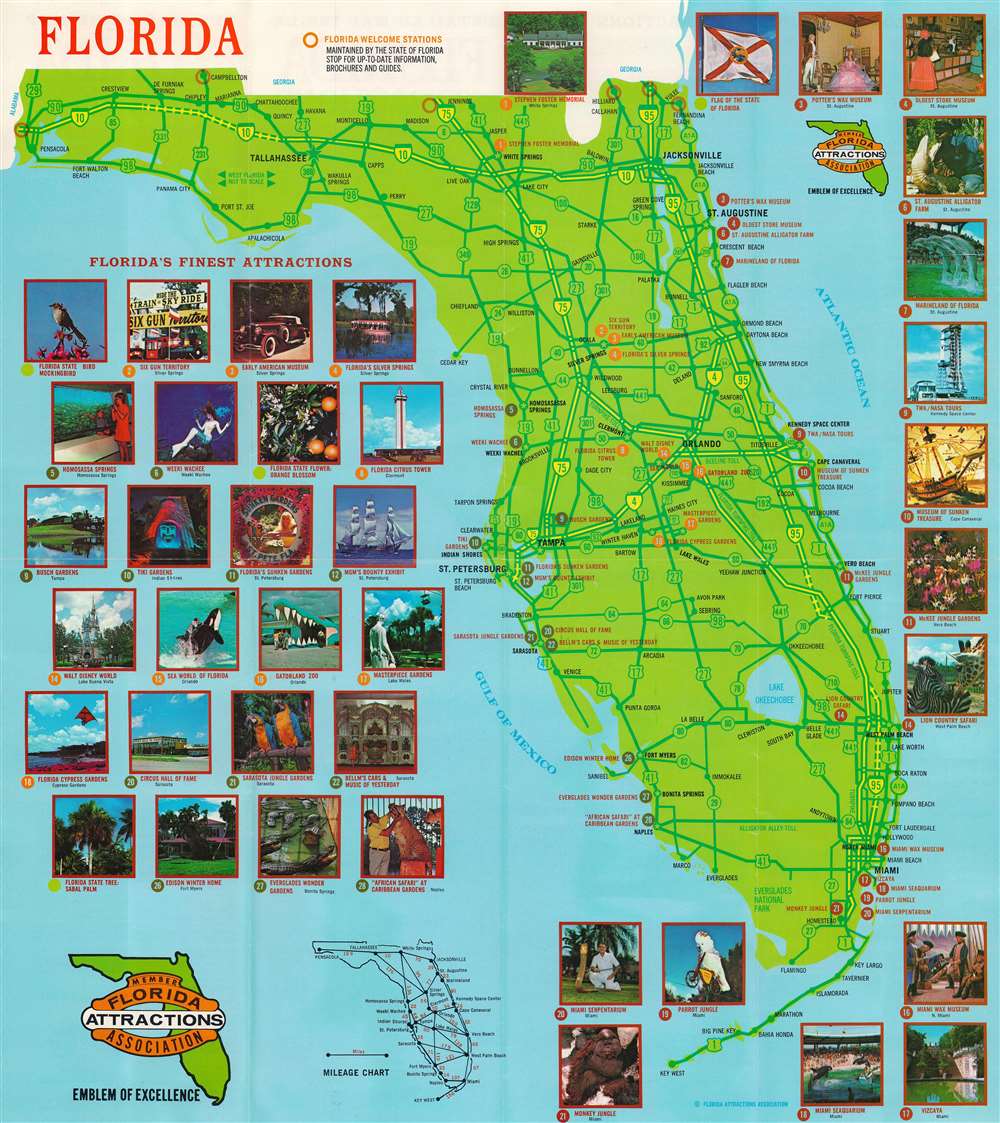
On November 24th, a chaotic public disturbance involving an unnamed individual in Miami triggered emergency responses, heavy traffic gridlock, and an immediate wave of viral commentary across social platforms. The incident, quickly absorbed into the broader internet folklore surrounding eccentric local headlines, highlights the complex friction points between public safety, urban infrastructure, and crisis intervention in densely populated metropolitan areas.
While internet memes reduce these occurrences to punchlines, the reality on the ground involves rapid-response protocols, eyewitness distress, and deep systemic challenges. Let's break down exactly what happened, how first responders managed the scene, and why these stories grip public attention so intensely.
Timeline of the November 24th Miami Incident
Emergency services logged multiple calls regarding erratic behavior in a high-traffic commercial corridor of Miami. Reconstructing the sequence helps clarify how quickly minor public disturbances can escalate into major operations.
- Morning Hours: Witnesses observed a man displaying erratic and disruptive behavior near a busy intersection, prompting initial confusion among pedestrians and local business owners.
- Midday Disruption: As the individual's actions grew more hazardous to oncoming traffic, concerned citizens placed a series of urgent 911 calls reporting a public safety threat.
- Afternoon Response: Patrol units arrived to secure the perimeter, attempting verbal de-escalation while managing the growing crowd of onlookers and smartphone cameras.
- Evening Resolution: Due to the subject's refusal to cooperate and potential risk to bystanders, specialized units stepped in to safely detain the individual and clear the corridor.
This progression demonstrates the immense pressure placed on local dispatchers and patrol officers who must balance public safety with rapid crowd control in urban environments.
The Viral Loop: How Internet Culture Shapes Local News
The moment details hit social media, users tagged the event with the famous cultural label, transforming a serious crisis into digital entertainment. This phenomenon exposes a disconnect between internet spectators and local reality.
- Algorithmic Amplification: Platforms prioritize sensational headlines, pushing unusual local news to national feeds within hours.
- Meme Culture vs. Reality: While online communities trade jokes, local residents face tangible disruptions to their daily routines and neighborhood safety.
- Loss of Nuance: Quick video clips omit the underlying causes, reducing a human in distress into a fleeting entertainment product.
According to reports from the Miami Police Department, officers face increasing numbers of calls requiring complex social intervention rather than standard enforcement. You can read more about regional public safety updates through the Florida Department of Law Enforcement.
Systemic Pressures Behind Urban Incidents
Sensational headlines often ignore the structural issues driving erratic public behavior in major cities.
- Mental Health Gaps: Shortages in accessible outpatient psychiatric care mean individuals experiencing acute episodes often go untreated until a public crisis forces intervention.
- Urban Disparity: Economic strain and housing insecurity create volatile public spaces where vulnerable individuals lack stable support networks.
- First Responder Strain: Police officers frequently act as frontline mental health workers without adequate specialized clinical training or backup resources.
Communities are increasingly demanding alternative response models that pair law enforcement with trained social workers and mental health professionals to de-escalate situations before they require physical detainment.
Frequently Asked Questions
What exactly triggered the November 24th response in Miami?
An individual was reported for erratic and disruptive behavior that endangered traffic and pedestrians, leading multiple citizens to call emergency services.
Why do these stories spread so rapidly online?
The combination of unusual human behavior and the recognizable cultural template of regional news headlines makes these events prime material for viral sharing and social media engagement.
Are details about the individual publicly available?
Official privacy guidelines and ongoing administrative reviews typically restrict the immediate release of personal identification details for individuals involved in acute medical or psychological crises.
What measures are cities taking to handle similar incidents?
Many municipalities are investing in mobile crisis response teams and specialized de-escalation training for dispatchers and patrol officers to better manage mental health emergencies.



