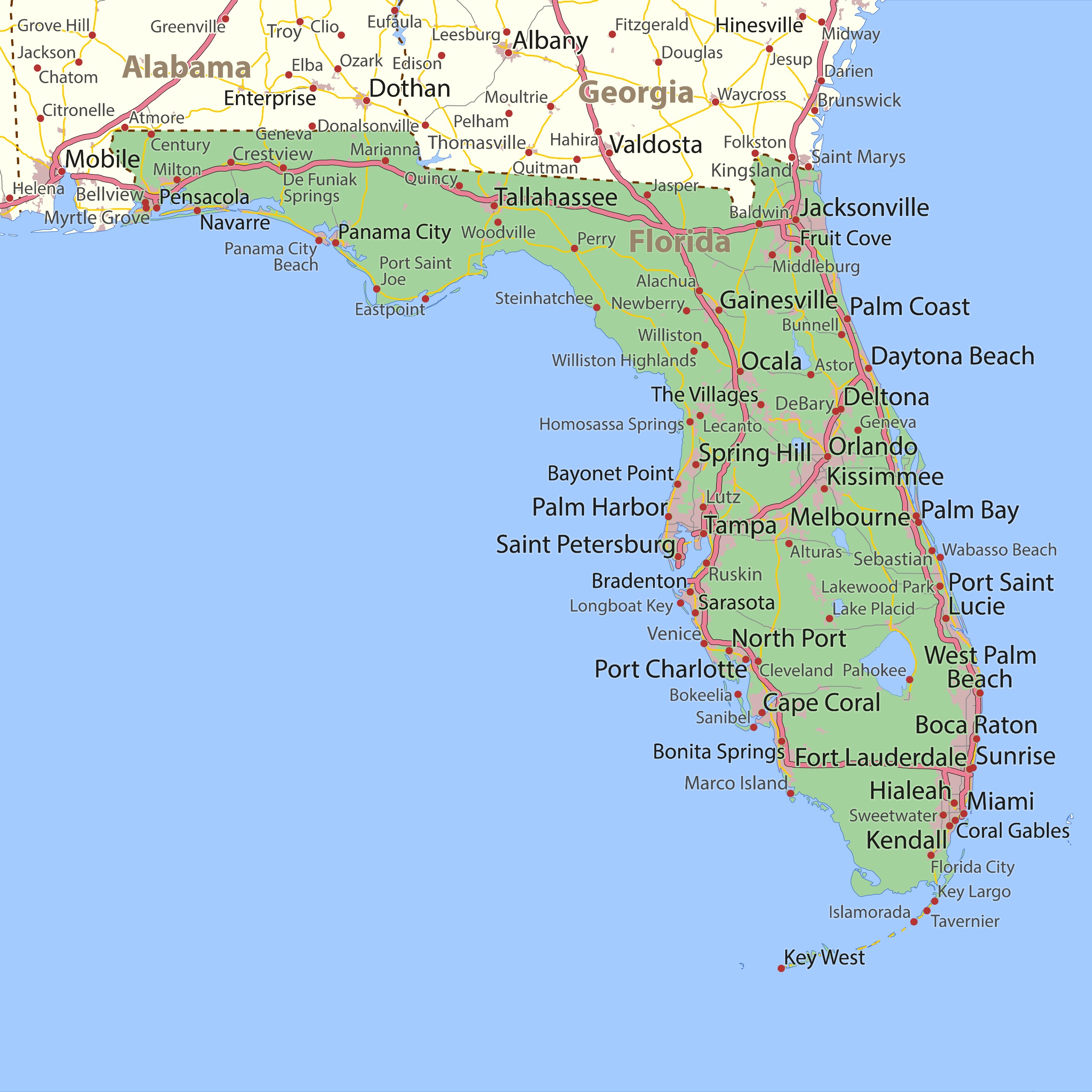
The phrase "Florida Man" stands as one of the internet's most enduring and bizarre cultural fixtures. Whenever a news headline details an absurd confrontation involving an alligator, a lawnmower, or stolen pasta, social media users instantly point toward the Sunshine State. But behind the relentless wave of viral humor lies a surprisingly complex mix of state transparency laws, local journalism practices, and confirmation bias.
Understanding why these headlines captivate the public requires looking past the punchline. This phenomenon isn't merely about odd behavior in a single geographic region; it reflects how modern media consumes, packages, and amplifies human eccentricity for digital audiences.
The True Origins of the Florida Man Phenomenon
Long before social media algorithms standardized the trope, odd news items flowed steadily out of southern swamps and coastal towns. Local newspapers historically thrived on publishing peculiar police blotter entries. However, the transformation into a collective digital meme began around 2013.
A dedicated Twitter account, @_FloridaMan, started aggregating real, unedited news snippets that began with those exact two words. Platforms like Reddit and Fark quickly accelerated the trend, turning local police reports into a collaborative internet game. Users began treating "Florida Man" as a mythical, chaotic superhero capable of defying logic on a daily basis.
What started as an organic social media joke soon bled into mainstream pop culture. Late-night television segments, fiction series, and even political commentary adopted the moniker as shorthand for utter unpredictability. The internet had successfully turned isolated local crime reports into a national entertainment cottage industry.
Why Florida? Sunshine Laws and Media Access
The persistent concentration of these headlines raises a logical question: does the state genuinely harbor more eccentric individuals than anywhere else? Sociologists and legal experts point to a much more bureaucratic culprit: Florida's public record statutes.
Under the state's Government in the Sunshine Law, passed in 1909 and subsequently expanded, almost all state and local records—including police arrest reports, dashcam footage, and interrogation videos—are immediately accessible to the public and press.
- Instant Access: Journalists and digital aggregators can secure raw arrest affidavits within hours of an incident occurring.
- Fewer Privacy Hurdles: Compared to jurisdictions with stricter initial confidentiality rules, Florida law enforcement agencies routinely release detailed, colorful narratives directly to reporters.
- High Volume: As one of the most populous states in the country with millions of annual tourists, the baseline volume of daily police interactions is naturally high.
When you combine wide-open public records with an aggressive local media ecosystem looking for clicks, absurd stories travel globally rather than staying buried in a county gazette. Identical crimes happen daily across Ohio, California, or Texas, but administrative hurdles often keep those reports out of the national spotlight.
The Darker Side of Viral Infotainment
While millions treat these headlines as harmless comedy, media critics and cultural analysts frequently highlight the human cost behind the viral feeds. The subjects of these stories are rarely mastermind criminals; instead, they often struggle with severe substance abuse, unaddressed mental health crises, or extreme poverty.
Transforming a troubled individual's worst moment into a viral meme creates an ethical gray area. Publications like the Columbia Journalism Review have criticized the practice as an exploitative form of infotainment.
- Permanent Digital Scars: A minor arrest or bizarre misdemeanor can follow a person indefinitely through search engines and social feeds.
- Stigmatization: The relentless stereotyping affects millions of ordinary residents who share a zip code but bear the weight of a generalized state reputation.
- Confirmation Bias Loop: Once audiences expect strangeness from a specific location, they selectively notice stories that validate that bias while ignoring ordinary daily life.
Frequently Asked Questions
Is Florida Man a real person?
No single individual bears the title. It serves as an open-source archetype representing any unidentified male whose arrest record features unusual circumstances.
Do other states have similar public record laws?
Yes. States like Arizona maintain similarly open public records, leading media researchers to suggest that other regions could eventually share the spotlight as digital content habits evolve.
How did law enforcement respond to the meme?
Many local sheriff's offices and police departments in Florida have leaned into the culture, occasionally using deadpan humor on social media to humanize their departments while navigating the constant media spotlight.
Are these viral stories always verified?
While the vast majority originate from genuine police blotters and court documents, the internet frequently spawns fake headlines or misattributed images that circulate as real Florida news.


