Summer brings out a special brand of chaos across the Sunshine State, and mid-summer police blotters rarely disappoint. While the rest of the country fires up backyard grills, local law enforcement agencies deal with a steady stream of bizarre escapades that fuel viral internet culture. Looking past the punchlines reveals why these peculiar police reports capture global attention year after year.
Understanding this phenomenon requires examining how open government laws interact with eccentric local behavior. Florida's Sunshine Law grants broad public access to police records and arrest affidavits almost immediately. That transparency transforms routine municipal blotters into a daily catalog of surreal human choices, turning minor infractions and high-speed botches into public spectacles.
The Mechanics Behind the Viral Headlines
Why do these specific stories dominate digital feeds every July? It's a mix of atmospheric heat, holiday stress, and unrestricted reporting frameworks. When temperatures climb past ninety degrees, public tempers flare, leading to impulsive stunts that officers document in vivid detail.
- Public Records Access: Journalists and social media curators can pull arrest logs without bureaucratic red tape.
- The Sunshine Law: Real-time police reports provide verbatim quotes and absurd suspect explanations.
- Seasonal Surge: Tourism spikes and holiday celebrations increase local friction points.
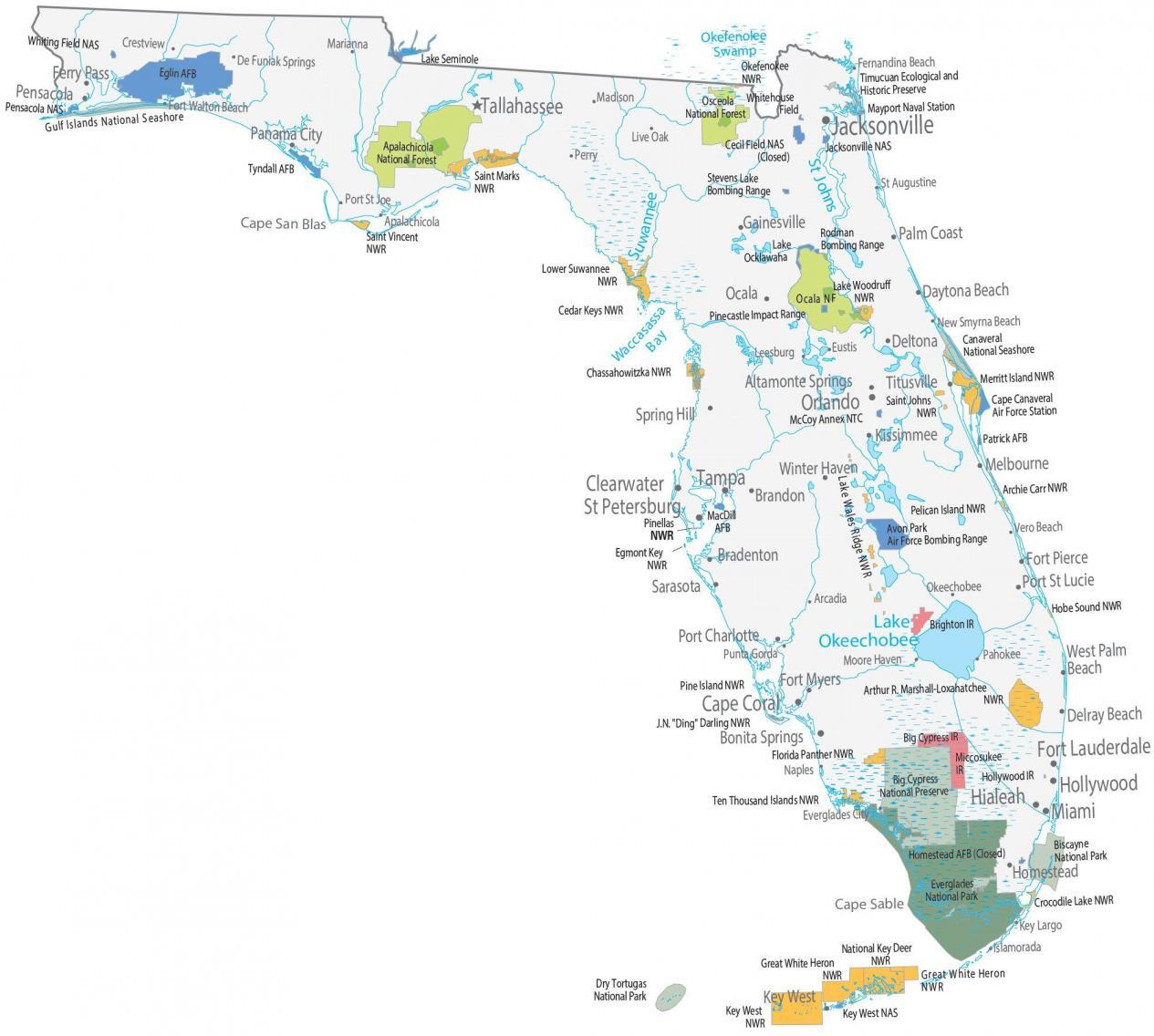
Deputies across counties like Pasco, Volusia, and Polk have grown accustomed to writing reports that read like dark comedy scripts. Suspects routinely offer law enforcement officers elaborate excuses, ranging from paranormal interference to canine telepathy, all of which end up immortalized in public databases.
Classic Escape Strategies That Failed
Escaping from local authorities takes careful planning, yet mid-summer blotters feature an array of half-baked getaways that defy basic physics and common sense. Officers frequently encounter suspects attempting low-speed vehicular escapes, aquatic evasion tactics, or disguises that draw more attention rather than less.
When a pursuit begins on foot or via unconventional transit, the outcome is usually predictable. Past blotters feature individuals trying to outrun cruisers on riding lawn mowers, motorized shopping carts, or bicycles missing essential parts.
"Instead of stopping the car like a normal adult, the suspect decided to play a real-life version of Frogger across a major interstate," noted one sheriff's office incident recap.
Such attempts inevitably conclude with a quick trip to the county jail, commonly referred to locally by nicknames like the Polk Pokey, where defendants have plenty of time to reflect on their transit choices.
The Legal and Cultural Impact
While the internet treats these moments as entertainment, local courts and defense attorneys face real statutory challenges. Charges ranging from resisting an officer with violence to grand theft carry severe legal consequences, regardless of how comical the execution might appear on camera.
Furthermore, public defenders often navigate unique psychological evaluations when clients attribute their actions to supernatural forces or bizarre misinterpretations of the law. The state's judicial system handles thousands of routine cases daily, but the eccentric outlier cases shape the state's global caricature.
According to data compiled by the Florida Department of Law Enforcement, property crimes and substance-related infractions make up the bulk of summer arrests, though alcohol and heat intoxication frequently amplify poor decision-making.
Frequently Asked Questions
Why are there so many weird arrest stories from Florida?
The high volume of eccentric news stems directly from Florida's public records laws. Because arrest affidavits and police logs are immediately accessible to journalists and the public, unusual crimes gain widespread visibility that similar incidents in other states avoid.
Are these viral police reports actually real?
Most circulating stories are documented facts sourced directly from official sheriff office logs, bodycam footage, and municipal court filings. However, satirical websites and generative AI frequently mix fake stories into the ecosystem, making verification through official channels essential.
What is the Sunshine Law?
Enacted in 1909, Florida's Government in the Sunshine Law guarantees public access to governmental proceedings and records at both the state and local levels, setting a national benchmark for government transparency.
Do suspects face harsher penalties if their crimes go viral?
Judges base sentences on statutory guidelines, criminal history, and the specifics of the offense, not internet popularity. While public embarrassment comes with viral coverage, legal penalties remain bound by standard state statutes.


