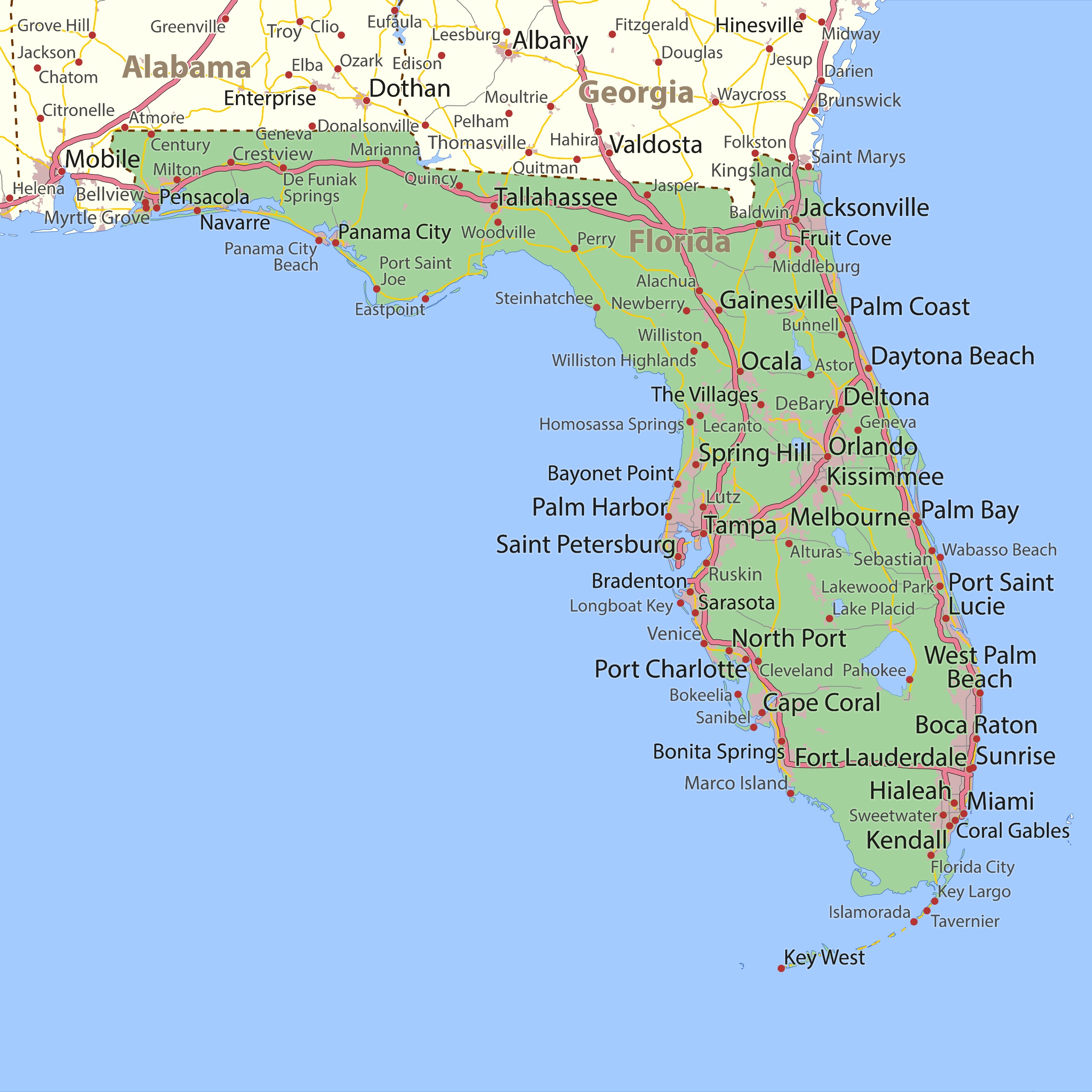
The phrase Florida Man functions as a ubiquitous internet meme, shorthand for a bizarre news story involving eccentric criminal behavior or absurd public antics in the Sunshine State. While viral templates often treat any date on the calendar as a showcase for these headlines, the real story behind the trend involves a unique intersection of state public records laws, digital media aggregation, and local police reporting. Understanding how these stories capture global attention requires peeling back the layers of viral entertainment to look at actual media structures.
The Public Records Law That Created Florida Man
The primary driver behind the sheer volume of wild headlines originating from Florida isn't necessarily an inherently eccentric population, but rather the state's uniquely transparent legislation. Florida's Sunshine Law, codified in Chapter 119 of the Florida Statutes, grants public access to governmental records. This framework applies broadly to police reports, arrest affidavits, and booking logs from local law enforcement agencies across the state.
Unlike many other jurisdictions where mugshots and police reports remain restricted or harder to access prior to formal conviction, Florida police departments make arrest records immediately available to journalists and online aggregators. When an individual is booked into a county jail, reporters can pull the narrative details of the arrest within hours.
- Immediate access: Reporters don't have to wait for trial dates to see why someone was arrested.
- Open narrative reports: Probable cause affidavits often contain direct, unedited quotes from suspects and arresting officers.
- Media centralization: Wire services and local news stations routinely publish these minor, unusual local blotter items online.
This transparency creates a continuous feed of strange occurrences. A minor disturbance at a convenience store or an unusual neighborhood dispute in Polk County becomes immediately visible to anyone monitoring police scanners or county jail databases.
How Local Blotters Turned Into a Global Meme
The transition of local news items into a global internet phenomenon began around 2013, accelerated by social media platforms like Twitter and Reddit. Accounts dedicated entirely to tracking absurd headlines transformed scattered police blotter items into a collective cultural game. Users began searching their birthdays alongside the phrase to see what bizarre crime happened on their special day, turning local law enforcement reports into gamified entertainment.
Aggregator sites and social media pages capitalized on this engagement loop. Because outlandish stories drive clicks, shares, and ad revenue, digital publishers began selectively highlighting the most surreal incidents. The repetitive use of the specific two-word construction in news leads—such as "Florida man arrested after..."—standardized the meme format.
Over time, the meme detached itself from individual reality and became a caricature. Readers often assume the state operates under different physical or social laws, while media analysts recognize it as a byproduct of open-government reporting combined with internet virality.
Realities of Local Journalism and Public Exposure
While the meme provides endless online humor, it intersects with serious questions regarding privacy, mental health, and the ethics of digital shaming. Many individuals featured in these viral headlines deal with severe substance abuse, homelessness, or untreated mental health conditions.
When a local misdemeanor—such as trespassing with an unusual prop or getting into an absurd argument—gets picked up by national aggregators, the subject faces digital permanence. A local arrest that might have once remained a brief paragraph in a small-town newspaper now stays searchable online indefinitely.
- Digital permanence: Mugshots and arrest narratives remain attached to a person's name for years.
- Mental health factors: A significant percentage of bizarre infractions involve underlying psychological crises rather than premeditated malice.
- Stigmatization: The meme format flattens complex human struggles into punchlines for online amusement.
Ethical journalism organizations frequently debate how to cover minor, eccentric crimes without exploiting vulnerable individuals for traffic. As social media algorithms reward shock value, local newsrooms face ongoing pressure to balance public transparency with human dignity.
Frequently Asked Questions
Why do so many weird news stories come out of Florida?
The high volume of strange headlines is largely attributed to Florida's broad public records laws, which allow journalists and the public immediate access to police reports and arrest affidavits. Other states have similar incidents, but their privacy laws often restrict access until later in the legal process.
Is Florida Man a real person?
No, Florida Man is not a single individual. It is a collective caricature and internet meme representing any unnamed male resident of Florida who becomes the subject of a bizarre or humorous news headline.
When did the Florida Man internet meme start?
While odd news stories from the state have circulated for decades, the specific internet meme gained mainstream traction around 2013 through dedicated social media accounts, Twitter bots, and viral search challenges.
Do other states have similar public records laws?
Some states offer broad access, but Florida's Sunshine Law is uniquely comprehensive and aggressively enforced, making it exceptionally easy for media outlets to acquire raw police narratives in real time.
How do journalists find these stories?
Reporters and automated bots monitor county jail booking logs, police Twitter feeds, and local sheriff department blotters daily, filtering for unusual keywords or bizarre circumstances that appeal to online readers.



