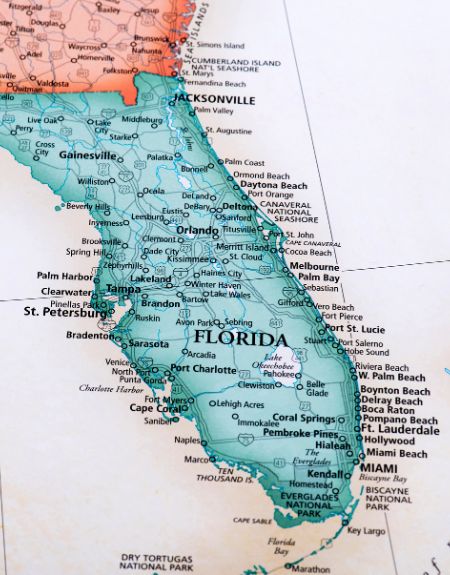
When a holiday calendar hits December 27, the post-Christmas lull typically creates a vacuum in local news cycles. That quiet window got shattered when a headline-grabbing incident merged the internet's favorite meme with real-world municipal disruption. A parade float takeover in Florida transformed a routine local birthday observation into an instant digital spectacle, raising fresh questions about public safety protocols and how digital folklore shapes everyday civic life.
Understanding this phenomenon requires looking past the viral punchlines to examine how media ecosystems and holiday downtime collide. Local authorities faced a logistical puzzle as crowds and camera phones amplified a stunt that blurred the line between harmless holiday prank and public disturbance.
Anatomy of the December 27 Incident
The commotion centered on a mid-sized county hosting its annual year-end civic procession. According to local reporting, a man in his early forties managed to insert himself into the lineup under the guise of an event volunteer. Rather than marching in step with the scheduled program, he accessed the sound system of a featured float, disconnecting the programmed audio and replacing it with a continuous loop of his own personal birthday messages.
Bystanders captured the disruption on mobile phones, immediately uploading clips that fueled online algorithms. For onlookers, the scene offered a surreal mix of comedy and confusion. While some participants laughed off the interruption as an impromptu performance art piece, security personnel viewed it as a breach of public order that required immediate intervention.
Municipal codes regarding public disturbances and unauthorized use of civic property led to the man's quick removal from the procession. Officials later noted that no formal structural damage occurred, but the temporary halt to traffic and scheduled broadcasting triggered an operational review among event planners.
The Origins and Mechanics of Florida Man Lore
The viral footprint of these stories relies on a very specific cultural architecture. The "Florida Man" archetype functions as a digital-age folk hero whose antics mix absurdity, audacity, and poor decision-making into bite-sized internet commentary.
Media analysts point out that the Sunshine State's unique public records laws play a major role in keeping these stories accessible to journalists and readers across the globe. Because arrest affidavits and incident reports are instantly available to the press, unusual behavior gets documented and published faster than in jurisdictions with stricter privacy constraints.
When an eccentric event lands on a slow news day like December 27, it enters an amplifier. Social media platforms reward shock value and novelty, turning isolated local infractions into viral sensations within minutes.
The Impact on Local Governance and Public Events
Municipal planners face a distinct challenge when managing large public gatherings in an era where anyone with a smartphone can alter the script of an official event. Parades and civic festivals rely on volunteer goodwill, precise timing, and predictable crowd behavior to run smoothly.
When an individual treats a public celebration as a personal stage, organizers must balance public safety with the desire to keep community events open and accessible. In response to the parade incident, regional officials discussed several operational adjustments for future gatherings:
- Enhanced vetting and identification for event volunteers working near staging areas and sound systems.
- Clearer protocols for security personnel to address unauthorized intrusions without escalating crowd tension.
- Improved communication channels between float marshals and local emergency management teams.
These measures highlight a broader trend where public administrators must factor digital clout and impromptu prank culture into traditional risk management frameworks.
Separating Myth from Reality in Viral News
Internet culture thrives on exaggeration, and headlines involving eccentric local behavior frequently blur the boundary between verified facts and embellishment. When a story spreads across platforms like X, TikTok, and Reddit, details often shift to maximize comedic impact.
For instance, initial online commentary about the parade takeover suggested a coordinated flash mob or a prolonged standoff with police. Official incident reports clarified that the disruption lasted less than ten minutes and ended with a peaceful escort away from the route. Recognizing this gap between digital narrative and reality helps communities respond to viral moments with proportion rather than panic.
For further context on how public records shape state media landscapes, the First Amendment Foundation provides detailed resources on open government laws, while the Pew Research Center offers ongoing analysis of how social media algorithms amplify viral news trends.
Frequently Asked Questions
Why do bizarre news stories often peak around late December?
The week between Christmas and New Year's Day is historically slow for business, government, and hard news. Media outlets often look for lighter, highly engaging human-interest stories to fill programming gaps, giving unusual local incidents much wider visibility than they might receive during a busy legislative session.
Are Florida open records laws unique compared to other states?
Yes. Florida's Sunshine Law provides exceptionally broad public access to government meetings and records, including police reports and arrest logs, often making local incidents available to reporters almost immediately.
Did the individual face criminal charges for the parade incident?
Local authorities issued citations for disturbing the peace and unauthorized use of public event infrastructure, but the incident was treated as a misdemeanor level disturbance rather than a major criminal offense.
How are cities changing security for public parades?
Many municipalities are updating volunteer clearance procedures, restricting unmonitored access to main stage audio equipment, and establishing direct radio links between event marshals and local law enforcement to handle disruptions quickly.



