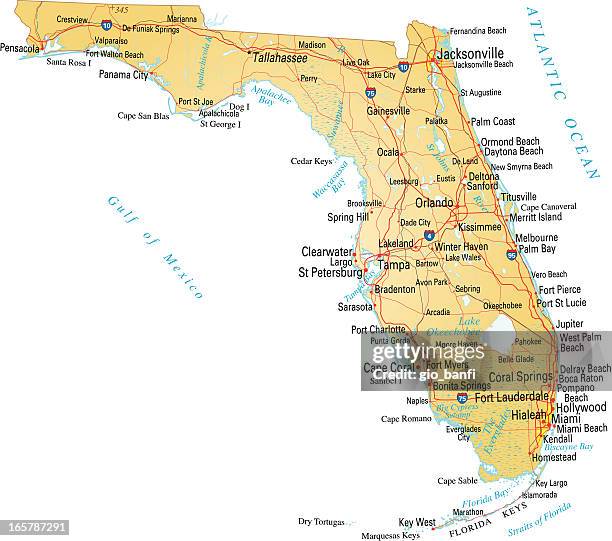
Internet culture loves a good oddity, and few phenomena capture the public imagination quite like the ongoing chronicle of bizarre headlines originating from the Sunshine State. Long before viral social media accounts aggregated these strange occurrences into daily entertainment, specific dates held unique places in news archives. When people look back at weird historical news, certain timestamps pop up with unexpected persistence, drawing curiosity about what actually happened on ordinary days that later gained notoriety.
Understanding why specific past dates capture attention requires looking beyond the punchline. Headlines involving eccentric individuals aren't just modern memes; they form a long-running tapestry of local reporting that reflects the unique open-records laws of a specific southern state. Let's examine how these stories emerge, the reality behind archived oddities, and why the public fascination with eccentric local reporting refuses to fade.
The Origins of Sunshine State News Quirks
To understand how bizarre local reporting became a cultural touchstone, you have to look at the legal framework that makes these stories so accessible. Freedom of information laws in certain jurisdictions allow journalists and the public to access police reports almost immediately upon arrest. This high level of transparency means that routine bizarre behavior, strange disputes, and unusual petty crimes get documented with striking speed and detail.
Most states protect certain details until a trial concludes or seal records under specific privacy thresholds. In contrast, the Sunshine State makes arrest affidavits and incident reports readily available to media outlets. Because local newsrooms historically competed for attention in a crowded media market, reporters quickly realized that bizarre, colorful, and unusual human behavior drove newspaper sales and website clicks. Over decades, this created a distinct media ecosystem where eccentric stories received prominent placement rather than getting buried in the back pages. Further analysis regarding this has been shared by BBC.
How Public Records Shape Media Coverage
The relationship between transparency and media sensationalism is direct. When an incident occurs, the raw police narrative is often published with minimal filtering. This results in direct quotes from officers describing absurd situations, such as individuals attempting to pay for fast food with exotic animals or engaging in high-speed pursuits on riding lawnmowers.
Readers often wonder if these incidents are statistically more common in certain geographic areas, or if the reporting simply creates a skewed perception. Criminologists and sociologists generally agree on the latter. The high volume of unusual headlines doesn't necessarily mean citizens in the region are inherently more eccentric than people anywhere else. Instead, the combination of a large population, a year-round warm climate that keeps people outdoors, and uniquely permissive public records laws creates a steady pipeline of bizarre news.
Examining the Historical Context of December 21, 2004
When researchers or curious internet users dig into archives for specific historical dates like December 21, 2004, they often find a mix of mundane local briefs and peculiar police blotter entries. On any given Tuesday in December, police departments across major metropolitan areas handle hundreds of routine calls. Among domestic disputes, traffic stops, and petty thefts, a handful of genuinely bizarre incidents inevitably occur.
In mid-2000s media, online aggregation had not yet centralized every quirky local story into a single viral feed. Instead, these items lived in local newspaper archives, local television station websites, or niche wire service briefs. A bizarre arrest report from late December 2004 might have made a brief appearance on page A4 of a regional newspaper before fading into obscurity, only to be rediscovered years later by digital sleuths looking for historical oddities.
The Evolution of Viral Eccentricity
Before the dedicated social media accounts of the 2010s popularized the structured meme format, strange news traveled by word of mouth, early forums, and email forwarding chains. Readers would clip funny newspaper columns and tape them to office refrigerators.
- Early Internet Forums: Communities on sites like Fark or early Reddit boards shared unusual local news clippings as early forms of viral content.
- The Shift to Aggregation: Dedicated feeds eventually transformed scattered local briefs into a unified cultural phenomenon.
- Meme Culture: The transformation of a local news genre into a collective running joke changed how journalists frame these stories.
This evolution shifted local police blotters from local-interest fillers into national entertainment. When people search for archives from specific days, they're often hunting for that specific brand of authentic, unpolished human absurdity that predates modern clickbait optimization.
Common Misconceptions About Local News Archives
When people encounter old headlines or unverified blog posts referencing specific dates, several myths tend to circulate. Separating reality from internet exaggeration is essential for understanding how news reporting actually works.
Many readers assume that every wild headline they see online is a recent event, failing to check the publication date. Older stories frequently get recirculated on social media platforms without their original timestamps, making a bizarre incident from two decades ago appear as though it happened yesterday. Furthermore, internet rumors sometimes embellish basic police reports, adding fictional details to make a mundane misunderstanding sound like a cinematic comedy sketch.
Verifying Historical Incident Reports
If you're researching old local news, relying on unverified social media screenshots is a recipe for misinformation. Reliable research requires consulting archived editions of newspapers, official municipal court records, or verified wire service databases.
- Check the Timestamp: Always look for the original publication date before sharing or analyzing an old news story.
- Consult Primary Records: Cross-reference viral claims with official police department logs or court filings when available.
- Beware of Satire: Many viral stories that sound unbelievable originate from satirical websites rather than actual police blotters.
Frequently Asked Questions
Why do so many weird news stories come from the same southern state?
The high frequency of eccentric news stories is largely driven by state public records laws that grant journalists immediate access to police reports and arrest affidavits, combined with a large population and year-round outdoor activity.
Are these bizarre incidents actually more common there?
Statistical analyses suggest they aren't necessarily more frequent. The perception of higher frequency is a byproduct of media visibility and transparent reporting laws rather than unique regional behavior.
How can I check if an old news headline is real?
You can verify historical news by searching newspaper archive databases like Newspapers.com, checking municipal court records, or looking for reporting from reputable mainstream news outlets that covered the original incident.
What changed about how media reports minor crimes?
Modern digital journalism relies heavily on search engine optimization and viral social media traction, which encourages outlets to highlight quirky, human-interest police blotter items that older print newspapers might have relegated to small briefs.



