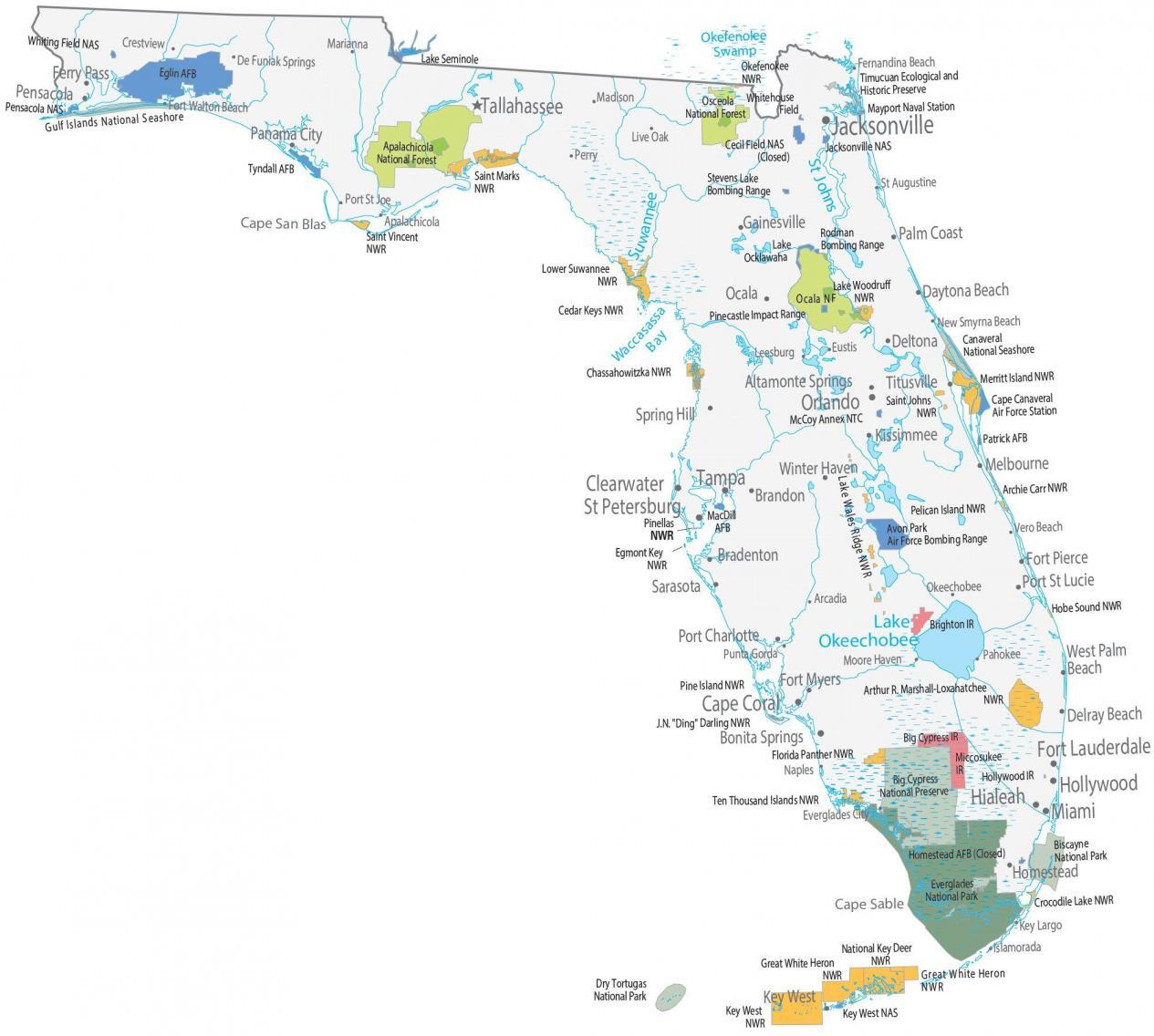
The "Florida Man" meme turned local police blotters into global digital folklore. When internet users type their date of birth alongside the phrase into a search engine, they uncover an astonishingly bizarre headline matching that exact calendar day. This phenomenon isn't just about random chaos; it is driven by specific open-government laws, media incentives, and a collective hunger for stranger-than-fiction entertainment.
Understanding why these stories capture our attention requires looking past the punchline. From quirky public disputes to wildlife encounters at fast-food drive-thrus, the mechanics of these headlines reveal how modern viral culture operates. Let's examine how the trend started, why Florida generates so much bizarre news, and how to navigate the archives safely.
The Mechanics Behind the Meme
The viral appeal of searching for birthday headlines relies on personalization. When a user finds a bizarre police report from their exact day of birth, it creates an immediate, humorous connection. Social media platforms like X (formerly Twitter) and TikTok transformed these daily police blotter items into a viral game where participants try to outdo each other's absurd finds.
Yet, the phenomenon runs deeper than simple internet amusement. It taps into a psychological craving for anomalies. Standard news feeds are heavy and repetitive. A short vignette about someone attempting to pay for a meal with live iguanas offers a surreal break from routine stress. More information on this are covered by Associated Press.
Why Florida Dominates the News Cycle
A common misconception suggests that residents of the Sunshine State are inherently stranger than people living elsewhere. In reality, the high volume of eccentric headlines comes down to state law.
Florida's Public Records Law—specifically Chapter 119 of the Florida Statutes—is among the most transparent in the United States. Often called the Sunshine Law, it grants journalists and citizens broad access to state and local government records.
- Immediate Access: Arrest affidavits and police reports are made available to reporters almost instantly, often within hours of an incident.
- No Red Tape: Law enforcement agencies cannot easily withhold baseline details of minor infractions, making it simple for reporters to secure vivid quotes and mugshots.
- Media Aggressive Reporting: Local news outlets leverage this fast access to publish raw, unedited blotter items that quickly catch fire online.
In states with tighter privacy restrictions or delayed police reporting, similar eccentric events occur daily. However, they rarely enter the public domain with the speed required to feed the 24-hour news cycle. According to the Society of Professional Journalists, open government laws are vital for accountability, but they also create a unique side effect when paired with viral digital media.
Categorizing the Classic Tropes
Reviewing archives across various months reveals recurring themes in these viral reports. Most incidents fall into distinct categories that guarantee high engagement on social platforms:
- The Wildlife Intrusion: Encounters involving alligators, iguanas, or exotic pets in places they shouldn't be, such as convenience store beer coolers or drive-thru lanes.
- Improvisational Transportation: Attempts to operate unusual vehicles—ranging from motorized grocery carts to stolen construction bulldozers—on public roadways.
- Domestic Disputes Over Fast Food: Heated arguments breaking out over missing french fries, incorrect condiment packets, or late-night pizza deliveries.
These scenarios often feature a profound lack of situational awareness combined with immense confidence, which makes them prime material for internet humor. For further reading on how viral trends influence modern media consumption, check out insights from the Pew Research Center.
Navigating Viral Archives Responsibly
While searching for birthday headlines is harmless fun, diving into unfiltered police records requires a bit of digital literacy. Not every screenshot floating around social media is authentic.
Spotting Fabricated Headlines
Meme creators frequently generate fake images mimicking local news broadcasts. To verify a claim, look for specific details like a named law enforcement agency or a distinct county court reference. Real reports always anchor themselves in a specific jurisdiction, whereas fake ones remain vague to avoid quick debunking.
Balancing Humor and Empathy
Many police blotter items involve individuals experiencing mental health crises, substance abuse struggles, or severe personal distress. The line between lighthearted observation and exploitation can blur quickly. Choosing to focus on property mishaps or absurd animal encounters rather than severe harm keeps the tradition light and community-friendly.
Frequently Asked Questions
Is the birthday challenge trend based on real news?
Yes. Most viral headlines originate from verified local police reports and arrest affidavits made public under Florida's sunshine laws. However, users should always cross-reference viral social media posts with established regional newspapers like the Miami Herald to confirm authenticity.
Why do these specific stories spread so fast online?
The combination of rapid public record access, colorful local journalism, and algorithmic amplification creates a perfect loop for viral sharing. People enjoy sharing surreal anomalies to break up monotonous digital feeds.
Are all reported incidents recent?
No. Archives span decades of local reporting. When users look up a specific date, results often pull from archives dating back to the early 2000s or 1990s alongside recent updates.
Does every state have equivalent public record laws?
While all states operate under federal and state freedom of information acts, Florida's implementation grants unusually swift, unrestricted digital access to raw police blotters compared to jurisdictions with stricter privacy buffers.



