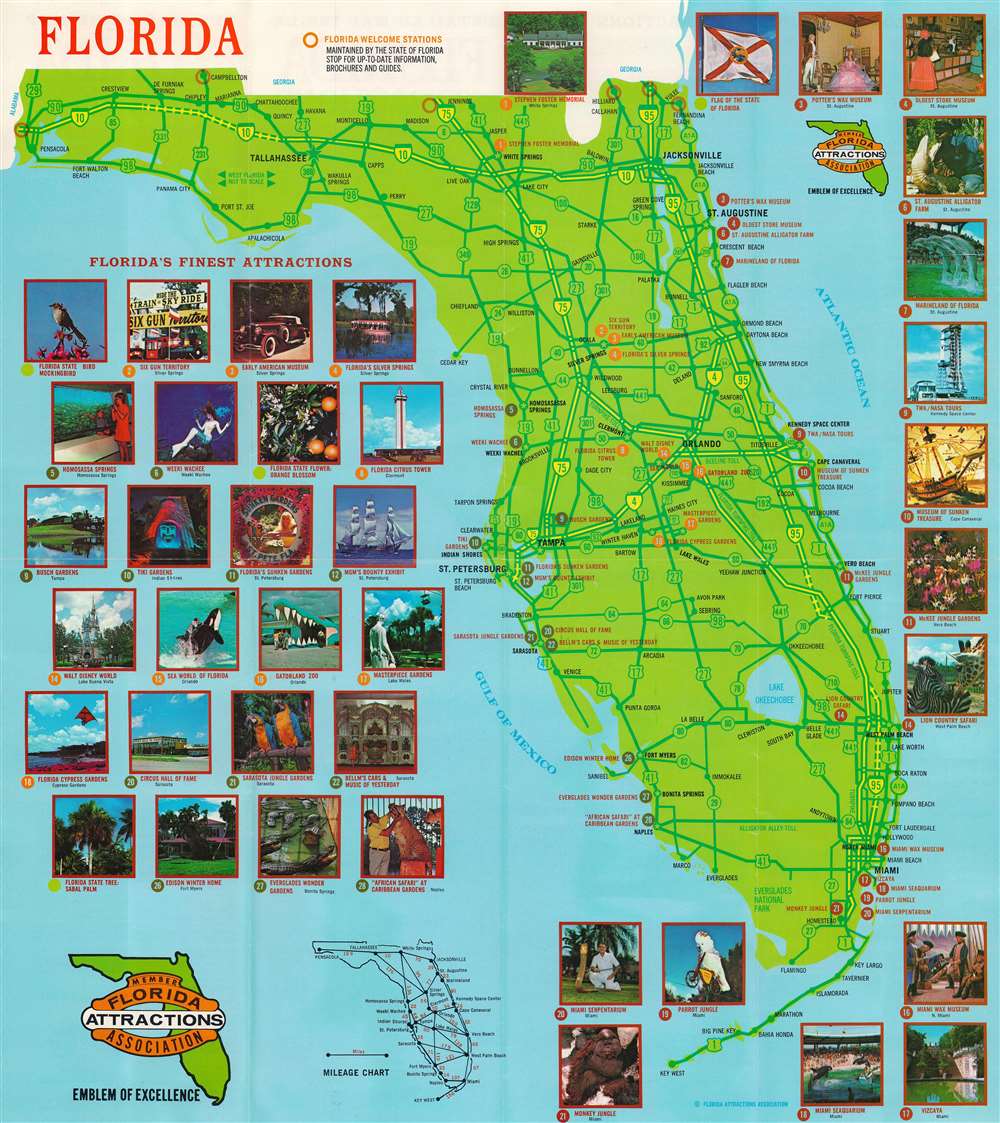
Planning a winter escape to the Sunshine State requires understanding that weather patterns vary wildly depending on your latitude. Florida January temperature ranges from crisp mornings in the panhandle to beach-ready warmth in the keys, meaning a blanket packing list simply won't work. While northern cities like Jacksonville experience chilly mornings that demand a real jacket, Miami and Key West stay mild enough for light layers and afternoon sun. Knowing what to expect across different regions prevents packing mistakes and helps you make the most of your trip.
The state experiences its coolest month of the year during January, but it's relative. Freezing days happen occasionally inland or up north, yet southern beaches still draw swimmers brave enough to handle brisk Atlantic or Gulf waters. This guide breaks down regional temperature differences, what you actually need to pack, and how to navigate winter cold snaps without ruining your itinerary.
Regional Breakdown of Florida January Temperatures
Florida spans more than four hundred miles from north to south, creating distinct climate zones. Looking at state averages won't help you plan a specific trip because Orlando feels entirely different from Pensacola or Marco Island in the dead of winter.
North Florida and the Panhandle
North Florida—including Pensacola, Tallahassee, and Jacksonville—experiences true winter weather. January daytime highs average around 62 degrees Fahrenheit (17 degrees Celsius), while overnight lows frequently drop into the low 40s or even upper 30s. Frost isn't uncommon on calm, clear mornings. If you're visiting historical sites in St. Augustine or hiking in the panhandle, you'll want a heavy sweater, a windproof jacket, and long pants for most of the day.
Central Florida and Theme Park Country
Central Florida, home to Orlando, Tampa, and Daytona Beach, sits in a transitional zone. Afternoon highs usually hover comfortably around 71 to 73 degrees Fahrenheit (22 to 23 degrees Celsius), making it ideal for walking around theme parks or exploring outdoor markets without overheating. However, early mornings and late nights see temperatures plunge to the low 50s or high 40s. Standing in line for a roller coaster after sunset requires a fleece or jacket.
South Florida and the Keys
South Florida maintains a subtropical profile year-round. Miami, Fort Lauderdale, and Key West boast average January highs of 75 degrees Fahrenheit (24 degrees Celsius) or higher, with overnight lows rarely dipping below 64 degrees Fahrenheit (18 degrees Celsius). This region offers the most reliable warmth for beach days, boat trips, and open-air dining. While a rare cold front can push daytime temperatures down temporarily, South Florida remains a dependable haven from northern winter weather.
Water Temperatures and Swimming Conditions
One of the most common questions travelers ask involves ocean comfort during the winter months. Because water retains heat longer than land, coastal temperatures depend heavily on recent cold fronts and shallow versus deep coastal shelves.
- Atlantic Coast (Miami, Palm Beach): Ocean temperatures typically hover between 70 and 75 degrees Fahrenheit. It's refreshing and definitely swimmable for hardy visitors, though hotel pools heated to comfortable levels are often preferred.
- Gulf Coast (Naples, Fort Myers, Clearwater): The Gulf is generally shallower and cools down faster than the open Atlantic, with January water temperatures averaging around 64 to 68 degrees Fahrenheit.
- The Keys: Offering the warmest waters in the state, the Florida Keys stay around 72 to 75 degrees Fahrenheit, making snorkeling and diving viable on sunny afternoons.
Check out the current marine forecasts and conditions via the National Oceanic and Atmospheric Administration before booking water-heavy itineraries.
What to Pack for a January Trip
Packing for Florida in January means embracing layers. Throwing only swimsuits and tank tops into your suitcase leaves you shivering during evening dinners or morning walks.
- Base Layers: Pack breathable short-sleeve shirts, t-shirts, and a few pairs of shorts or light linen pants for warm afternoon peaks.
- Warm Layers: Bring a versatile mix of cardigans, hoodies, or denim jackets. A lightweight packable windbreaker shields you against chilly coastal breezes.
- Bottoms: Jeans, utility pants, or heavier leggings work well for cooler evenings across all regions.
- Footwear: Comfortable walking sneakers are essential for theme parks or city exploration, alongside sandals or casual slip-ons for warmer days.
- Sun Protection: The winter sun sits lower in the sky, but UV rays still burn skin quickly—especially near reflective water or sand. Pack polarized sunglasses, sunscreen, and a wide-brimmed hat.
Common Mistakes Travelers Make
Misjudging the climate leads to predictable travel frustrations. Avoid these frequent missteps to ensure a smooth vacation.
- Assuming it's hot everywhere in the state: Travelers heading to Orlando or Jacksonville often pack strictly summer wardrobes, only to buy overpriced sweaters at gift shops when a cold front arrives.
- Ignoring indoor air conditioning: Florida venues crank up the AC even in winter. Indoor restaurants and theaters can feel surprisingly brisk after being out in the mid-70s sun.
- Failing to check hotel pool heating: Not all resort pools are heated. If swimming is a priority for your family, verify with your accommodation beforehand.
- Underestimating the windchill: Breezes off the ocean or across open theme park plazas make 65 degrees feel much cooler. Windbreakers change the entire experience.
For official state park information and winter camping reservation details, consult the Florida Department of Environmental Protection.
Frequently Asked Questions
Is January a busy time to visit Florida?
Yes. January marks peak season for many snowbirds escaping northern winters, as well as visitors taking advantage of mild weather. Expect higher crowds around major attractions, particularly during holiday weekends like Martin Luther King Jr. Day.
Does it ever snow in Florida during January?
Snow is exceptionally rare. While northern panhandle locations have recorded trace flurries historically during severe polar vortex events, accumulating snow is virtually non-existent for the vast majority of the state.
Can I wear shorts during the day in January?
In Central and South Florida, shorts are comfortable during peak afternoon hours on most days. In North Florida, shorts are usually reserved for warmer afternoons, while pants remain the standard choice.
How often does it rain in January?
January is historically one of the driest months of the year for Florida. Rainfall occurs primarily when occasional cold fronts pass through, bringing brief showers followed by crisp, clear skies.
Are theme parks crowded in January?
The weeks immediately following New Year's Day see a significant drop in theme park crowds compared to the holidays. However, weekends remain steady, and special events or festivals at destinations like Walt Disney World keep attendance consistent.


