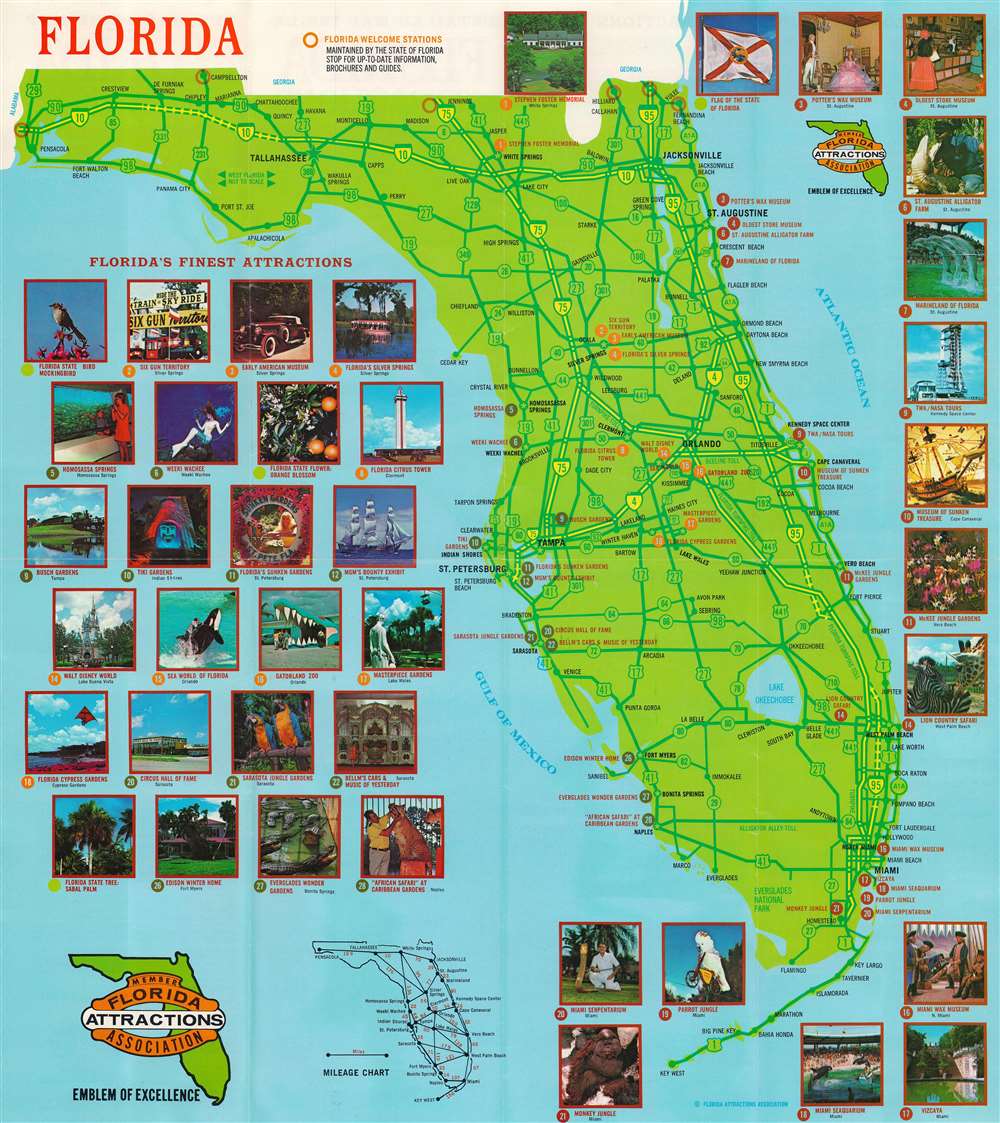
Florida hurricane season runs annually from June 1 through November 30, with historical activity peaking from mid-August through late October. During these months, warm Atlantic and Gulf waters create favorable conditions for tropical storms and major hurricanes. Expect heavy rainfall, destructive storm surges, and sustained high winds that frequently cause extended power outages and property damage across coastal and inland communities.
Navigating this season requires practical preparation well before a storm forms in the tropics. Waiting until a system enters the Gulf or threatens the peninsula means facing long lines, empty store shelves, and frantic last-minute evacuations. Knowing what to expect allows you to safeguard your home, secure essential supplies, and protect your family long before warnings are issued.
Understanding the Season Timeline and Peak Risks
The six-month Atlantic hurricane season follows a distinct climatological curve. June and July typically see slower, localized tropical development, often originating in the Gulf of Mexico or the western Caribbean. Storms during this early phase tend to be smaller, though they still dump torrential rain and cause localized flash flooding.
Activity ramps up sharply by August, leading into the peak window between mid-August and late October. The climatological peak occurs around mid-September, when ocean temperatures reach their maximum warmth and atmospheric wind shear drops. During this stretch, major hurricanes capable of rapid intensification become a primary concern. November marks the tail end of the season, where cooler fronts and shifting wind patterns generally push tropical threats back into the Caribbean or out into the open Atlantic.
Essential Pre-Season Checklist
Preparation starts before the first storm name is assigned. Building an effective readiness routine eliminates guesswork when a threat materializes.
- Stock a minimum of seven days of essential supplies, including non-perishable food and bottled water (calculate one gallon per person per day).
- Keep vital documents—such as insurance policies, property deeds, medical records, and identification—in a portable waterproof container.
- Maintain a cash reserve in small bills, as power outages disable credit card terminals and ATMs.
- Inspect your roof, clean gutters, and trim dead tree limbs that could damage your structure during high winds.
- Test your generator, verify fuel supplies, and ensure you have heavy-duty shutters or pre-cut plywood for all windows.
Interpreting Watches and Warnings
Timing your response depends on understanding official alerts from the National Hurricane Center.
A hurricane watch means sustained winds of 74 mph or higher are possible in your area, usually issued 48 hours before tropical-storm-force winds arrive. Treat a watch as your cue to secure outdoor furniture, test emergency gear, and review your evacuation route.
A hurricane warning means hurricane-force winds are expected, typically issued 36 hours in advance. This tight window leaves little room for hesitation. If local officials call for mandatory evacuations, complete your departures immediately.
Home Hardening and Wind Mitigation
Property damage during a hurricane usually stems from two forces: water intrusion and wind pressure. High winds exploit vulnerabilities in your roof, garage doors, and windows.
If wind breaches a window or door, interior pressure spikes, which can lift the roof structure off the walls. Installing impact-resistant windows or rated hurricane shutters protects the building envelope. Reinforcing double-wide garage doors with vertical bracing kits prevents the single most common structural failure point in suburban homes.
For comprehensive mitigation guidelines, review recommendations from the Federal Alliance for Safe Homes to identify structural upgrades that may also lower your wind insurance premiums.
Navigating Power Outages and Generator Safety
Extended blackouts are standard during Florida hurricanes. Relying on portable generators requires strict adherence to safety protocols to prevent carbon monoxide poisoning.
Never run a generator inside a garage, patio enclosure, or near open windows. Position units at least 20 feet away from the structure with the exhaust pointing away from living areas. Keep extra fuel stored safely in approved, sealed containers in a shaded, ventilated outdoor space away from ignition sources.
Post-Storm Recovery and Insurance Claims
When the storm clears, hazards persist in the form of downed power lines, structural instability, and contaminated standing water. Avoid walking or driving through floodwaters, as unseen hazards can hide beneath the surface.
Document every instance of property damage with clear photographs and video before beginning emergency repairs. Track official updates through the National Hurricane Center to monitor ongoing recovery resources and safe re-entry guidelines.
Frequently Asked Questions
When is the most dangerous part of Florida hurricane season?
The peak risk occurs from mid-August through late October, with activity concentrating around mid-September. Warm ocean waters and favorable atmospheric conditions during this window support the formation of major hurricanes.
How many days of supplies should I keep on hand?
Emergency management officials recommend maintaining at least a seven-day supply of food, water, and essential medications. Supply chains often face delays following major storms, making self-sufficiency vital.
Does standard homeowners insurance cover hurricane damage?
Standard policies cover wind damage, but they usually carry a separate, higher percentage-based hurricane deductible. Flood damage—including storm surge—is excluded from standard policies and requires separate coverage through the National Flood Insurance Program.
What should I do if a mandatory evacuation order is issued?
Heed local evacuation orders immediately. Pack your go-bag, secure your home, and follow designated evacuation routes to higher ground or a safe inland destination well before local bridges and roadways close.



