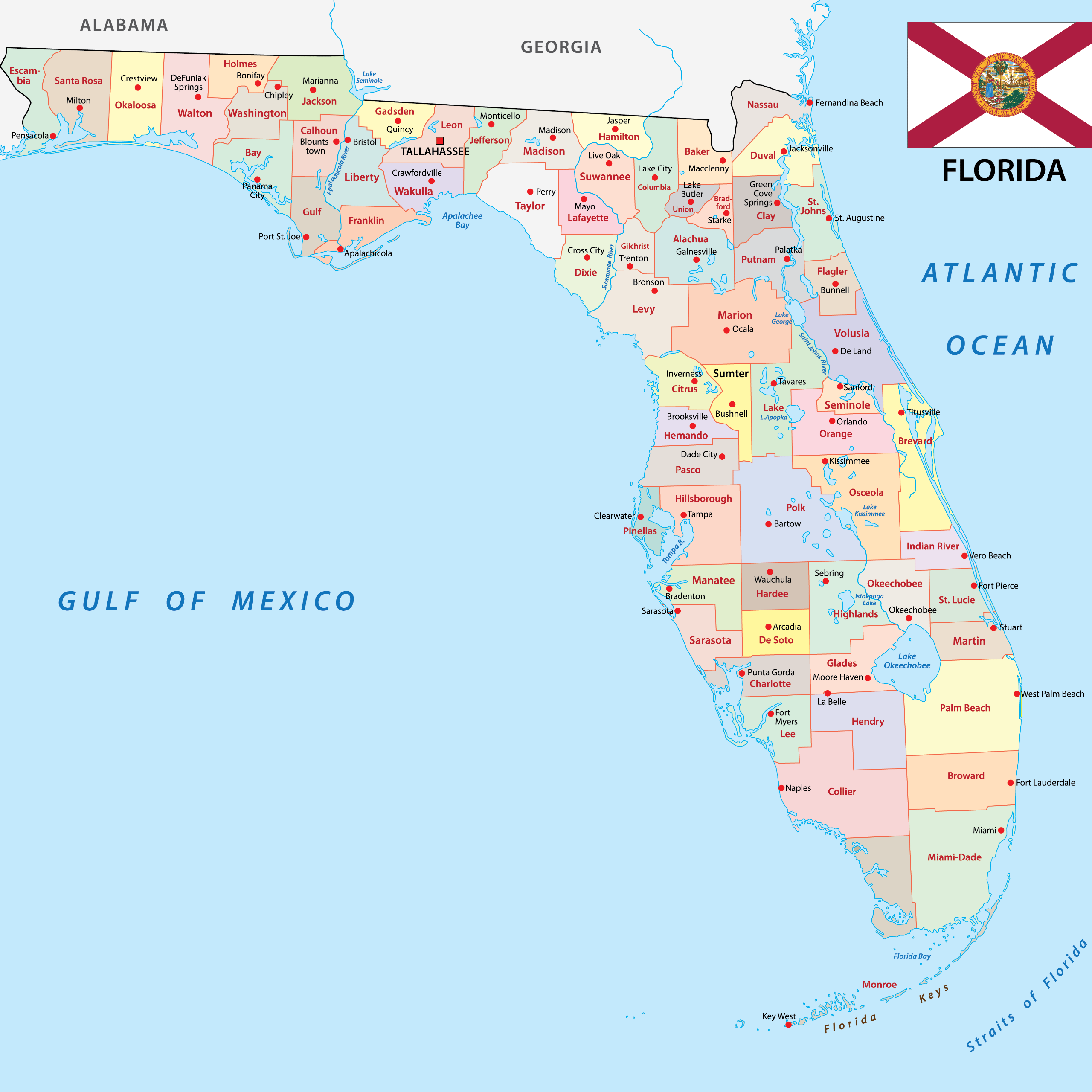
Florida's economic engine runs on a simple formula: zero personal income tax, warm weather, and aggressive pro-business policies. This mix attracts thousands of new residents every week, driving a massive construction boom and transforming cities like Miami into global financial hubs. Yet this rapid influx strains local infrastructure, pushes housing costs out of reach for working families, and accelerates environmental degradation across the Everglades and coastal zones.
Understanding whether this growth model serves as a sustainable blueprint or a temporary mirage requires looking past promotional headlines. The state's heavy reliance on tourism and property taxes creates distinct fiscal vulnerabilities. When hurricanes strike or property insurance markets freeze, the hidden costs of sunbelt expansion emerge. Weighing these trade-offs reveals how the Sunshine State manages the friction between record-breaking population growth and finite natural resources.
The Low-Tax Fiscal Model and Its Hidden Costs
Proponents of the Florida tax structure point to the absence of a state personal income tax as the primary driver of corporate relocations and individual migration. Businesses fleeing higher-tax states find immediate appeal in corporate tax environments designed to encourage capital investment. Workers keeping a larger share of their paychecks fuel consumer spending, keeping retail and service sectors active even during broader national downturns.
That tax relief doesn't disappear; it shifts. Local governments rely heavily on property taxes and consumption taxes like the state sales tax to fund public services. When property values spike, tax bills climb rapidly for homesteaders and renters alike. Lower-income households bear a disproportionate burden under this consumption-heavy system because they spend a larger percentage of their earnings on taxable goods and services. To explore the bigger picture, we recommend the recent report by The New York Times.
This revenue model also leaves municipal budgets exposed to real estate cycles. When property transactions slow down, local agencies face budget shortfalls that can impact school funding, road maintenance, and emergency services. Maintaining infrastructure without a broad-based income tax requires constant population growth to generate fresh revenue, creating a cycle where expansion is necessary just to keep existing services funded.
Real Estate Booms and the Housing Affordability Crunch
The housing market acts as the primary accelerator and shock absorber for the regional economy. During periods of low interest rates, residential and commercial development surges across coastal corridors and central inland regions. Institutional investors and out-of-state buyers snap up inventory, pushing median home prices far above local wage growth.
Construction firms struggle to keep up with demand due to supply chain bottlenecks, labor shortages, and complex zoning regulations. Even when new multi-family units and suburban subdivisions break ground, prices remain high because land acquisition and raw materials cost more than they did a decade ago.
- Rent Burden: Over half of renters in major metro areas spend more than thirty percent of their income on housing.
- Inventory Mismatch: Luxury high-rises multiply while entry-level single-family homes remain scarce.
- Insurance Pressures: Skyrocketing property insurance premiums add hundreds of dollars to monthly housing payments independently of mortgage rates.
When housing costs outpace local salaries, service workers, teachers, and healthcare professionals get priced out of the communities they serve. This displacement creates acute labor shortages in vital industries, forcing businesses to raise wages or rely on automated systems to maintain operations.
Environmental Strain and Infrastructure Deficits
Growth requires concrete, pipes, and electricity, all of which exact a toll on fragile ecosystems. Florida's geography makes it uniquely susceptible to environmental pressures. Expanding suburbs push into wetlands and agricultural acreage, disrupting natural water flow and reducing the land's capacity to absorb heavy rainfall.
Water management remains a central battleground. Decades of drainage for development have compromised the Everglades, leading to toxic algal blooms in coastal estuaries that harm commercial fishing and tourism. State legislators have channeled billions into restoration projects, but infrastructure upgrades often lag behind the pace of new construction.
Climate Vulnerability and the Insurance Crisis
Rising sea levels and more intense tropical storms threaten billions of dollars in coastal real estate. Private insurers respond to this risk by restricting coverage, non-renewing policies, or exiting the state market entirely.
Property owners increasingly rely on Citizens Property Insurance Corporation, the state-backed insurer of last resort. While this backstop prevents a complete market collapse, it concentrates financial risk on taxpayers if a catastrophic hurricane season hits. Fixing this imbalance requires hardening infrastructure against floods and wind, a multi-billion-dollar endeavor that takes years to complete.
Diversifying Beyond Tourism and Construction
To reduce vulnerability to weather shocks and economic downturns, state leaders promote industry diversification. Technology startups, aerospace manufacturing, and international logistics hubs have gained traction outside traditional centers in South Florida.
Miami has worked to establish itself as a center for tech investment and cryptocurrency enterprise, though enthusiasm fluctuates with market cycles. Meanwhile, the life sciences corridor spanning Tampa and Orlando leverages research universities to spin off biotechnology firms and medical device manufacturers.
Workforce development programs aim to bridge the gap between traditional service jobs and high-wage technical roles. Community colleges and vocational schools partner with local employers to offer targeted certifications in green energy, advanced manufacturing, and data management. Whether these initiatives can scale fast enough to support the growing populace remains a central question for economic strategists.
Frequently Asked Questions
Why do people keep moving to Florida despite high housing and insurance costs?
The combination of warm weather, remote work flexibility, and no state personal income tax continues to pull residents from northern states. Even with rising expenses, many relocators find that total living costs compare favorably to high-tax metropolitan areas like New York or San Francisco.
How does Florida fund public services without an income tax?
State and local governments rely primarily on sales taxes, documentary stamp taxes on real estate transactions, corporate income taxes, and local property taxes. Tourism also generates substantial revenue through tourist development taxes levied on hotel stays and short-term rentals.
What is causing the property insurance crisis in the state?
A combination of severe hurricane exposure, high litigation rates involving roof claims, and reinsurers raising global rates has driven private insurers out of Florida or forced them to sharply restrict coverage.
Is agriculture still a major part of the economy?
Yes. Citrus, sugarcane, winter vegetables, and cattle ranching contribute billions annually to the state economy. However, farmers face constant pressure from urban sprawl, water restrictions, and shifting weather patterns.
How is the state addressing infrastructure strain?
Governments at state and local levels are investing heavily in road expansions, public transit updates, and Everglades restoration projects. Funding often comes from federal grants, state surplus funds, and localized infrastructure surtaxes.



