When people picture Florida, they imagine Miami beaches, Orlando theme parks, and keys drenched in late-afternoon sunlight. That lifestyle naturally links in most minds with a single stroke on the clock. Yet, calling Eastern Time the sole hour of the Sunshine State misses a surprising geographic split. While the vast majority of Florida runs on Eastern Standard and Eastern Daylight Time, a distinct western slice of the state operates on Central Time.
Understanding Florida's time configuration requires looking past tourist assumptions and examining the actual state boundaries. Approximately 58 of Florida's 67 counties observe Eastern Time, anchoring major economic hubs like Jacksonville, Tampa, Orlando, and Miami. Meanwhile, the western portion of the Florida Panhandle lives an hour behind. This division means that Florida isn't entirely bound to a single time zone, raising real questions about how the state manages its daily rhythm across two different schedules.
The Geographic Reality of Florida's Time Split
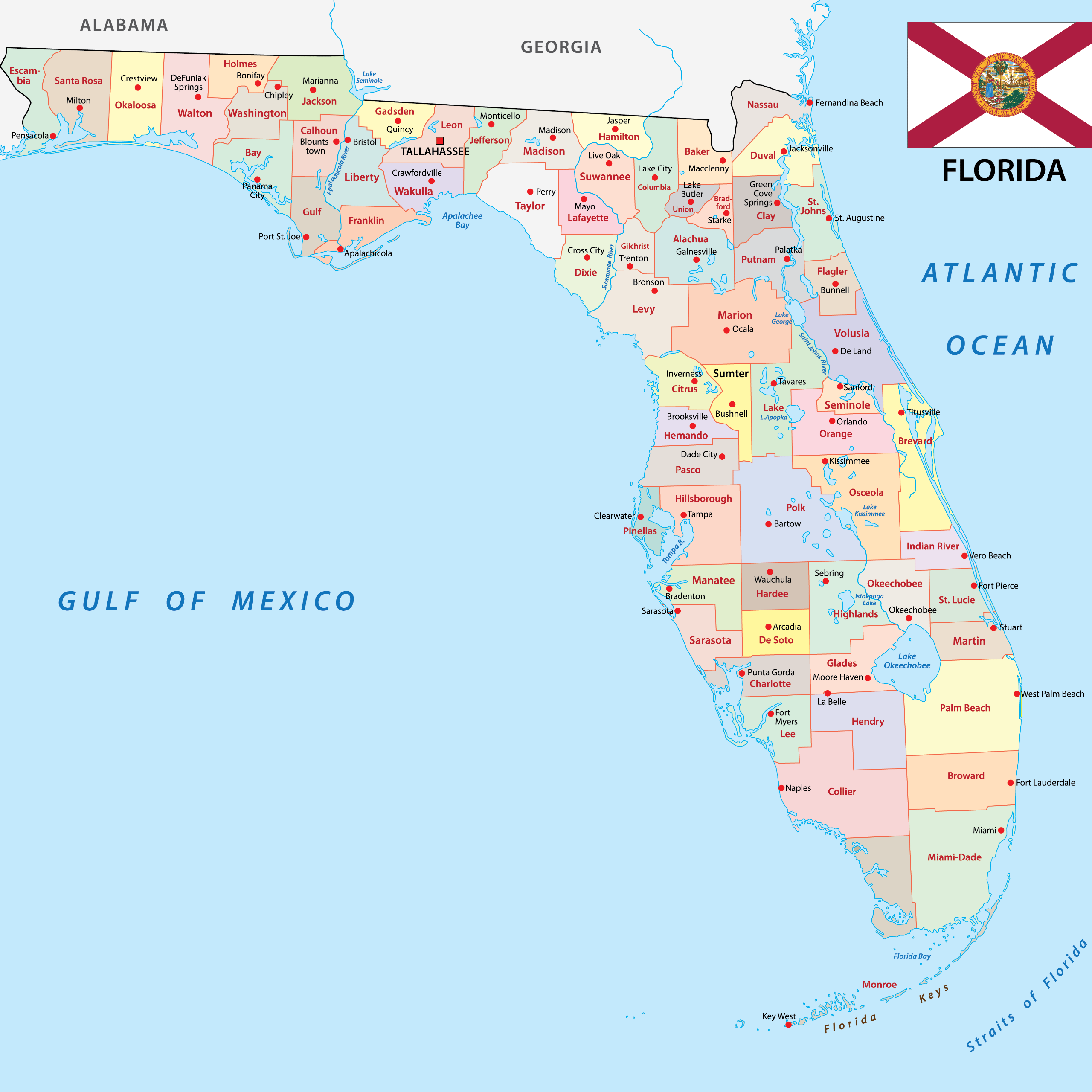
Florida spans a wider longitude than many casual visitors realize, stretching far enough west along the Gulf Coast that a single time zone creates logistical quirks. The official boundary separating Eastern Time from Central Time cuts directly through the Florida Panhandle.
This line primarily follows the Apalachicola River starting from the Georgia border, though it shifts and bends as it moves south toward the coast.
- Eastern Time Zone Counties: Major population centers like Miami, Orlando, Tampa, Tallahassee, and Jacksonville keep the state aligned with the US Eastern seaboard.
- Central Time Zone Counties: Entire western panhandle counties—including Escambia, Santa Rosa, Okaloosa, Walton, Holmes, Washington, and Jackson—run on Central Time.
- The Split County Exception: Gulf County is famously split internally, with its northern section operating on Central Time and its southern coastal communities observing Eastern Time.
According to geographical data maintained by the National Institute of Standards and Technology, official time zone boundaries often evolve to match commerce and transit patterns rather than straight lines of longitude. In Florida's case, railroad access and shipping routes historically dictated where the hour lines fell.
Why the Panhandle Runs on Central Time
The division of the Sunshine State isn't a modern administrative accident. It stems from early twentieth-century railroad logistics and federal oversight. When the United States standardized time zones in the Standard Time Act of 1918, commercial shipping and passenger rail lines needed reliable checkpoints.
Communities in the western panhandle had closer economic and social ties to mobile and industrial hubs in Alabama and Mississippi than to distant South Florida. Aligning Pensacola and surrounding areas with Central Time made practical sense for trade, postal delivery, and train schedules. Over the decades, those patterns stuck, even as Florida grew into a massive economic engine in its own right.
Today, residents crossing the Apalachicola River on Interstate 10 experience an immediate shift in their car dashboards. Driving west moves you back an hour, turning a lunch break into an early morning depending on which side of the river you stand on. You can read more about how US time boundaries are regulated through the Department of Transportation.
Proposals for Statewide Uniformity
Because living with a state divided by time zones creates minor friction for local government, school districts, and television broadcasts, lawmakers occasionally propose unifying the entire state under one clock.
Proponents of moving the entire panhandle to Eastern Time argue that it would simplify commerce, boost tourism by giving visitors an extra hour of evening daylight in the panhandle, and align the entire state with major financial centers.
However, local resistance remains fierce. Residents in Pensacola and Panama City are culturally and logistically integrated with the Central Time Zone. Changing their clocks permanently would push sunrise uncomfortably late during winter months, meaning children would wait for school buses in pitch-black darkness. State legislators have found that while a unified time zone sounds neat on paper, local communities fiercely protect their alignment with their western neighbors.
Common Misconceptions About Florida's Time
Travelers often stumble into scheduling traps because they assume Florida operates uniformly.
- Assuming the whole panhandle is Eastern: Visitors driving from Pensacola to Tallahassee frequently miss flights or hotel check-ins because they forget they are crossing a time zone boundary.
- Overlooking seasonal changes: Like most of the United States, Florida observes Daylight Saving Time. Both the Eastern and Central portions of the state spring forward and fall back together, meaning the one-hour internal gap never changes.
- Confusing geographic location with time zone: Because parts of the Florida Panhandle sit further east than parts of western Ohio (which is in the Eastern zone), people assume time zones should follow pure longitude lines. In reality, legal boundaries follow county lines and rivers for administrative convenience.
Frequently Asked Questions
Does all of Florida observe Daylight Saving Time?
Yes. Every county in Florida, whether in the Eastern or Central Time Zone, springs forward in March and falls back in November in accordance with federal guidelines.
Which major cities in Florida are in the Central Time Zone?
Pensacola, Panama City, and Destin are the largest cities and primary tourism hubs located within Florida's Central Time Zone section.
Why does Gulf County have two different times?
Gulf County is split because commercial and shipping interests historically tied the southern coastal area (like Port St. Joe) to Eastern Time, while the northern inland areas aligned with Central Time.
Is there any serious push to change Florida to year-round Daylight Saving Time?
The Florida legislature previously passed the "Sunshine Protection Act" to keep the state on year-round daylight saving time, but the change requires federal congressional approval, which has not been granted.



