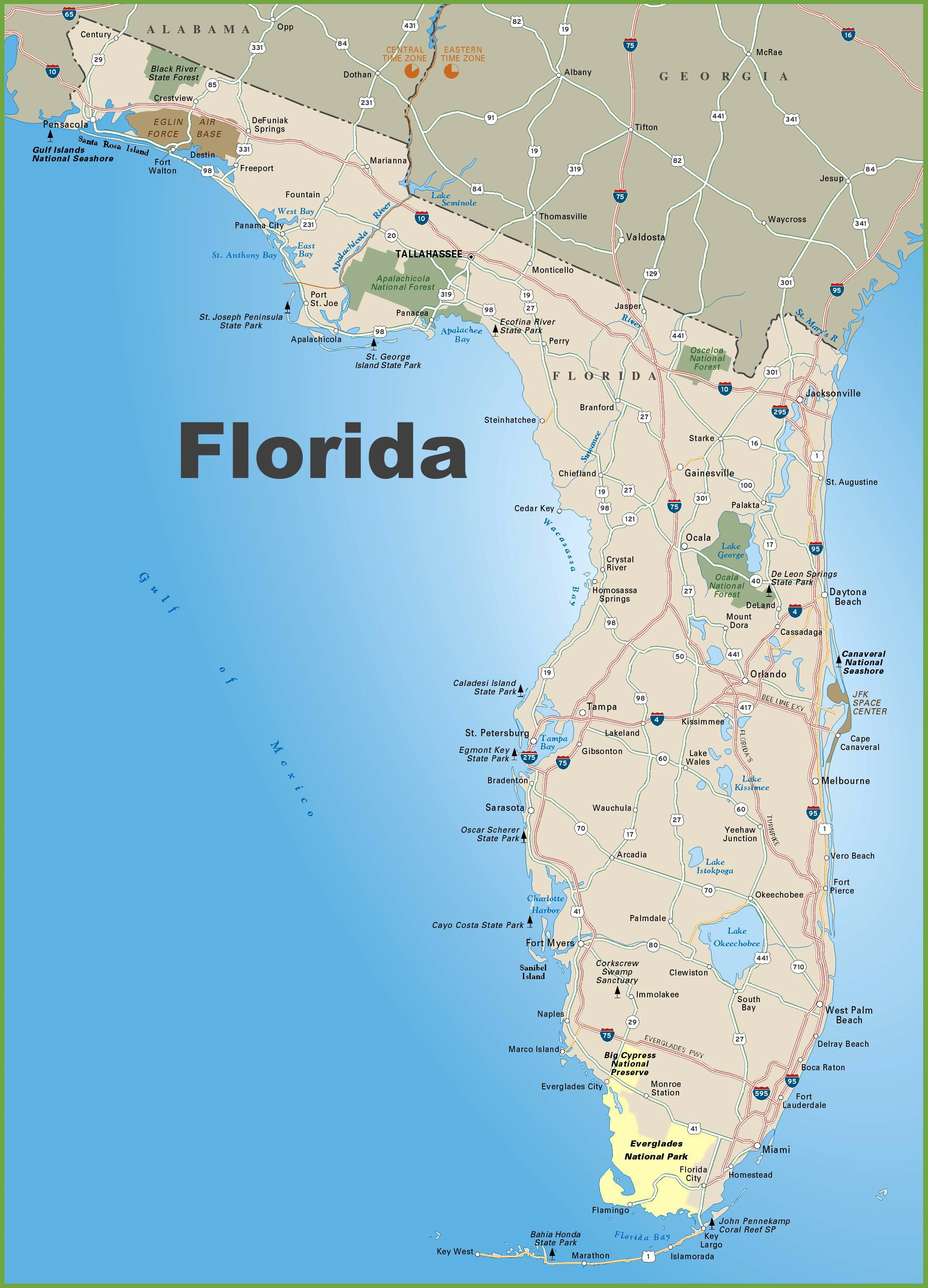
Navigating the loss of a loved one often begins with a search for public records and recent updates from local mortuaries. Across the state, Florida families face the reality of death as funeral homes release recent death notices to local publications and digital registries. Finding these notices promptly helps relatives coordinate travel, inform distant friends, and begin organizing memorial services during a stressful period.
Understanding how to access, verify, and interpret these announcements cuts through confusion when time matters most. Whether you're tracking down records for genealogy or handling immediate arrangements, knowing where official notices are published across Florida's counties streamlines the process.
Where to Find Official Florida Death Notices
Public notices and obituaries are distributed across several channels, ranging from independent mortuary websites to statewide databases. Relying on verified sources ensures you get accurate dates, service times, and visitation details without falling prey to online scams or outdated information.
Local Funeral Home Websites
Most licensed crematories and mortuaries maintain active digital registries. Facilities in regions like Miami, Tampa, Orlando, and Pensacola update their active listings daily.
- Check the specific facility handling the arrangements if you know the city or county.
- Look for dedicated "Obituaries" or "Recent Services" tabs on the home page.
- Subscribe to email alerts offered by major regional parlors to receive daily updates.
Regional Newspapers and Digital Archives
Traditional print publications remain a cornerstone for public announcements. Outlets such as the Miami Herald, the Tampa Bay Times, and the Orlando Sentinel maintain searchable digital obituary archives. These platforms often provide deeper biographical context than brief funeral home summaries.
- Search newspaper archives using exact full names and date ranges.
- Utilize wildcard searches if spelling variations or middle names are uncertain.
- Cross-reference newspaper publication dates with mortuary release logs.
The Process Behind Death Notices and Public Records
A death notice differs fundamentally from a traditional obituary. Knowing what goes into these notices helps families decide what details to share publicly versus what to keep private.
Distinguishing Death Notices from Obituaries
A death notice is typically a brief, factual announcement placed by a funeral home or family. It provides the name of the deceased, age, city of residence, and basic service information. Conversely, an obituary is a journalistic or narrative tribute written to celebrate a person's life history, career, and surviving relatives.
- Death Notice: Factual, concise, focused on logistics and timing.
- Obituary: Descriptive, narrative-driven, focused on personal legacy.
Legal and Administrative Timelines
When someone passes away in Florida, mandatory reporting steps precede any public announcement. Medical examiners or attending physicians must sign off on the death certificate before a funeral home can release notice or move forward with disposition.
- The medical examiner or physician files the initial medical certification.
- The local registrar issues the formal death certificate, which usually takes several days.
- Funeral directors coordinate with families to draft and approve public notices concurrently with permit processing.
Managing Practical Steps Following a Loss
When a family confronts the immediate aftermath of a passing, administrative burdens pile up quickly. Establishing a structured approach prevents missed deadlines and eases the emotional weight on grief-stricken relatives.
1. Secure the official death certificate copies from the vital statistics office.
2. Contact the chosen funeral home to finalize burial or cremation logistics.
3. Draft and approve the public death notice for local distribution.
4. Notify employers, financial institutions, and insurance providers.
Organizing Vital Documents
Before publishing notices or contacting agencies, gather key paperwork. Having Social Security numbers, military discharge papers (DD-214), and insurance policies ready accelerates every subsequent step. Request multiple certified copies of the death certificate from the Florida Department of Health, as banks and government agencies rarely accept photocopies.
Navigating Grief and Family Communication
Disseminating news across a wide-spread family tree can exhaust already depleted energy reserves. Designating a single family spokesperson to manage communication with funeral directors and digital platforms prevents mixed messages. Utilizing digital registries allows distant relatives to read service details directly without requiring endless phone calls.
Frequently Asked Questions
How quickly are death notices published in Florida?
Most funeral homes post notices online within twenty-four to forty-eight hours of receiving family approval and verifying death certificate details. Newspaper publication may take an additional day depending on print deadlines.
Are Florida death notices available for free online?
Yes. Independent funeral home websites and many digital registry platforms allow the public to view obituaries and service details at no cost. Avoid third-party websites that charge fees to access standard public notices.
What information is required to publish a death notice?
Facilities typically require authorization from the designated next of kin or legal representative. Basic details include the full legal name, date of birth, date of passing, city of residence, and service arrangements.
How can I correct an error in a published notice?
Contact the funeral director or newspaper coordinator immediately. Most digital platforms can update text or correct spelling errors within minutes of notification, while print corrections appear in subsequent editions.
Can a death notice be kept entirely private?
Families maintain control over what information is shared. If privacy is a priority, you can request that the funeral home keep arrangements strictly private and omit public notices or newspaper announcements entirely.



