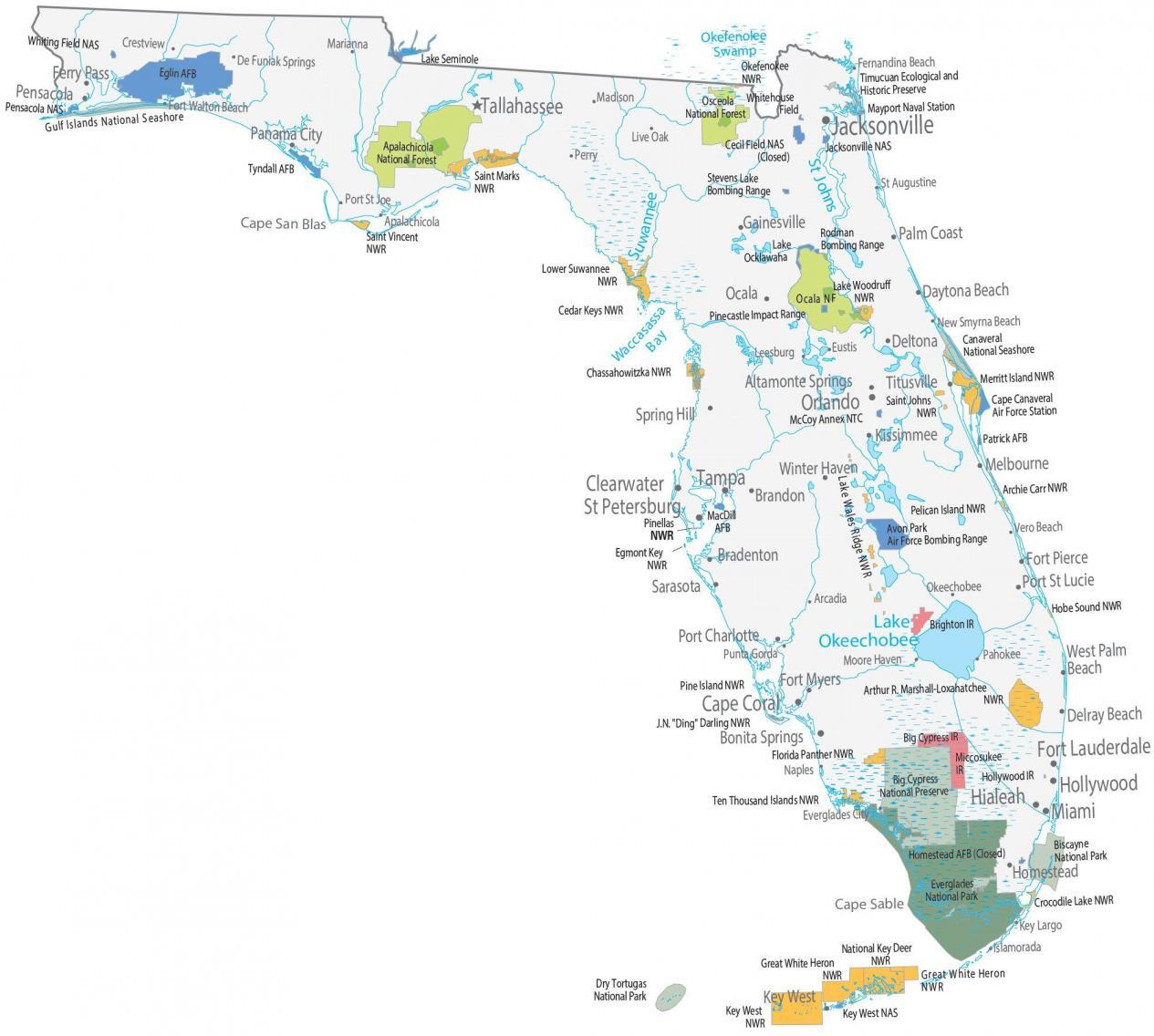
Navigating marketplace disputes in the Sunshine State can feel overwhelming, whether you're dealing with an uncooperative contractor in Orlando or a billing error from a Miami retailer. Florida consumers often look for reliable avenues to resolve commercial conflicts without immediately heading to court. The Better Business Bureau functions as a primary private resource for mediating consumer grievances, checking business reliability, and tracking local marketplace patterns.
While it lacks government enforcement power, understanding how to leverage this organization effectively changes the outcome of a service or retail dispute. Knowing its operational scope, filing procedures, and limitations ensures you use your time efficiently when a transaction goes wrong.
Understanding the Role of the Better Business Bureau
The Better Business Bureau is a private, non-profit organization rather than a government agency. It doesn't levy fines, issue citations, or enforce state laws. Instead, it operates on a model of voluntary corporate accountability and public transparency.
In Florida, regional offices—such as those serving West Florida, Southeast Florida, and Central Florida—manage thousands of business profiles. They collect consumer feedback, track unresolved complaints, and award accreditation based on established ethical standards.
When you submit a grievance through their platform, you aren't filing a legal claim. You are initiating a structured mediation process. Most reputable companies care about their public rating and response history, giving this process its core leverage.
When to File a Complaint Versus Leaving a Review
Many buyers confuse a standard customer review with a formal dispute. Choosing the correct path depends entirely on what you want the company to do.
- Formal Complaints: Use this track when you have an unresolved financial dispute, such as unrendered services, broken warranties, or unfair billing practices, and you want a direct corporate response.
- Customer Reviews: Use this track to share your experience publicly—positive or negative—without necessarily demanding a specific administrative mediation or merchant reply.
When you launch a formal complaint, the regional bureau transmits the details to the business, giving them a standard window of fourteen calendar days to respond. If the business replies, you get the opportunity to accept or reject their proposed solution. The entire interaction becomes part of the public company profile, influencing future shoppers who check ratings before making purchases.
Step-by-Step Guide to Filing an Effective Dispute
Getting results from a commercial mediation platform requires precision and documentation. Disorganized submissions rarely lead to favorable outcomes.
- Gather Documentation: Collect all relevant contracts, receipts, invoices, email correspondence, and photographs of defective products or shoddy workmanship before you begin.
- Verify Business Details: Look up the exact legal business name, physical address, and registered owner if possible. Florida businesses frequently operate under fictitious names (DBAs), so matching the correct corporate entity prevents delays.
- Draft a Concise Statement: State the facts plainly. Focus on dates, specific dollar amounts, and the exact terms of the agreement that the company failed to meet. Avoid emotional language or threats, as complaints containing abusive text are rejected.
- Submit Online: Use the official Better Business Bureau portal to input your details, ensuring your contact information and categorical selections are accurate.
- Monitor the Timeline: Watch for notifications regarding the merchant's reply. Be prepared to provide additional context or accept a settlement if the business offers a reasonable remedy.
Knowing the Limitations of Bureau Mediation
Expecting a private organization to act like a court of law leads to frustration. The system has explicit boundaries that every buyer should recognize upfront.
The organization won't handle cases currently tied up in active litigation, nor will it intervene in disputes involving personal interpersonal conflicts between private parties who aren't registered commercial entities. Furthermore, if a company simply ignores the correspondence and refuses to participate, the bureau cannot force compliance. They can only lower the company's letter grade to an F and mark the file as "unanswered."
For statutory violations, fraud, or deceptive trade practices, consumers should turn directly to public authorities. You can file official state grievances through the Florida Attorney General office, which possesses actual regulatory enforcement powers under the Florida Deceptive and Unfair Trade Practices Act.
Frequently Asked Questions
Does filing a complaint cost money?
No, submitting a dispute through the platform is entirely free for consumers. The organization funds its operations primarily through business accreditation fees and service programs rather than charging individuals for dispute resolution.
Can a company pay to remove negative reviews or complaints?
Accredited businesses pay dues for affiliation and services, but they cannot purchase higher letter grades or pay to remove authentic, verified consumer complaints from their public history. All closed cases remain visible to maintain marketplace transparency.
What happens if the business completely ignores the complaint?
If a company fails to respond within the designated timeframe, the case is closed as "unresolved." The incident directly impacts the business's public letter grade, signaling to future customers that the merchant is unresponsive to consumer concerns.
Is the mediation legally binding?
No. Unlike formal arbitration or court rulings, the resolution reached through this process is voluntary. If you are unsatisfied with the outcome, you retain your right to pursue small claims court or other legal remedies independently.


