Choosing between Fort Lauderdale-Hollywood International Airport and Miami International Airport dictates how your South Florida trip begins. While they sit roughly thirty miles apart, they offer entirely different logistics, airline networks, and ground transportation realities. Picking the wrong one can trap you in severe interstate traffic or cost you hundreds of extra dollars on airfare.
Your choice comes down to a strict balance of your final destination, airline loyalty, and budget priorities. FLL acts as a low-cost, manageable hub located in Broward County, whereas MIA serves as a massive international gateway packed with global carrier connections.
Location and Geographic Proximity
Geography plays a major role in deciding which airport fits your itinerary. Miami International Airport sits just west of downtown Miami, making it the logical choice if your hotel or business meetings are in Brickell, Coral Gables, or South Beach. PortMiami is only eight miles away, translating to a quick fifteen-minute drive under normal conditions.
Fort Lauderdale-Hollywood International Airport is located further north in Broward County. It is the ideal airport if you are heading to Fort Lauderdale, Boca Raton, Palm Beach, or catching a cruise out of Port Everglades—which sits a mere four miles away.
However, many travelers fly into FLL to visit Miami because ticket prices are lower. Driving between the two cities takes anywhere from thirty minutes to over an hour depending on traffic on Interstate 95 or the Turnpike. If you land during weekday rush hour, that thirty-minute gap balloons quickly.
Airline Networks and Hub Dominance
Airlines dictate where you can fly without layovers.
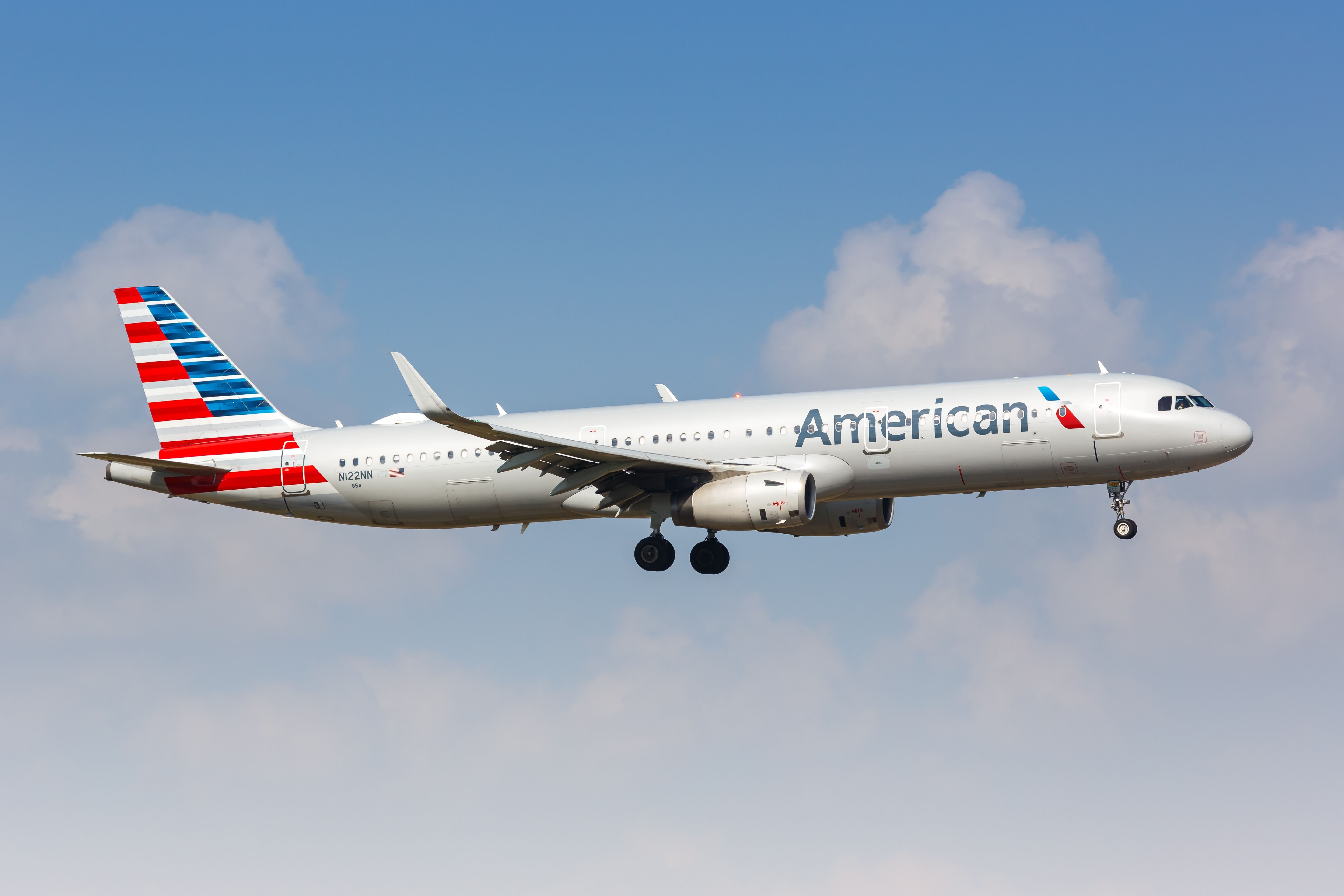
- Miami International Airport (MIA): This is a primary stronghold for American Airlines. If you hold status with American or want direct routes to Europe, South America, or the Caribbean, MIA wins easily. It handles more international passenger volume to Latin America than almost any other hub in the country.
- Fort Lauderdale-Hollywood International Airport (FLL): This facility functions as a major focus city for low-cost carriers like Southwest and JetBlue, alongside plenty of Spirit Airlines routes. If you want budget-friendly domestic connectivity, FLL usually delivers lower base fares.
Terminal Experience and Navigation
The ground experience inside these two facilities varies significantly.
MIA is a sprawling, high-traffic mega-airport. Concourse D serves as a massive terminal for American Airlines, featuring multiple airline lounges, extensive dining options, and high-end retail. Navigating MIA can feel like navigating a small city. Moving walkways, automated people movers, and long concourses mean you need to arrive well ahead of departure times. Rental car logistics require taking the MIA Mover train to a centralized rental facility, which can involve a lengthy walk.
FLL is generally more compact and easier to walk through. Terminals are separate buildings, meaning you must clear security specific to your terminal. While it lacks the sprawling luxury shopping of MIA, it feels much less intimidating for families or casual travelers. Rental car shuttles operate from the terminals, though peak periods can cause long wait times for the buses.
Ground Transportation and Traffic Realities
Getting out of the airport and onto your destination requires planning around South Florida traffic.
From MIA, you can access the Miami Metrorail system or take express buses straight to South Beach. Rideshares from MIA to downtown Miami or Brickell are relatively short and affordable.
From FLL, public transit options require more coordination. Travelers often take a free airport shuttle to the Tri-Rail station or utilize the Brightline high-speed rail network if connecting to downtown Fort Lauderdale or Miami. Taking an Uber or Lyft from FLL directly to Miami Beach will run up a higher fare due to the distance, sometimes erasing any savings you secured on your airline ticket.
Common Mistakes to Avoid
- Booking based solely on ticket price: Saving fifty dollars on a flight into FLL makes little sense if your rideshare to Miami costs an extra seventy dollars and wastes two hours in traffic.
- Ignoring cruise port logistics: If your cruise departs from Port Everglades, flying into MIA adds an unnecessary forty-minute highway trek. Conversely, flying into FLL for a PortMiami cruise requires budgeting for longer transit.
- Disregarding weekend cruise volume: Saturdays at both airports are heavily impacted by cruise passengers. Terminals fill up, security lines swell, and rental cars disappear fast.
- Underestimating rush hour: Landing at either airport between 7:00 AM and 9:30 AM or 4:00 PM and 7:00 PM on a weekday guarantees heavy congestion on the I-95 corridor.
Frequently Asked Questions
Which airport is better for international flights to Europe or South America?
Miami International Airport is vastly superior for international itineraries. It features a broader roster of global carriers, more direct long-haul routes, and comprehensive airline alliance lounges.
Is it possible to use public transit between FLL and Miami?
Yes. You can take the free shuttle from FLL to the Tri-Rail station or connect to the Brightline train, which runs down into downtown Fort Lauderdale and Miami. However, it takes significantly longer than a direct taxi or rideshare.
Which airport has cheaper parking rates?
Fort Lauderdale generally offers more competitive daily parking rates and cheaper off-site options compared to the high-density garages at Miami International Airport.
How do I handle a trip where I fly into one and out of the other?
Many travelers score cheaper multi-city itineraries by flying into FLL and out of MIA (or vice versa). Just ensure your rental car company allows one-way drop-offs without heavy penalty fees if you are driving between counties.


