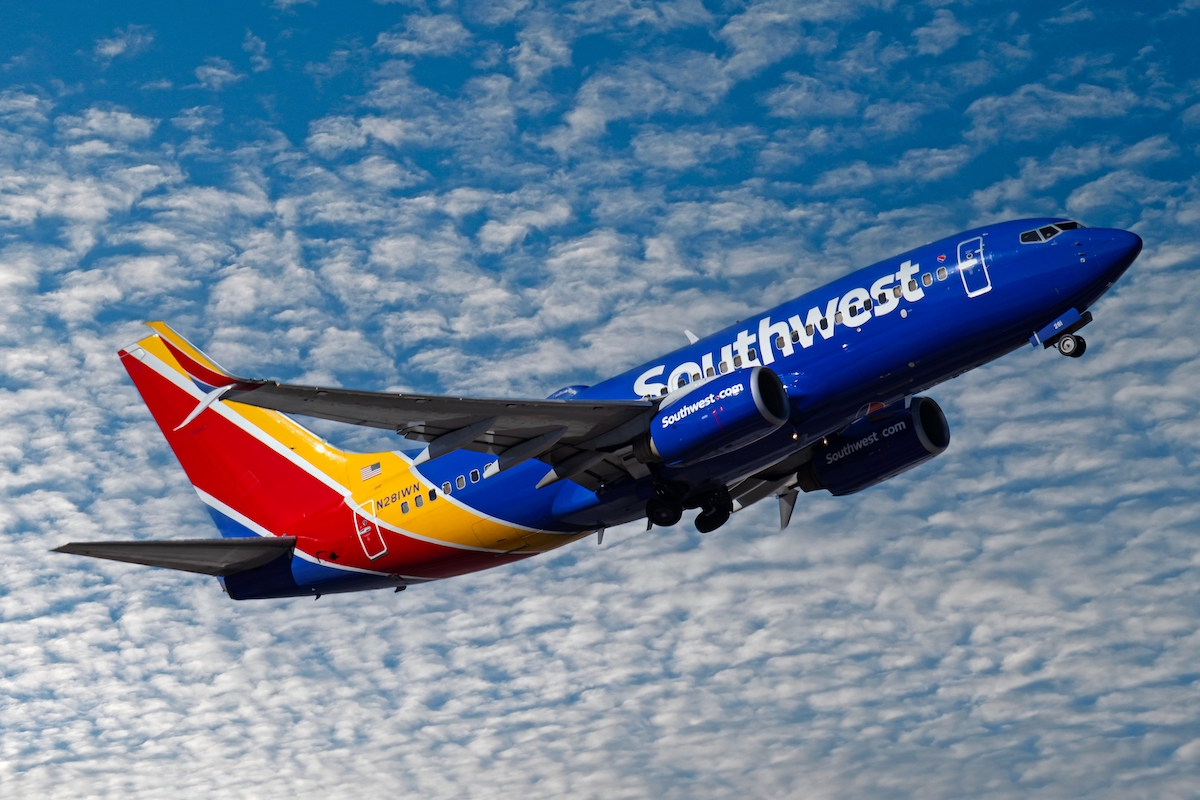
A direct flight time Texas to California typically ranges from 3 hours to 4.5 hours, depending on your specific departure city and final destination airport. Because Texas spans multiple time zones and California stretches across nearly a thousand miles of coastline, exact durations vary. For instance, a quick hop from El Paso to San Diego takes much less time than a flight from Houston to Sacramento.
Non-stop flights connect major hubs like Dallas (DFW/DAL) and Houston (IAH/HOU) to California powerhouses like Los Angeles (LAX), San Francisco (SFO), and San Diego (SAN) every single day. Major carriers including American Airlines, Southwest Airlines, and United Airlines run frequent direct schedules. Connecting flights, weather patterns, and time zone changes can alter your travel window, so understanding the route mechanics helps you plan efficiently.
Major Texas-to-California Routes and Durations
Geography dictates your time in the air. Texas is wide, and California is long, meaning your chosen pairing changes the clock.
- Dallas (DFW/DAL) to Los Angeles (LAX): This heavily traveled corridor averages 3 hours and 20 minutes to 3 hours and 50 minutes for a non-stop journey. Distance hovers around 1,250 miles.
- Houston (IAH/HOU) to Los Angeles (LAX): Pushing further east adds air time. Non-stop flights from Houston take about 3 hours and 40 minutes to 4 hours.
- Austin (AUS) to San Francisco (SFO): Connecting Central Texas tech to the Bay Area takes roughly 4 hours to 4 hours and 15 minutes non-stop.
- El Paso (ELP) to San Diego (SAN) or Los Angeles: Sitting on the far western edge of Texas, El Paso offers the shortest transcontinental-style jump, with flights clocking in around 1 hour and 50 minutes to 2 hours and 30 minutes.
If you book an itinerary with a layover—often routed through Phoenix (PHX), Denver (DEN), or Las Vegas (LAS)—total travel time jumps to anywhere from 5.5 to 8 hours.
Understanding the Time Zone Shift
Flying west from Texas to California means you will gain time, which changes how you calculate your arrival schedule.
Texas operates on Central Standard Time (CST) or Central Daylight Time (CDT), while California sits in the Pacific Time Zone (PST/PDT). There is a strict two-hour time difference. If you board a flight in Dallas at 1:00 PM and spend 3.5 hours in the air, you will touch down in Los Angeles at 3:30 PM local time.
Keep this shift in mind when booking rental cars, hotel check-ins, or connecting flights. It is easy to misjudge evening arrivals when you lose track of those two hours.
Airlines Operating the Route
Competition on this corridor is fierce, keeping prices relatively stable and schedules packed.
- Southwest Airlines: Operates massive volume out of Dallas Love Field (DAL) and Houston Hobby (HOU) straight into multiple California airports, often with zero-change fee policies.
- Legacy Carriers: American Airlines (with major hubs at DFW), United Airlines (heavy presence in Houston), and Delta Air Lines run frequent daily rotations with multi-class cabin options.
- Low-Cost Carriers: Spirit, Frontier, and Allegiant occasionally offer bare-bones direct flights, though they often rely on connecting routings through secondary hubs that stretch travel times out significantly.
Common Mistakes to Avoid
Travelers frequently run into predictable snags when booking cross-country domestic flights within the US.
- Ignoring airport proximity: Booking a cheap flight into San Francisco (SFO) when your final destination is actually Silicon Valley or San Jose can add an expensive, hour-long rideshare or train trip to your day. Match your arrival airport precisely to your itinerary.
- Underestimating Texas traffic to the airport: Major Texas airports like Houston Intercontinental or Dallas-Fort Worth are massive. Arriving only an hour before domestic departure often results in missed flights due to remote parking lots and security queues.
- Forgetting seasonal headwinds: Jet stream winds blow primarily from west to east. Flying from California back to Texas often takes 20 to 30 minutes longer than the initial trip westward because your plane is fighting a headwind.
Frequently Asked Questions
What is the absolute shortest flight from Texas to California?
The shortest non-stop route runs from El Paso (ELP) to destinations like Las Vegas or Southern California airports, taking roughly 1 hour and 50 minutes under optimal conditions.
Do I need a passport for this domestic flight?
No. Because both Texas and California are U.S. states, adults only need a REAL ID-compliant driver's license or another accepted form of federal identification to pass through TSA security checkpoints.
When is the cheapest time of year to fly this route?
Late August through October and January through February typically yield the lowest airfares, as business travel slows down and holiday rushes subside. Mid-week flights on Tuesdays and Wednesdays are usually cheaper than Friday or Sunday departures.
Are meals served on these flights?
For standard economy tickets on a 3.5-hour flight, airlines generally provide complimentary non-alcoholic drinks and small snacks like pretzels or Biscoff cookies. Hot meals are usually reserved for first class or business class passengers, so it is wise to grab food at the terminal before boarding.



