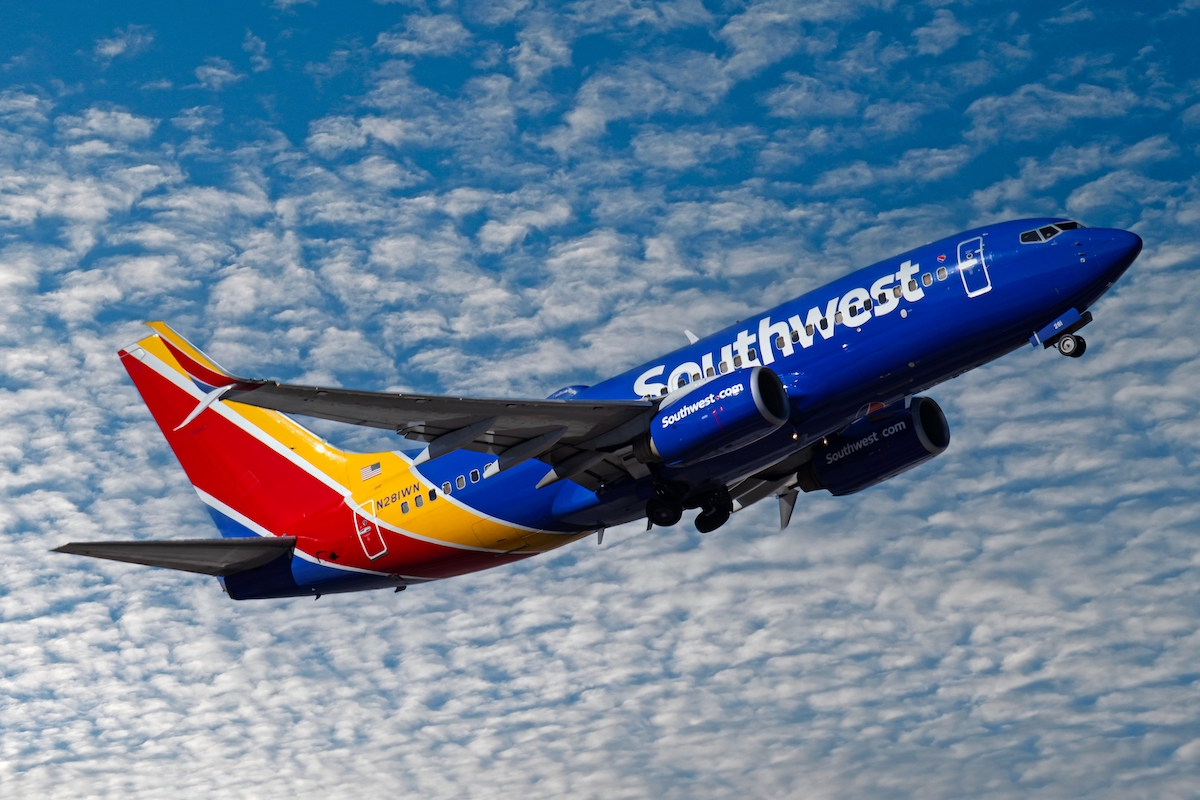
Planning a journey from Georgia to Argentina means crossing the hemisphere equator and dealing with significant long-haul logistics. A direct flight from Hartsfield–Jackson Atlanta International Airport (ATL) to Ministro Pistarini International Airport (EZE) in Buenos Aires takes approximately 9 hours and 50 minutes to 10 hours and 5 minutes. The total physical distance spans roughly 5,045 miles (8,117 kilometers).
Knowing what to expect on this route helps you manage jet lag, select the right aircraft seat, and plan your airport arrival. Let's break down the exact schedules, operating airlines, route factors, and practical booking tips for the Atlanta to Buenos Aires corridor.
Direct Flight Schedules and Operating Airlines
When you want to fly non-stop, your options are streamlined. Delta Air Lines serves as the primary carrier operating direct flights between Atlanta and Buenos Aires.
- Frequency: Typically operates with daily or near-daily service, depending on seasonal schedules.
- Departure Windows: Non-stop flights usually depart Atlanta in the evening, commonly between 19:30 and 23:00, allowing passengers to sleep through a large portion of the overnight journey.
- Arrival Times: Flights land in Buenos Aires early the following morning, typically between 07:35 and 09:45, giving you a full day ahead once you clear customs.
- Aircraft Types: Delta frequently deploys wide-body aircraft on this route, such as the Airbus A330 or Airbus A350, equipped with multiple cabin classes including Delta One, Premium Select, Comfort+, and Main Cabin.
Connecting Flights and Alternative Routes
If direct tickets are sold out or you want to use alliance miles with alternative carriers, you'll need to look at one-stop itineraries. Connecting flights typically add anywhere from 3 to 6 hours to your total travel time depending on the layover length and connection hub.
- Via Miami (MIA): Often paired with American Airlines or LATAM, total travel time averages around 13 hours and 30 minutes.
- Via Bogotá (BOG): Flying with Avianca or via codeshare options brings total travel time to roughly 13 hours and 10 minutes.
- Via Lima (LIM): LATAM or partner carriers route through Peru, pushing total transit times to about 13 hours and 45 minutes.
Choosing a connection requires checking whether you need to recheck bags or go through formal immigration procedures at your layover airport. South American transit hubs like Bogotá and Lima have straightforward international connection processes, but short layovers can introduce baggage risks on long-haul itineraries.
Key Travel Factors Impacting Your Flight Time
Several environmental and operational variables alter your actual gate-to-gate duration.
- Jet Stream and Winds: Southbound flights from Atlanta to Buenos Aires generally experience favorable tailwinds or neutral crosswinds over the Caribbean and Brazil, keeping the duration right around the 10-hour mark. Northbound return flights face headwinds, often pushing return durations closer to 10 hours and 30 minutes.
- Air Traffic Control Congestion: Hartsfield-Jackson is one of the busiest airports globally. Departure push times in the evening can occasionally result in brief taxiway delays. Similarly, morning arrival banks at Ezeiza International Airport can create holding patterns if multiple wide-body international arrivals touch down simultaneously.
- Seasonal Schedule Shifts: Airlines adjust departure times by 30 to 60 minutes when North America and South America transition in and out of daylight saving time on different schedules. Always verify your flight ticket timings closely during March and November.
Preparing for Your Trip to Argentina
Flying south across multiple time zones means you'll experience minimal time change shock—Buenos Aires is typically just one hour ahead of Atlanta during US Eastern Standard Time, and in the same time zone during US Daylight Saving Time. However, the physical toll of a 10-hour flight still requires preparation.
- Seat Selection: On wide-body aircraft like the A330, opt for an aisle seat in the center section if you want freedom of movement without disturbing neighbors, or choose a window seat forward if you want to catch the sunrise over South America.
- Hydration and Comfort: Cabin humidity drops significantly on long-haul flights. Drink plenty of water before boarding and pack basic skincare essentials.
- Ground Transport in Buenos Aires: EZE airport is located about 22 miles (35 kilometers) south-southwest of downtown Buenos Aires. Budget 45 to 60 minutes for taxi or remises transit into the city center, depending on morning commuter traffic.
Frequently Asked Questions
Is there a time difference between Atlanta and Buenos Aires?
During North American standard winter months, Buenos Aires is 1 hour ahead of Atlanta. During US daylight saving time (spring through autumn), Atlanta and Buenos Aires share the exact same time zone, meaning zero time shift upon arrival.
What is the best time of year to find cheap flights from Atlanta to Buenos Aires?
Low season for travel to Buenos Aires runs from May through August, which corresponds to the South American winter. During these months, airlines frequently drop fares and offer better award seat availability compared to the peak December-through-February summer holiday season.
Do US citizens need a visa to enter Argentina?
US passport holders do not require a tourist visa for stays under 90 days in Argentina. Ensure your passport remains valid for at least six months beyond your planned date of entry and check current US Department of State entry guidelines before departure.
How early should I arrive at Atlanta airport for an international flight?
Because Delta's flights to Buenos Aires depart during the busy evening international bank, arrive at Hartsfield-Jackson at least 3 hours before your scheduled departure time to allow for bag drop, security screening, and international boarding protocols at the Maynard H. Jackson Jr. International Terminal.



