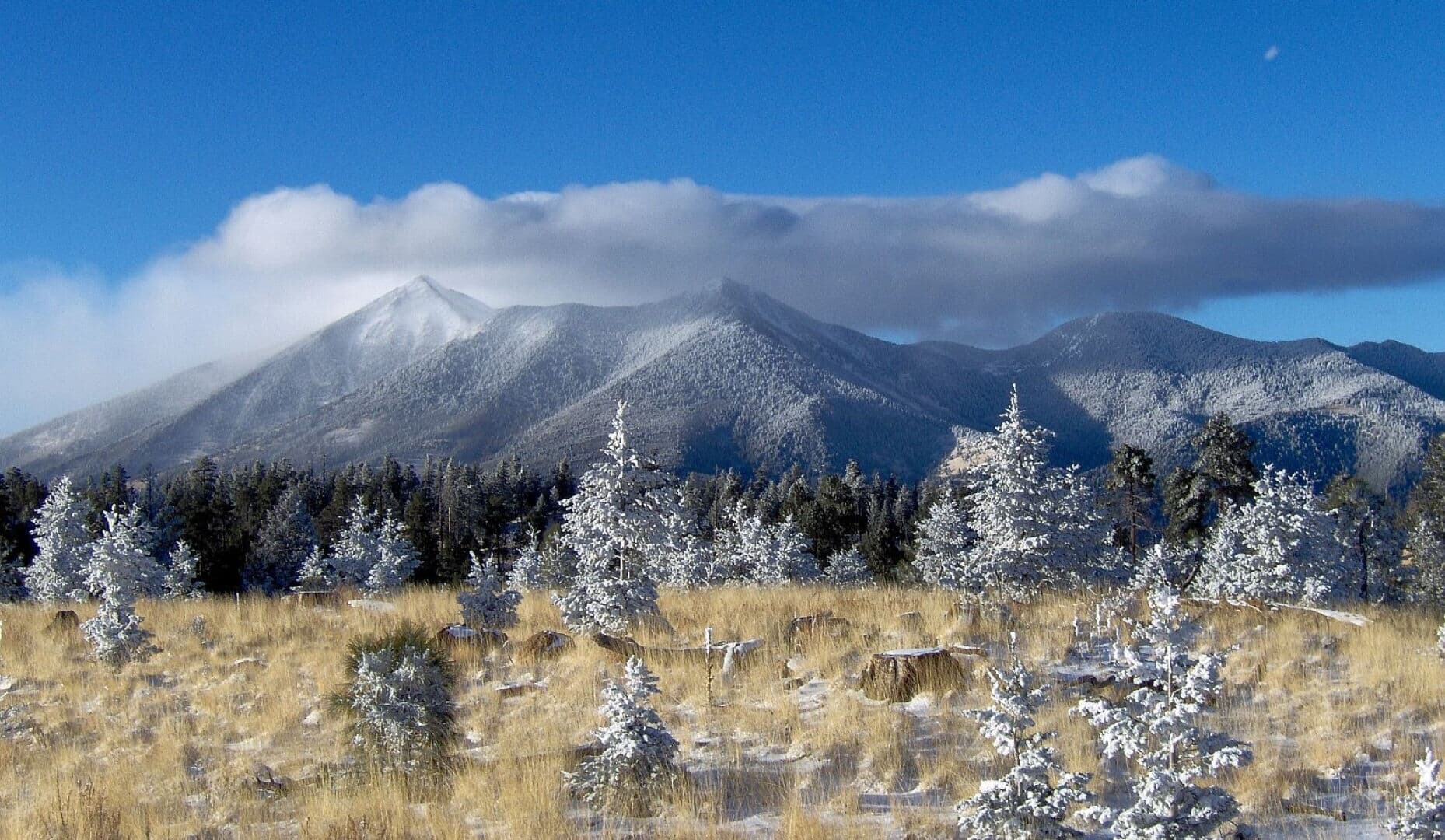
Perched at nearly 7,000 feet elevation, Flagstaff defies Arizona’s desert stereotype by delivering a true high-altitude winter. When November arrives, the city trades autumn colors for freezing temperatures, rapid weather shifts, and early snowfall. If you assume Arizona always means sunshine and shorts, Flagstaff in November will catch you off guard with sub-freezing nights and sudden mountain storms.
Navigating this shoulder season requires practical knowledge of temperature drops, precipitation trends, and road safety. Whether you're visiting the Arizona Snowbowl or settling into town for the winter, knowing what lies ahead helps you avoid costly travel delays and vehicle troubles.
Temperature Trends Throughout November
The shift from late autumn to early winter happens rapidly during November. Early-month days often feel crisp and comfortable, while late-month afternoons plunge straight into freezing territory.
At the start of the month, daytime highs regularly reach the upper 50s or low 60s Fahrenheit. By Thanksgiving, those numbers drop significantly, with highs hovering in the mid-40s. Overnight lows tell an even more dramatic story. While early November nights occasionally drop to freezing, late-month lows frequently plummet into the teens or single digits. For another angle on this development, refer to the latest update from National Geographic Travel.
The diurnal temperature swing is sharp. You might hike in a light fleece at noon and need an insulated parka by 5:00 PM when the sun dips behind the mountains.
Snowfall and Precipitation Patterns
Precipitation defines the month. While October brings occasional rain, November marks the start of consistent winter storms rolling in from the Pacific. Flagstaff averages over ten inches of snow in November, though totals vary wildly depending on individual storm tracks.
Storms often arrive with little warning, dropping several inches of snow within hours. This creates hazardous driving conditions along Interstate 40 and Highway 180, particularly over mountain passes. The City of Flagstaff Public Works deploys snowplows efficiently, but unexpected squalls routinely cause temporary highway closures and flight delays at Pulliam Airport.
Drivers should watch out for black ice on shaded curves and bridges. Early morning commutes are especially risky when melting snow refreezes overnight.
Daylight and Environmental Shifts
One of the most disruptive aspects of late autumn in Flagstaff is the rapid loss of daylight. By the end of November, the sun sets before 5:00 PM, and daylight shrinks to under ten hours total.
This early darkness catches visitors off guard, especially those attempting afternoon hikes. Mountain trails become hazardous quickly once the sun disappears behind the peaks, as temperatures drop instantly. If you plan outdoor activities, start early and pack a headlamp or flashlight just in case your timeline slips.
How to Prepare Your Vehicle and Home
Preparation prevents minor inconveniences from turning into emergencies. Whether you're a resident or a visiting traveler, take specific steps before heading into the mountains in November.
For drivers, vehicle readiness is non-negotiable. Check your coolant levels, test your battery, and ensure your windshield wiper blades are fresh. If you plan to explore surrounding national forests, verify your tire tread or carry snow chains as required by Arizona Department of Transportation guidelines for mountain travel. Stash an emergency kit in your trunk containing a heavy blanket, bottled water, a flashlight, and a small snow shovel.
For homeowners, November demands winterization tasks. Disconnect garden hoses, insulate exposed exterior pipes, and test your heating system before the first hard freeze hits. Knowing the location of your main water shut-off valve can prevent thousands of dollars in damage if a pipe bursts during a sub-zero night.
What to Pack for a November Trip
Packing for Flagstaff in November requires a layering mindset rather than a single heavy coat. Bring a moisture-wicking base layer, an insulating mid-layer like fleece or wool, and a windproof, waterproof outer shell.
Footwear matters more than fashion here. Pack sturdy, waterproof boots with deep tread to handle slush, ice, and packed snow on sidewalks. Don't forget accessories: a warm beanie, insulated gloves, and polarized sunglasses are essential because high-altitude sunlight reflecting off fresh snow causes intense glare.
Frequently Asked Questions
Does it always snow in Flagstaff in November?
While November reliably brings the first significant winter storms, total snowfall varies by year. Some years see dry, crisp conditions with only a dusting, while others experience major blizzards early in the month.
Are roads to the Grand Canyon open in November?
The South Rim of the Grand Canyon remains open year-round, but snowstorms occasionally cause temporary closures on Highway 64 or park access roads. Always check live road conditions before driving north from Flagstaff.
Can I still hike in Flagstaff during November?
Yes, lower-elevation trails remain accessible on clear days, but higher trails on Mount Elden or the San Francisco Peaks often hold deep snow and ice. Traction devices like microspikes are often necessary for safe winter hiking.
Is the Arizona Snowbowl open in November?
Opening day for the Arizona Snowbowl depends entirely on natural snowfall and cold temperatures required for snowmaking, typically targeting late November or early December. Check their official schedule before planning a ski trip.



