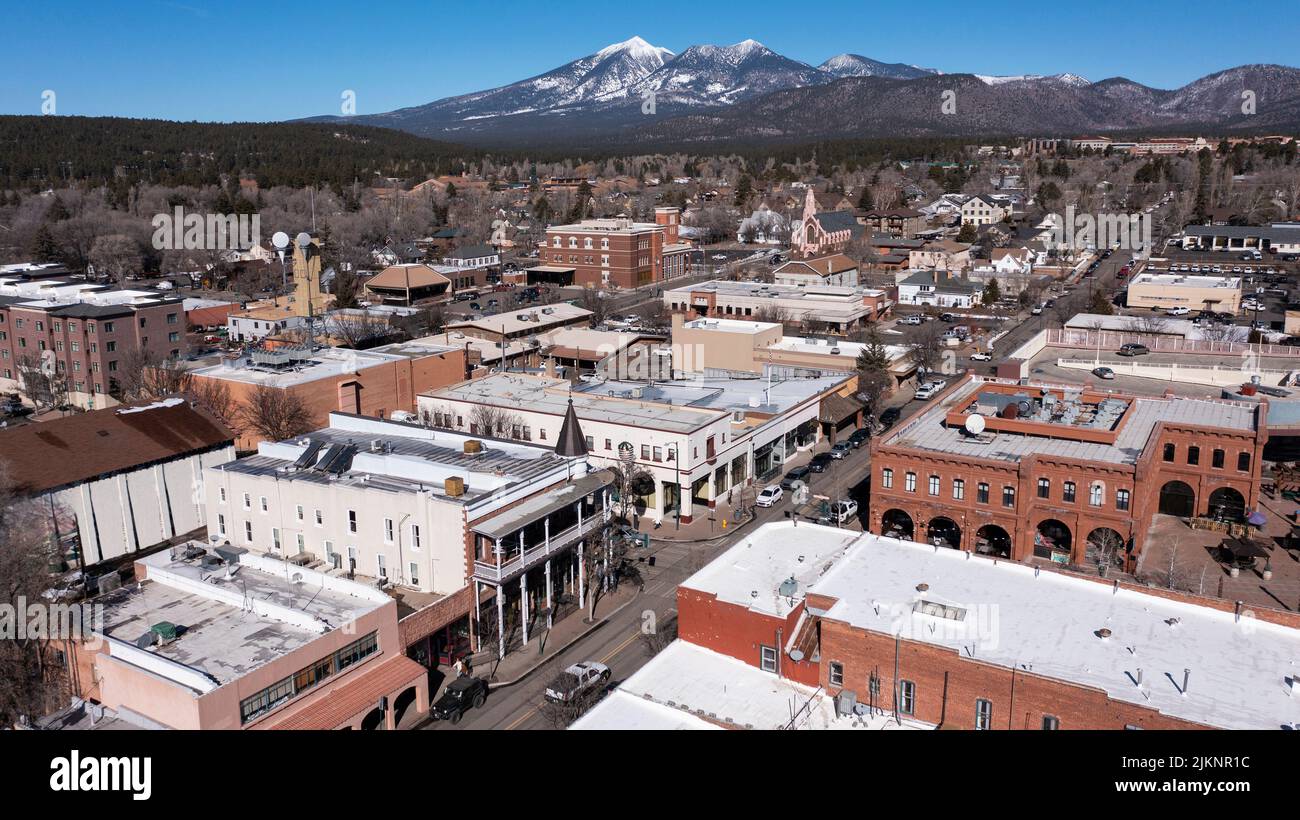
Navigating Flagstaff year-round driving conditions requires adapting to severe winter mountain weather, sudden monsoon downpours, and heavy seasonal tourist traffic. Sitting at an elevation of nearly 7,000 feet, this northern Arizona hub experiences drastically different road environments depending on the month, making vehicle preparation and real-time route monitoring critical for safety.
Whether you are commuting up Interstate 17 during a blizzard or navigating summer construction zones on historic Route 66, understanding local weather patterns prevents costly accidents. This guide breaks down seasonal hazards, vehicle requirements, emergency protocols, and official tools to keep your journeys secure.
Winter Driving Hazards and High-Elevation Snow
Winter in Flagstaff spans roughly from November through April, bringing heavy snowpack, sub-freezing temperatures, and treacherous black ice. Unlike the desert floors of Phoenix or Tucson, northern Arizona mountain passes catch major Pacific storms that drop feet of snow within hours.
Black ice forms most frequently on bridges, overpasses, and shaded mountain curves where sunlight cannot melt residual moisture. Drivers often fail to spot this transparent layer until their tires lose traction. When navigating winter precipitation, your driving strategy must change entirely:
- Reduce speeds significantly: Drop your speed 10 to 15 miles below the posted limit, and avoid using cruise control, which can cause wheels to spin when hydroplaning or hitting ice patches.
- Expand following distances: Triple your usual gap, leaving at least 6 to 8 seconds of space between you and the vehicle ahead to allow for extended braking distances.
- Handle skids properly: If your vehicle begins to slide, avoid slamming on the brakes. Instead, ease off the accelerator and steer gently into the direction of the skid until you regain control.
Spring, Summer, and Fall Road Conditions
While winter demands the most intense caution, the remaining seasons introduce unique driving challenges across northern Arizona.
Spring brings rapid temperature fluctuations that melt daytime snow, only for runoff to refreeze into overnight black ice. High winds are also common during spring months, creating hazardous crosswinds for high-profile vehicles, RVs, and semi-trucks along Interstate 40.
Summer shifts the primary hazard to monsoon season, which runs from July through September. Sudden afternoon thunderstorms deliver heavy downpours that impair visibility and cause flash flooding on low-lying rural roads. Additionally, summer swells the city with tourists visiting nearby national parks, leading to heavy congestion on Highway 180 and downtown corridors.
Fall introduces gorgeous autumn foliage, drawing massive weekend crowds to mountain loops. Elk and deer migration patterns also peak during autumn, dramatically increasing wildlife collisions around dawn and dusk.
Vehicle Preparation and Legal Requirements
Preparing your vehicle before heading into Arizona's high country prevents dangerous roadside strandings. The Arizona Department of Transportation (ADOT) enforces specific seasonal rules and provides guidelines to ensure vehicles can handle extreme cold.
Essential Vehicle Checks
- Tires: Standard all-season tires lose flexibility below freezing. Equip dedicated winter tires bearing the three-peak mountain snowflake symbol, or ensure your all-terrains have deep tread.
- Traction Devices: Keep tire chains or snow cables in your trunk. ADOT can mandate chain restrictions on routes like US-180 during severe storms, prohibiting vehicles without proper traction gear. Studded tires are legally permitted on Arizona highways from October 1 to May 1.
- Fluids and Battery: Test your car battery before cold weather hits, as freezing temperatures drain weak cells. Fill your windshield washer reservoir with a winter-grade fluid that won't freeze on contact.
Emergency Kit Checklist
Never drive through mountain zones without a dedicated survival kit. Pack these items in your trunk:
- Heavy wool blankets and extra winter layers (gloves, hats, thermal socks).
- Non-perishable snacks and bottled water.
- A reliable flashlight with spare batteries.
- An ice scraper and a compact snow shovel.
- A bag of sand or non-clumping kitty litter to throw under tires if you get stuck.
How to Track Live Road Conditions
Checking real-time updates before leaving your house prevents you from driving straight into an unexpected closure or accident pileup.
- The AZ511 System: Access the AZ511 Traveler Information website or mobile application to view interactive maps showing live traffic speeds, accident reports, and snowplow locations.
- Live Traffic Cameras: Review ADOT highway cameras positioned along I-17 and I-40 to visually verify road surface conditions and fog levels.
- Local City Updates: Monitor the City of Flagstaff winter operations portal for neighborhood plowing schedules and local parking updates. Note that Flagstaff enforces an overnight winter parking ban from November 1 to April 1 to allow snow removal equipment clear access.
Frequently Asked Questions
Are tire chains mandatory in Flagstaff?
Tire chains are not legally required year-round, but ADOT can mandate them during severe weather alerts via temporary traffic restrictions. If officials implement traction controls, drivers without chains or four-wheel drive systems are turned around at checkpoints.
How far back should I stay behind snowplows?
Maintain a distance of at least four car lengths behind active snowplows. Never attempt to pass a working snowplow, as chemical spreaders and dense snow clouds create dangerous blind spots and flying debris.
What should I do if my car stalls in a winter storm?
Stay with your vehicle for warmth and visibility rather than walking out into freezing weather or blowing snow. Tie a brightly colored cloth to your antenna, raise your hood if safe, and run the engine for only ten minutes every hour to preserve fuel while keeping the exhaust pipe completely clear of snow.
How do I check if my route to the Grand Canyon is open?
Use the AZ511 app to check highway status for US-180 and AZ-64 north of Flagstaff, and monitor National Park Service alerts for immediate weather-related closures inside the park boundaries.



