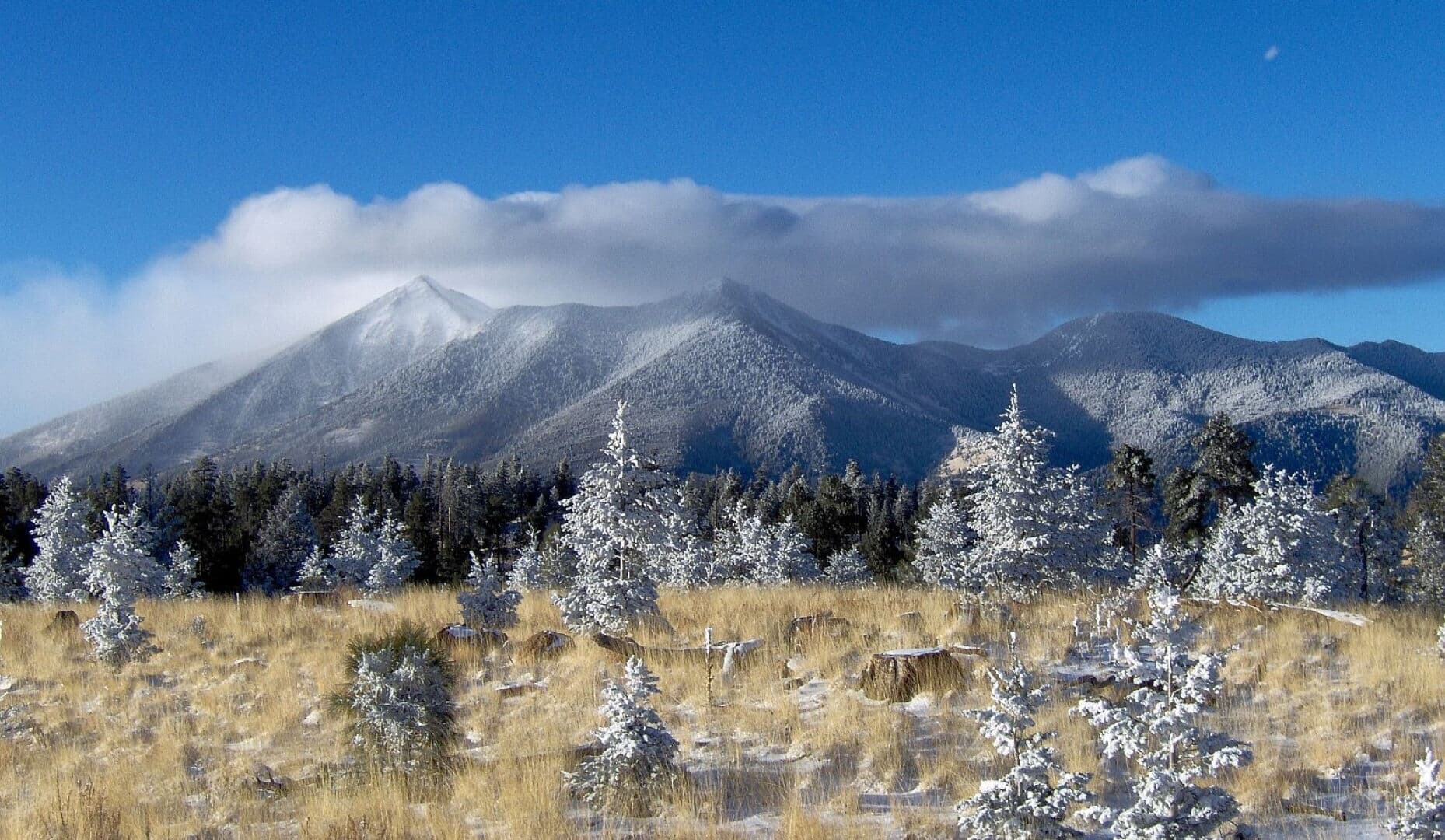
Navigating Flagstaff AZ driving conditions requires quick adjustments because this mountain town sits at nearly 7,000 feet elevation. You'll face heavy winter snowstorms one month and intense summer flash floods the next. Weather changes fast along Interstate 17 and Interstate 40, catching many drivers off guard. Knowing how to handle packed ice, freezing temperatures, and sudden downpours keeps you out of trouble on northern Arizona roads.
Getting through these hazards safely means preparing your vehicle before you leave home and modifying how you brake, steer, and accelerate. If you're heading toward the San Francisco Peaks or driving through downtown, understanding local road patterns and seasonal threats is essential. Let's look at what you need to know to stay safe behind the wheel in Flagstaff.
Winter Hazards: Snow and Ice on Mountain Passes
Winter in Flagstaff brings an annual average of over 100 inches of snow, often lasting from November through May. Sub-freezing temperatures turn melting snow into black ice, especially on bridges, overpasses, and shaded mountain curves.
Interstate 40 west of town toward Ash Fork and the steep grades on Interstate 17 frequently turn slick during storms. When plow crews are working, you must give them plenty of space. The Arizona Department of Transportation advises staying at least four car lengths back from active snowplows. Never try to pass a plow working in tandem across multiple lanes.
Essential Vehicle Prep for Snow
Don't wait for flakes to start falling before getting your car ready. Proper equipment makes the difference between maintaining traction and sliding off the highway.
- Tires: Equip your vehicle with winter tires or keep certified chains handy. If you're driving up to Arizona Snowbowl, resort staff or troopers may require four-wheel drive, all-wheel drive, or chains before letting you up the mountain road.
- Fluids: Check that your radiator antifreeze handles sub-zero temperatures and fill your reservoir with winter-grade windshield wiper solvent.
- Emergency Kit: Pack a charged cell phone, warm blankets, extra jackets, drinking water, and a small shovel.
Summer Hazards: Monsoon Storms and Flash Floods
When the summer heat peaks, the seasonal monsoon arrives, bringing violent afternoon thunderstorms. These storms dump massive amounts of rain in minutes, overwhelming local drainage systems and creating severe visibility drops on local roads.
Burn scars from past wildfires around northern Arizona create dangerous flash flood zones. Runoff from these areas carries debris, mud, and rocks across roadways with little warning.
Rules for Monsoon Driving
Water on the road hides deep potholes, washed-out asphalt, and strong currents that can sweep a car away in seconds.
- Turn Around, Don't Drown: Never drive through flooded intersections or flowing water over a highway. Just six inches of moving water can reach the bottom of most passenger cars and cause loss of control.
- Turn on Headlights: Arizona law requires headlights whenever your windshield wipers are active. Make sure other drivers can see you through heavy rain sheets.
- Increase Following Distance: Wet asphalt drastically increases your stopping distance. Double the gap between your bumper and the vehicle ahead of you.
Smart Driving Techniques for Extreme Weather
Standard dry-pavement driving habits will cause accidents in Flagstaff's worst weather. You have to change your physical inputs on the pedals and steering wheel.
When roads are icy, avoid sudden braking or aggressive acceleration. Slamming on your brakes locks the wheels and sends you into an uncontrolled slide. Instead, ease off the gas pedal to slow down gradually. If your car starts to skid on ice, steer smoothly into the direction of the skid while keeping your feet off both the brake and accelerator until you regain traction.
On monsoon-drenched roads, hydroplaning is the primary threat. If your tires lose contact with the pavement and start skimming on water, don't panic and don't slam on the brakes. Hold the steering wheel straight and ease your foot off the gas until the tires bite back into the pavement.
Before you travel, check live updates through AZ511 to view active restrictions, snowplow cameras, and closure warnings.
Frequently Asked Questions
Do I need four-wheel drive to drive around Flagstaff in winter?
While front-wheel drive cars with good winter tires can handle standard city streets during light snow, four-wheel drive or all-wheel drive is strongly recommended. During heavy storms or when accessing mountain recreation areas like Snowbowl, authorities often mandate 4WD, AWD, or chains.
How does the city prioritize snowplowing?
The City of Flagstaff clears main arterial roads and emergency routes first. Secondary residential streets are placed on a tiered schedule based on total accumulation, which can take anywhere from 12 to 36 hours after a heavy blizzard stops.
Are studded tires legal on Arizona highways?
Yes. The state permits studded tires on all Arizona highways from October 1 through May 1 to help motorists grip icy mountain passes.
What should I do if my car stalls in a remote snowy area?
Stay with your vehicle for warmth and safety. Raise your front hood and turn on your hazard lights to signal emergency responders. Run your engine for about ten minutes every hour to stay warm, but make sure your exhaust pipe stays completely clear of snow to prevent carbon monoxide poisoning.



