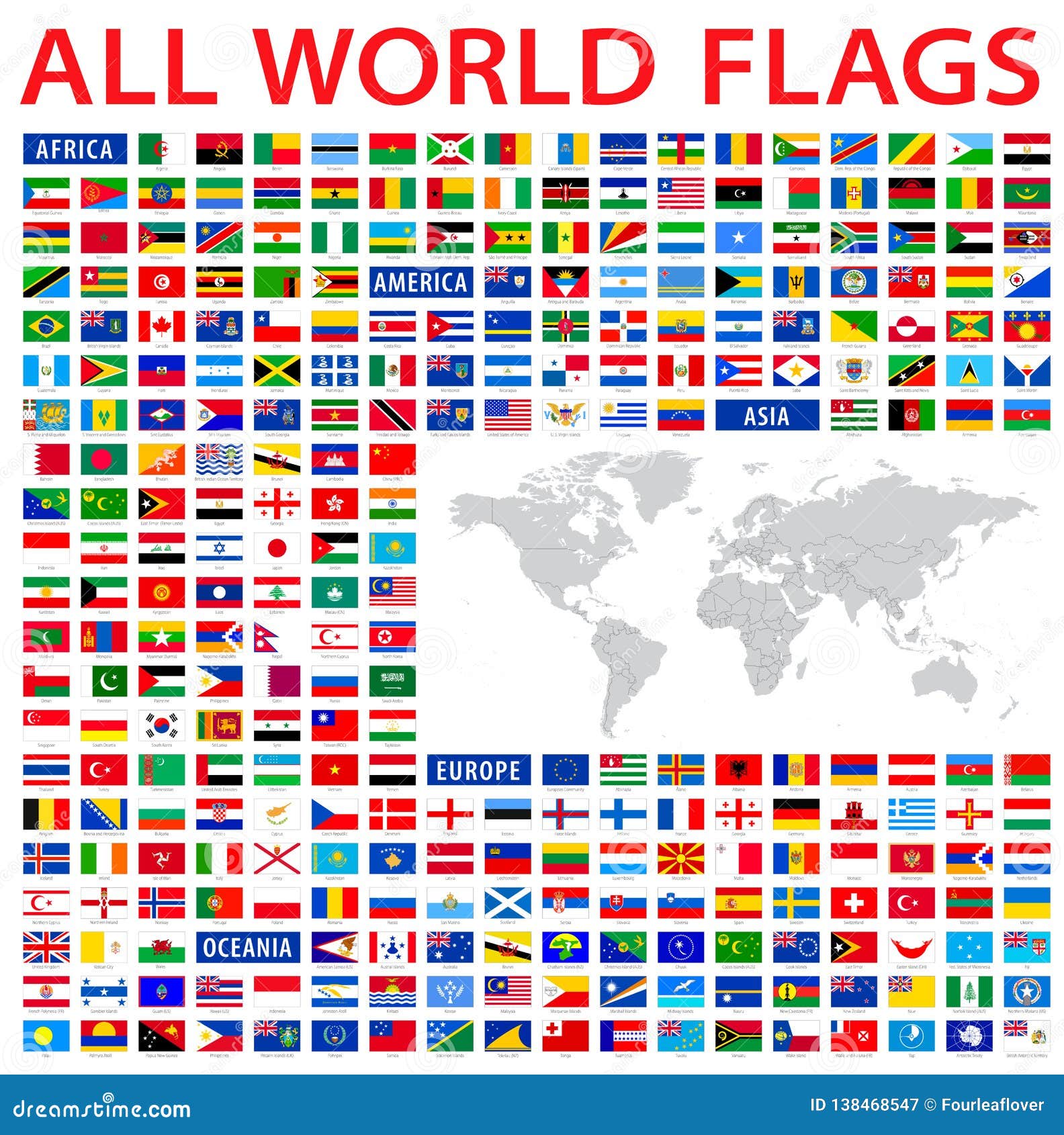
The national banners of the United States, Canada, and Mexico tell profound stories through distinct visual choices. Each standard embodies a unique historical struggle, deep cultural symbolism, and distinct design evolution. Understanding these national emblems requires looking past basic shapes and colors to examine how history shaped their visual identity.
From the shifting stars of the American banner to the solitary maple leaf of Canada and the ancient Aztec mythology woven into Mexico's tricolor, these three designs define North American vexillology. Let's break down the history, design choices, and hidden symbolism behind the flags of the USA, Canada, and Mexico.
The Flag of the United States: Evolution of Stars and Stripes
The American flag features thirteen alternating red and white stripes representing the original colonies, alongside a blue canton containing white stars for each current state. Its design grew through a series of official updates as the country expanded westward.
History and Origins
The roots of the American banner trace back to the Revolutionary War. The Continental Congress passed the first Flag Act on June 14, 1777, stating that the flag of the United States should feature thirteen stripes and a blue field with thirteen white stars. While historical legends often credit Betsy Ross with stitching the first version, documented historical proof remains sparse. Early iterations arranged the stars in circles or rows, reflecting local manufacturing choices rather than strict federal mandates.
Design Elements and Symbolism
The visual composition relies on specific heraldic meanings:
- Red stripes symbolize hardiness and valor.
- White stripes represent purity and innocence.
- Blue canton stands for vigilance, perseverance, and justice.
- Stars denote the sovereign states making up the union.
The layout changed 27 times over two centuries. The current 50-star design, introduced after Hawaii gained statehood, became official on July 4, 1965.
The Flag of Canada: The Birth of the Canadian Pale
Canada’s national banner features a striking red-white-red vertical triband with a stylized 11-pointed red maple leaf centered in the white square. This layout is known in vexillology as the Canadian pale.
History and Origins
For decades following confederation, Canada used various Red Ensign designs featuring the British Union Jack in the canton. The push for a distinct national symbol intensified in the early 1960s, leading to the Great Flag Debate of 1964. Parliament debated multiple proposals before selecting a design championed by George Stanley, which drew inspiration from the Royal Military College flag. Parliament officially adopted the red-and-white maple leaf standard, and it was inaugurated on February 15, 1965.
Design Elements and Symbolism
The color scheme honors historical ties without relying on foreign insignia. King George V proclaimed red and white as Canada's official colors in 1921, drawing from the English cross of St. George and French royal emblems. The stylized 11-pointed maple leaf doesn't represent a specific biological species, but rather was chosen because it remained clear and recognizable when fluttering in high winds or viewed from a distance.
The Flag of Mexico: Aztec Legend Meets Modern Republic
Mexico’s flag uses a vertical tricolor of green, white, and red with the national coat of arms centered on the white band. It stands out among national standards due to its intricate central emblem.
History and Origins
Mexico adopted its current tricolor arrangement during its war for independence from Spain in the early 19th century. The original three-guarantees army—fighting for religion, independence, and union—used these colors to represent their core tenets. The modern design of the national coat of arms was officially standardized in 1968, though the core imagery has roots stretching back centuries.
Design Elements and Symbolism
The vertical stripes carry distinct meanings established during independence:
- Green signifies hope and the independence movement.
- White represents unity and Catholic faith.
- Red honors the blood of national heroes.
The central emblem depicts a golden eagle perched on a prickly pear cactus, devouring a snake. This imagery stems directly from Aztec mythology. Legend dictates that the Aztec people wandered until they saw an eagle eating a snake on a lake cactus, marking the site where they built their capital, Tenochtitlan, now modern Mexico City.
Comparing North American Flag Design Principles
While these three national banners look completely different, they share structural traits common to North American vexillology. All three utilize rectangular proportions, distinct geometric balance, and strong regional colors that reject overly complex heraldic shields in favor of bold, recognizable symbols.
| Country | Primary Colors | Central Emblem | Adoption Year |
|---|---|---|---|
| United States | Red, White, Blue | 50 White Stars | 1965 (Current 50-star version) |
| Canada | Red, White | Stylized Maple Leaf | 1965 |
| Mexico | Green, White, Red | Eagle, Snake, and Cactus | 1968 |
Analyzing these standards shows how each nation distilled its history into a single visual identity. If you want to dive deeper into global vexillology, you can explore the North American Vexillological Association for academic studies on flag design, or check out historical archives via the Library of Congress to view early drafts and historical legislation.
Frequently Asked Questions
Why do the US and Canadian flags share red and white colors?
Both countries inherited British colonial design influences, where red and white served as prominent heraldic colors during early settlement and military campaigns.
What do the 13 stripes on the American flag mean?
They represent the original 13 British colonies that declared independence from Great Britain in 1776, forming the foundation of the United States.
Why is there a snake on the Mexican flag?
The snake and eagle emblem illustrates an ancient Aztec prophecy. According to folklore, the gods told the Aztecs to build their city where they found an eagle eating a snake on a cactus.
Did Canada ever use a different national flag?
Yes. Before adopting the maple leaf in 1965, Canada used various versions of the Canadian Red Ensign, which incorporated the British Union Jack in the upper left corner.



