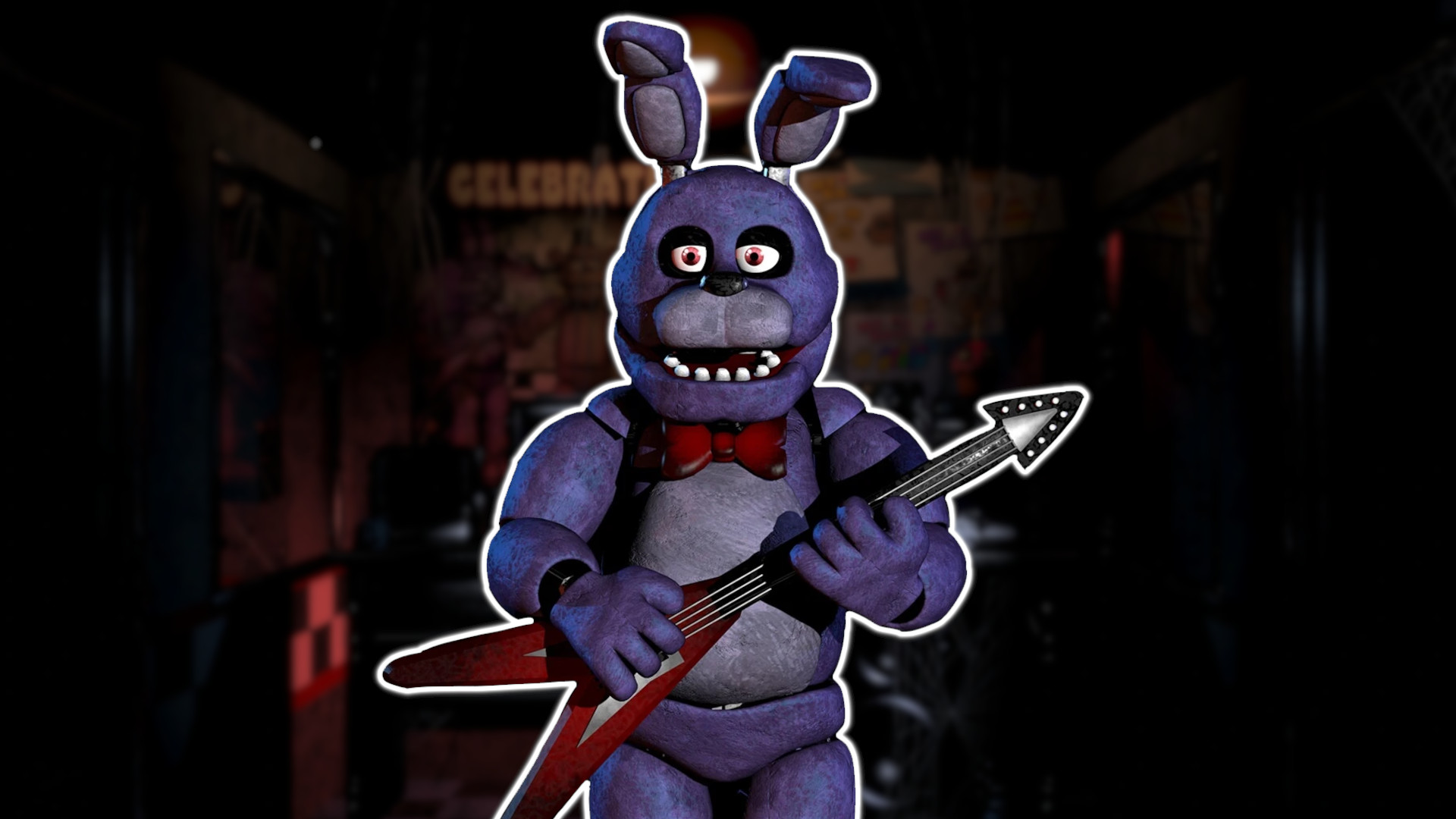
When Scott Cawthon released Five Nights at Freddy’s in 2014, he didn't just launch a multimedia empire; he proved that a clever core mechanic could outweigh multimillion-dollar budgets. At the heart of that success are characters like Bonnie the Bunny and Freddy Fazbear. Instead of terrifying players through high-speed action or combat, these animatronics weaponized helplessness, spatial awareness, and the uncanny valley. By analyzing how these characters operate, we can see exactly how indie horror design shifted toward psychological resource management.
The genius of the original character roster lies in how mechanical limitations dictate player panic. You aren't fighting monsters with a shotgun; you're managing a dwindling power supply while tracking movements through grainy security monitors. Each animatronic was engineered with distinct behavioral loops that forced players into specific stress patterns, creating a masterclass in tension pacing.
The Behavioral Architecture of the Original Cast
Every character in the first game serves a distinct mechanical purpose, transforming simple movement algorithms into sources of genuine dread.
- Bonnie the Bunny sets the tone by being the most aggressive early threat. He favors the left side of the building, frequently clogging the West Hall Corner and peeking directly into the office window. Because he appears early and often, Bonnie forces players to develop twitch reflexes, checking the light switch before closing the door.
- Chica the Chicken operates on the opposite flank, favoring the right side and lingering in the kitchen, where her presence is signaled only by the chaotic clatter of pots and pans. Her audio cues force players to rely on sound rather than sight alone.
- Foxy the Pirate Fox breaks the standard camera rules entirely. Tucked away in Pirate Cove, he demands active surveillance. If you don't check him frequently enough, he sprints down the West Hall, forcing a split-second reaction to slam the door before he wrecks your power supply.
- Freddy Fazbear acts as the overarching pressure valve. Dormant on early nights, he stalks the shadows with calculated patience, moving through blind spots where cameras fail. When you hear his deep laugh echoing through the pizzeria, you know your margins for error have vanished.
These distinct behaviors transformed what could have been generic jump-scare machines into psychological hurdles. You aren't just reacting to a visual asset; you're tracking an invisible logic puzzle where every second spent staring at a monitor drains precious power.
The Uncanny Valley and Corporate Nostalgia
Beyond mechanics, the visual design of these characters relies heavily on institutional corruption. Animatronic performers at family pizza chains are already objects of slight unease—lifeless eyes, rigid joints, and synthetic smiles designed for children but viewed through dim fluorescent lighting.
Cawthon leaned hard into this aesthetic. The blocky proportions, metallic endoskeletons visible through torn plush suits, and fixed expressions create an uncanny valley effect. They look friendly by daylight, but in the dark, their static features become mirrors for player paranoia.
This design choice taps into childhood nostalgia twisted into something malevolent. You are trapped inside a defunct Chuck E. Cheese analog where the corporate mascots have become your wardens. It's a brilliant shortcut to dread, requiring no hyper-realistic gore or complex textures to get under the player's skin.
Evolution Across Sequels and Spin-Offs
As the franchise expanded, the character roster evolved to test new psychological boundaries. Later entries introduced variations that subverted established expectations.
- The Puppet (Marionette) inverted the standard power dynamic entirely. Instead of locking doors or flashing lights, survival required winding a remote music box. This passive, repetitive chore created a different kind of anxiety—forcing players to look away from immediate threats just to keep a distant clock running.
- Toy Animatronics in Five Nights at Freddy's 2 brought faster, more erratic movement patterns, paired with facial recognition tropes that made the surveillance system feel invasive rather than protective.
- Phantom and Nightmare Variants pushed the concept into surrealism. Phantom animatronics didn't kill you directly; they glitched your systems, mimicking sleep deprivation and hallucinations. Meanwhile, the Nightmare versions amplified children's bedroom fears with exaggerated, razor-toothed silhouettes.
For a deeper look at how interactive horror mechanics evolved over the decades, explore Polygon's retrospective on horror game design.
Common Design Pitfalls in Modern Indie Horror
Many developers trying to replicate this success fall into predictable traps. Understanding why the original characters worked highlights what modern games often get wrong.
- Over-reliance on cheap jump scares: Without underlying mechanical pressure, sudden loud noises lose their impact fast. Freddy and Bonnie worked because the player invited the danger through poor resource management.
- Cluttered visual design: Modern horror often adds too many spikes, glowing eyes, and complex textures, ruining the clean, iconic silhouettes that made the original cast instantly recognizable.
- Neglecting audio design: The clank of footsteps, heavy breathing, and mechanical whirs did half the heavy lifting in the pizzeria. Visuals alone cannot carry a horror experience.
To see how modern indie developers balance technical constraints with atmosphere, you can read case studies on Gamasutra's game design archives.
Frequently Asked Questions
Why did Bonnie move faster than the other characters in the first game?
Bonnie's pathing script was intentionally weighted to test the player's left-side vigilance immediately, establishing the primary feedback loop of the game.
Were the animatronics based on real restaurants?
While inspired by real-world venues like Chuck E. Cheese and ShowBiz Pizza Place, the specific mechanical behaviors and lore elements were entirely original creations for the game.
How did audio cues change horror game design after 2014?
The reliance on directional audio—such as footsteps, kitchen clatter, and laughter—proved that sound could create more sustained tension than constant visual threats, influencing modern survival horror projects across the industry.
What made Freddy Fazbear different from standard video game antagonists?
Freddy acts as a pacing mechanism rather than an immediate chaser. His slow, calculated progression punishes complacency and rewards strict time management.



