Five Nights at Freddy's characters started as simple, low-poly jump-scare machines in a cramped security office. Over a decade, Scott Cawthon's creation expanded from indie horror into a massive multimedia franchise spanning books, merchandise, and a major feature film released by Universal Pictures. This transformation shifted iconic figures like Freddy Fazbear from digital survival horror threats into recognizable pop-cultural icons.
Understanding this evolution requires looking closely at how character design, player psychology, and independent game development intersected. When the first game launched in 2014, constraints shaped the horror. Low budgets meant mechanical twitching and flickering lights carried the narrative weight. Today, fans analyze deep lore, complex timelines, and cinematic adaptations.
The 2014 Indie Roots: Economy of Terror
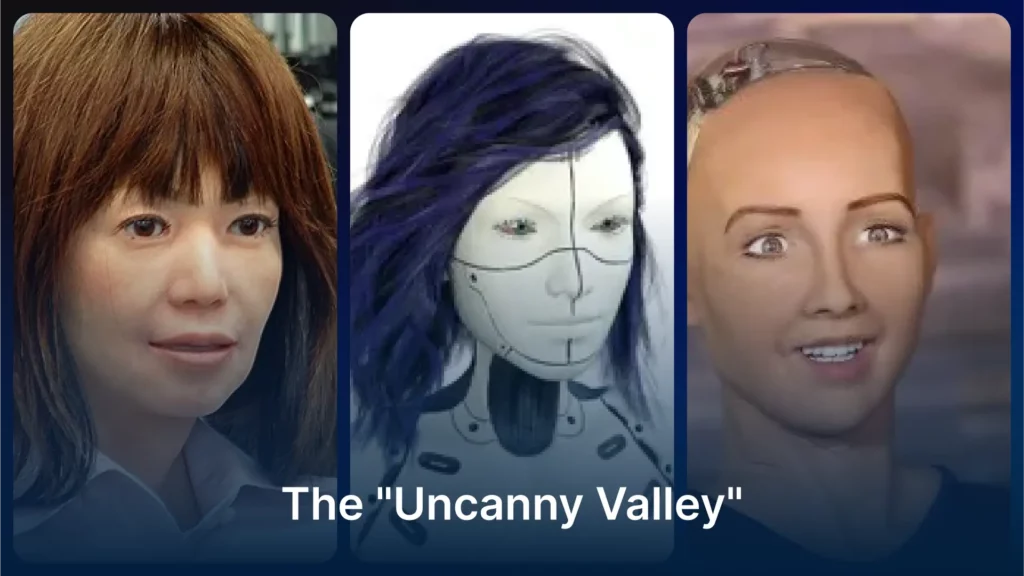
Scott Cawthon built the original cast out of necessity. Restricted by simple software tools and a lack of traditional animation teams, he focused on rhythmic, predictable movements. The core quartet—Freddy Fazbear, Bonnie the Bunny, Chica the Chicken, and Foxy the Pirate Fox—relied on the uncanny valley effect. They looked like malfunctioning family-restaurant mascots from the 1980s, triggering genuine childhood unease.
Players sat stationary behind a desk, managing limited power while monitoring security camera feeds. This design choice made the characters feel distant yet dangerously close. You couldn't fight back. You could only watch doors and check lights. The fear stemmed from anticipation rather than action.
Foxy stood out as a mechanical outlier. Hidden behind curtain number 12, his frantic sprint down the hallway created an immediate panic response. That single animation loop changed indie horror game design. Developers learned that simple visual triggers could terrify audiences just as effectively as high-budget graphics.
Transition to Complex Lore and Sequels
As sequels piled up, the characters evolved from simple ghosts possessing metal suits into complex narrative agents. Five Nights at Freddy's 2 introduced the "Toy" variants, sleek and colorful updates that contrasted sharply with the decaying "Withered" models from the first establishment. This visual stratification helped build a sense of industrial history within the fictional Fazbear Entertainment corporation.
Players stopped treating the cast as random monsters. Instead, they mapped out family tragedies, corporate negligence, and supernatural possession. Characters like Springtrap—revealed to house the rotting corpse of primary antagonist William Afton—brought explicit narrative horror to the forefront. You weren't just surviving a night shift anymore. You were unraveling a decades-long murder mystery hidden across mini-games and hidden audio logs.
Merchandise and the Shift to Mainstream Mass Appeal
You can't discuss this franchise without looking at its commercial footprint. Funko figures, plushies, and Halloween costumes transformed terrifying killers into cute collectibles. This commercial saturation paradoxically diluted some of the original horror while cementing the characters in modern pop culture.
Children who played the original games as teenagers now buy collector editions and ticket stubs for the Universal Pictures cinematic adaptations. The shift from scary indie project to mainstream commodity changed how fans interact with the brand. Animatronics that once inspired dread now appear on lunchboxes, backpacks, and trending TikTok videos.
This normalization proves fascinating from a psychological standpoint. Humans naturally anthropomorphize objects with faces. By taking nostalgic restaurant mascots and corrupting them with violence, the franchise tapped into a primal fear of trusted spaces turning hostile. Once the design became familiar, the fear faded into fondness.
The Cinematic Adaptation and Modern Interpretation
The release of the live-action movie brought these digital creations into physical reality using practical effects crafted by Jim Henson's Creature Shop. Seeing full-scale animatronics rather than computer-rendered models validated years of fan devotion. It proved that the core visual designs held enough strength to translate across different mediums.
Yet, this physical realization changed the dynamic again. On screen, the characters functioned as tragic protectors or misunderstood entities rather than purely malicious entities. The lore expanded through the official Scottgames updates and novel trilogies, giving characters distinct internal motivations.
Common Mistakes in Analyzing the Franchise
Many casual observers misunderstand what made these characters successful in the first place. Here are a few traps to avoid when studying the phenomenon:
- Assuming high graphics equaled high fear. The original game succeeded precisely because its primitive look matched the low-budget aesthetic of real arcade joints and pizza parlors.
- Ignoring the sound design. Character audio cues—like Freddy's distorted music box or Foxy's running footsteps—did more heavy lifting than the visual models alone.
- Treating the lore as a single linear plot. The story evolved organically over years through fan theories, retcons, and spin-off books, meaning character definitions shifted constantly.
Frequently Asked Questions
Why do Five Nights at Freddy's characters look like Chuck E. Cheese animatronics?
Scott Cawthon drew heavy inspiration from real-life family entertainment centers and the eerie nature of mechanical puppets from the 1980s and 1990s.
Are the characters ghosts or robots?
They are both. Human souls possess the metal endoskeletons and suits, merging technological horror with supernatural tragedy.
Why did Foxy become the most popular character in the first game?
Foxy required active management of the security cameras, forcing players to break their routine and check a specific blind spot frequently.
How did the characters change for the movie?
The production team relied heavily on physical, full-sized animatronic suits built by creature effects experts rather than digital rendering, giving them tangible weight on screen.
Is the original game lore still relevant to current releases?
Yes, though modern entries and spin-offs expand the universe significantly, the foundational events involving the original restaurant locations remain the anchor point for the entire mythos.



