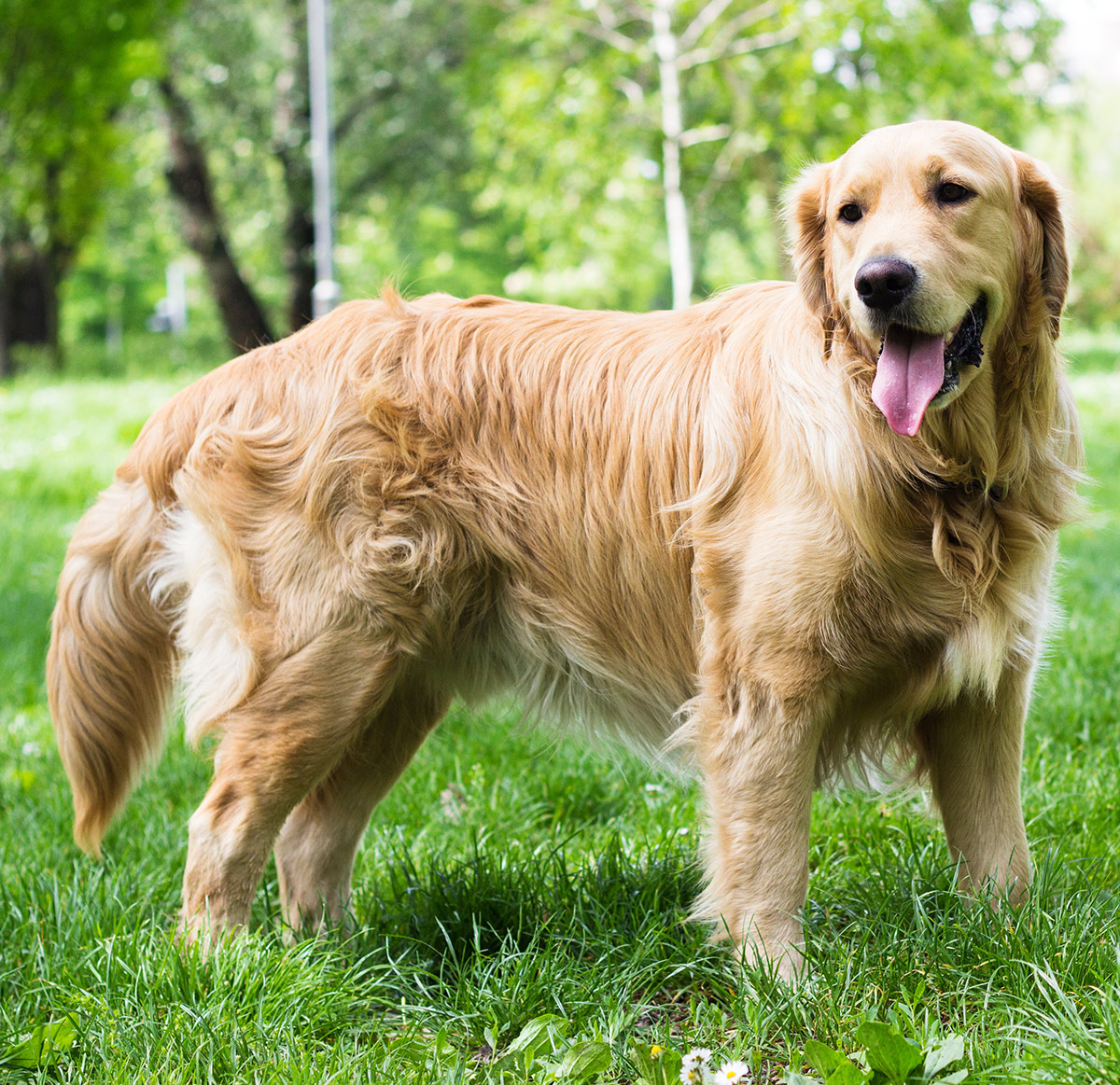
Bringing a dog home changes your daily routine, your weekend plans, and your home environment. When you're searching for a Golden Retriever in mountain regions, you're looking for a dog that needs to handle high altitudes, variable weather, and rugged outdoor terrain. Finding a healthy puppy or rescue dog requires patience, careful evaluation of breeders or adoption agencies, and a clear understanding of what this specific breed needs to thrive.
Responsible acquisition means you look past quick online listings and focus on health clearances, ethical breeding practices, or legitimate rescue networks. Mountain environments demand physical resilience, and starting with a sound, well-socialized dog makes all the difference when you're hitting the trails.
Evaluating Sources: Breeders Versus Rescues
Choosing between a breeder and a rescue organization depends on your lifestyle, your experience level, and how much time you have for puppy training. Both paths have merits, but both require strict vetting to ensure you're supporting ethical animal welfare practices.
Finding a Reputable Breeder
A responsible breeder focuses on preserving the health, temperament, and structural soundness of the Golden Retriever. They don't breed dogs just to turn a profit or supply commercial broker networks. When you contact a breeder, expect them to ask you just as many questions as you ask them. They want to know about your living situation, your activity level, and your experience with large-breed dogs.
Look for key indicators of a serious breeding program:
- Health clearances for both parents, certified through organizations like the Orthopedic Foundation for Animals (OFA) or equivalent veterinary specialists covering hips, elbows, eyes, and heart.
- Transparent living conditions where puppies are raised inside the home rather than isolated in outdoor kennels or barns.
- A written contract that includes a health guarantee and a clause requiring you to return the dog to them at any life stage if you can no longer keep it.
- Clear limits on how many litters a female dog has, prioritizing her health and recovery over volume.
Navigating Rescue Groups and Shelters
Adopting an older dog or a rescue puppy is rewarding, but it comes with its own set of considerations. Many dogs end up in rescue systems due to human lifestyle changes rather than behavioral flaws. Regional organizations, such as the Golden Retriever Rescue of the Rockies, evaluate dogs in foster homes to understand their triggers, energy levels, and social compatibility.
When working with a rescue group, ask detailed questions about the dog's background. Find out how they react to livestock, wildlife, cyclists, and cold weather. Foster parents can tell you if the dog is house-trained, how they handle being left alone, and whether they display any resource guarding. Adopting an adult dog often lets you skip the sleepless nights of house-training while gaining an instant hiking companion.
Health and Genetic Considerations in Mountain Climates
Golden Retrievers are prone to certain hereditary health issues that can be exacerbated by high-altitude living and rigorous physical activity. Understanding these conditions helps you ask the right questions before committing to a dog.
Hip and elbow dysplasia are common concerns in larger breeds. Poor joint structure leads to early-onset arthritis, which becomes painfully obvious when a dog tries to scramble up steep rocky terrain or deep snow packs. This is why official orthopedic clearances for parents are non-negotiable.
Heart conditions, such as subaortic stenosis (SAS), and various eye disorders also affect the breed. At higher elevations, lower oxygen levels put extra strain on the cardiovascular system. A dog with an undetected heart murmur or respiratory weakness won't handle long mountain hikes safely. Always request copies of veterinary clearances rather than taking verbal promises at face value.
Preparing Your Home and Lifestyle for a Golden Retriever
Before your new dog arrives, you need to set up your living space and gear up for the unique demands of mountain living. Golden Retrievers have double coats that shed heavily twice a year, and mountain environments introduce extra debris like pine needles, burrs, and mud.
Gear and Conditioning
If you plan to bring your dog on outdoor excursions, conditioning takes time. You can't take a sedentary dog straight into a ten-mile mountain trek without risking torn paw pads, strained ligaments, or exhaustion. Build up their stamina gradually on flat terrain before tackling steep inclines.
Essential gear includes:
- A sturdy, well-fitted harness that distributes pulling force evenly across the chest rather than putting pressure on the throat.
- Paw wax or protective booties to shield sensitive pads from sharp shale, hot summer rock, and winter ice-melt chemicals.
- A high-visibility vest, especially during hunting seasons or in dense brush where the dog might blend into autumn foliage.
- Collapsible water bowls and a dedicated canine backpack if your dog is strong enough to carry their own waste bags and water supply.
Training and Socialization
A well-trained dog is safer on mountain trails where you might encounter wildlife, livestock, horses, or other hikers. Reliable recall (coming when called) is vital. If your dog chases wildlife down a steep ravine or startles grazing livestock, dangerous situations can occur for both your pet and local animals. Invest time in positive reinforcement obedience classes early on. Socialize your puppy to loud noises, different trail surfaces, and passing mountain bikes so they remain calm and confident in new environments.
Common Mistakes to Avoid
Many new owners make preventable errors when acquiring and raising a dog in rugged regions. Avoiding these pitfalls saves you stress and ensures your dog lives a healthy life.
- Buying based on price or speed: Looking for a bargain puppy often leads straight to backyard breeders or puppy mills where genetic health is ignored. Saving money upfront usually results in massive veterinary bills down the road.
- Skipping formal health verification: Trusting a seller who claims "the parents look healthy" without official documentation leaves you vulnerable to expensive, heartbreaking genetic conditions.
- Over-exercising young puppies: High-impact activities like running alongside a bicycle or jumping down from high boulders can permanently damage a puppy's growing growth plates. Consult your veterinarian about safe exercise limits for each developmental stage.
- Neglecting winter coat care: Allowing a wet, muddy double coat to stay damp in cold mountain weather leads to hot spots and skin infections. Dry and brush your dog thoroughly after snowy or rainy outings.
Frequently Asked Questions
How much exercise does a young Golden Retriever actually need?
Puppies need short, frequent play sessions rather than long-distance endurance hikes. A good rule of thumb for structured walking is about five minutes of exercise per month of age, up to twice a day, until they reach skeletal maturity around 12 to 18 months old. Free play in a secure yard lets them regulate their own energy levels safely.
Are Golden Retrievers good companions for cold-weather outdoor activities?
Yes, their thick double coats make them well-suited for cooler climates and snow. However, they are still susceptible to hypothermia if left soaking wet in freezing winds. Always dry them off, provide a warm shelter or indoor space, and monitor their paws for ice accumulation between their toes during winter outings.
What is the difference between an English-type and American-type Golden Retriever?
While both belong to the same breed, English-types (often called European or British retrievers) tend to have broader heads, lighter cream-colored coats, and slightly heavier builds. American-types often feature a more athletic, leaner build and darker golden coats. Both types share the friendly, eager-to-please temperament that defines the breed.
How can I spot a backyard breeder masquerading as a hobbyist?
Backyard breeders often have multiple litters available year-round, refuse to let you meet the mother dog on-site, offer no health guarantees, and sell puppies without registration papers or veterinary wellness checks. If a seller is willing to meet you in a random parking lot to hand over a puppy without paperwork, walk away immediately.



