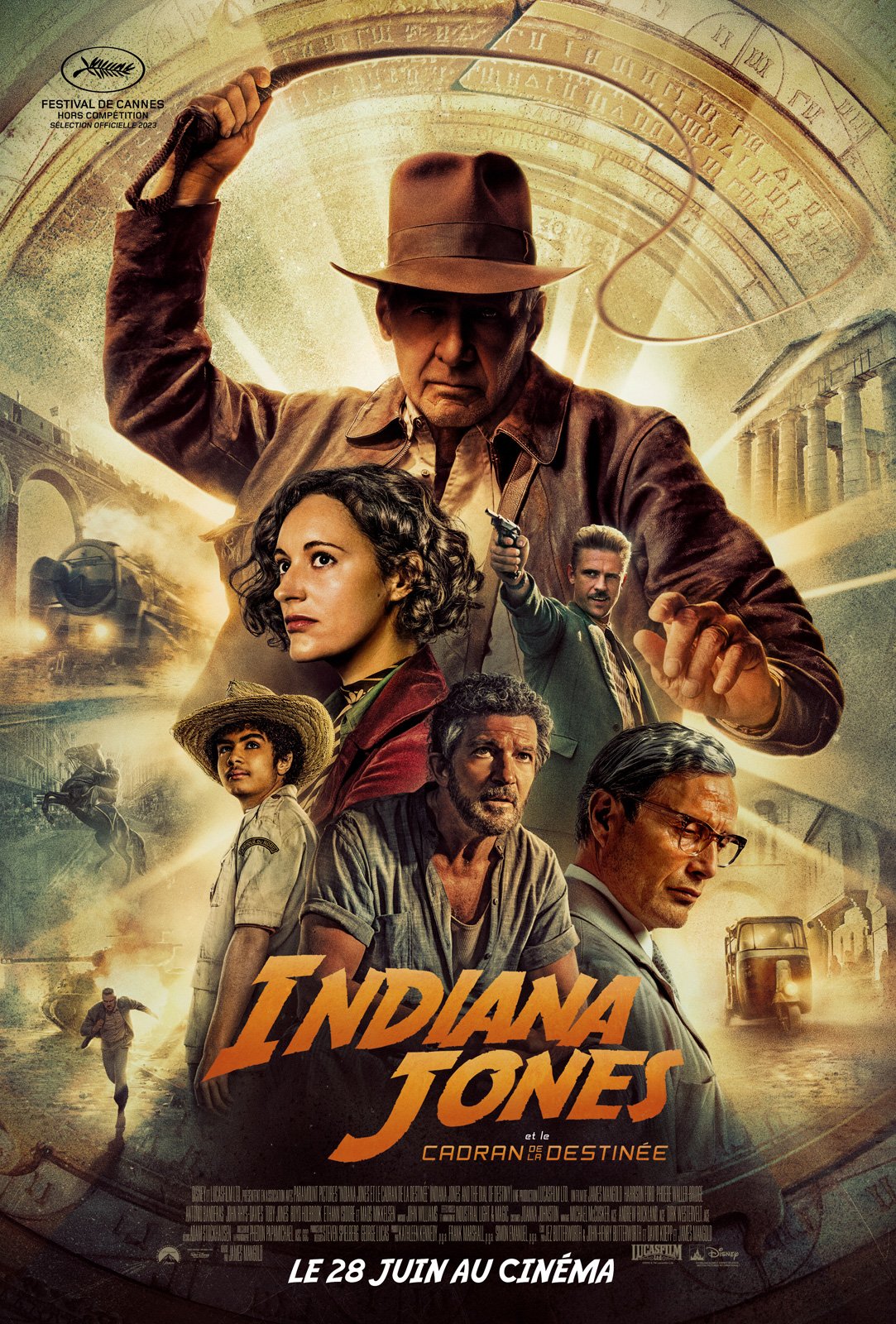
Behind every blockbuster hit lies an intricate web of casting choices, crew coordination, and unseen labor that defines modern cinema. When audiences watch a finished film, they see the polished surface, but the true engine of Hollywood success operates entirely behind the curtain. Understanding how casting directors, line producers, and technical crews shape a production reveals the real mechanics of the film industry.
Blockbuster filmmaking isn't just about a famous lead actor reciting lines under studio lights. It's a massive logistical enterprise where pre-production decisions dictate whether a multi-million-dollar project succeeds or collapses. This breakdown examines the hidden mechanics of casting, crew dynamics, and the production choices that power Hollywood's biggest hits.
The Anatomy of Modern Casting
Casting directors rarely get the public glory that headline actors receive, yet their choices dictate a film's commercial and artistic viability. Long before cameras roll, casting teams scour theater companies, independent films, and open auditions to assemble an ensemble that creates immediate on-screen chemistry.
The process starts with character breakdowns sent to talent agencies. However, the best casting directors look past standard headshots to find performers who can elevate the written text. For instance, matching child actors with veteran performers requires immense precision, as seen in classic Amblin Entertainment productions where naturalism trumps technical training.
- The Chemistry Read: Before locking in a lead role, actors participate in paired readings to test interpersonal dynamics.
- Open Calls vs. Direct Offers: Studios balance guaranteed box-office draws with unknown talent to keep budgets manageable and performances fresh.
- Voice and Physicality Casting: For non-traditional roles or voice acting, physical presence or unique vocal texture matters more than traditional star power.
Below-the-Line Powerhouses
While directors and lead actors command public attention, below-the-line crews—cinematographers, costume designers, gaffers, and editors—actually construct the visual grammar of a film. A brilliant script fails instantly if the lighting department cannot establish tone or if the editor misjudges pacing in the assembly cut.
Cinematographers work closely with directors to establish visual language, deciding whether to shoot on location or utilize soundstages. Every camera angle, lens choice, and color grade alters how an audience perceives character motivation.
"The camera doesn't just record the scene; it participates in the emotional delivery of the story."
Key Crew Roles That Drive Production
- Cinematographer (Director of Photography): Controls lighting, framing, and camera movement to translate the director's vision onto film stock or digital sensors.
- Production Designer: Builds the physical world, ensuring sets look authentic to the era and narrative constraints.
- Editor: Shapes the raw footage into a cohesive narrative, managing rhythm, tension, and emotional payoff during post-production.
Overcoming Production Bottlenecks
Major studio films face constant logistical hurdles, from shifting weather conditions to uncooperative schedules. Successful productions rely on strict pre-planning managed by assistant directors and production managers. When a location falls through or an actor falls ill, the entire crew must pivot without inflating the daily budget.
Budget management remains a silent art form in Hollywood. A single day of shooting on a major studio lot can cost hundreds of thousands of dollars, meaning every department head must coordinate daily call sheets with absolute precision.
Frequently Asked Questions
What does a casting director actually do?
Casting directors read scripts, analyze character requirements, scout talent globally, organize auditions, and present shortlists of actors to the director and producer for final selection.
Why are below-the-line workers critical to a film's success?
Below-the-line workers include all technical and operational crew members—such as camera operators, sound mixers, and set designers—who physically build, shoot, and finalize the movie. Without their technical expertise, a script cannot be produced.
How do studios balance unknown actors with big stars?
Studios often pair a bankable star who guarantees opening-weekend box office revenue with unknown or rising talent in supporting roles to balance audience draw with budget efficiency.
What is a chemistry read?
A chemistry read is an audition where two or more actors read scenes together to allow producers and directors to evaluate their interpersonal dynamic and on-screen compatibility.
For more insights into industry standards and union guidelines, you can review resources provided by SAG-AFTRA and the Directors Guild of America.



