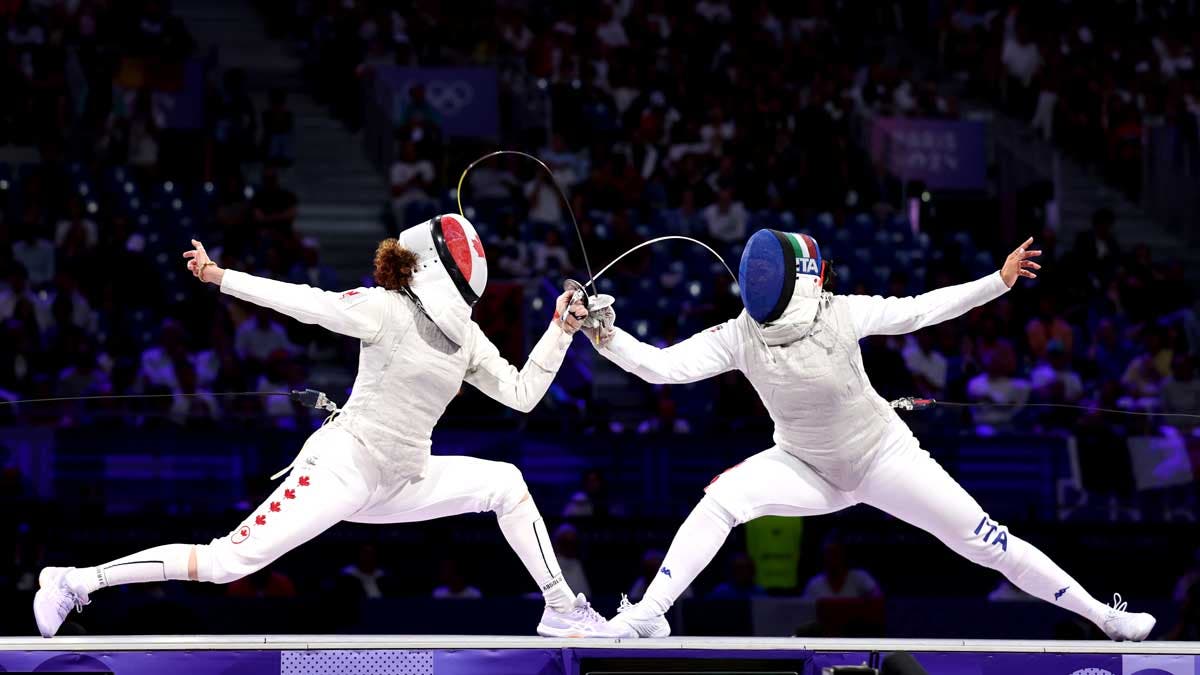
Competitive fencing demands a rare fusion of lightning-fast physical reflexes, acute spatial awareness, and deep tactical problem-solving. It's often described as physical chess because you're constantly setting traps, reading micro-movements, and trying to outsmart an opponent while moving at high speeds. Whether you're stepping onto the strip for your first tournament or trying to break out of a competitive plateau, winning requires systematic mastery of distance, weapon mechanics, and psychological control.
Fencing matches take place on a narrow strip called the piste, where two athletes armed with one of three weapons—the foil, epee, or sabre—compete to score touches. In direct elimination bouts, the winner is the first to score 15 touches or the leader after three three-minute periods. Success isn't about raw athleticism alone; it's about controlling tempo, managing the safe fighting distance, and forcing your opponent into mistakes they didn't see coming.
Understanding the Three Weapons and Their Rules
Each fencing weapon features distinct rules, valid target areas, and tactical priorities. Choosing your weapon shapes how you move, attack, and defend.
Foil
Foil is a lightweight thrusting weapon modeled after the traditional dueling smallsword. The valid target area is strictly the torso, excluding the limbs and head, which is historically designed to protect the vital organs. Foil uses the rule of right-of-way, meaning the fencer who initiates the attack holds the offensive priority. If both fencers hit simultaneously, the referee awards the point to the attacker unless the defender successfully parries or makes the attack miss. If you want more about the background here, CBS Sports provides an in-depth breakdown.
Epee
Epee is a heavier, stiffer thrusting weapon derived from the dueling sword. The entire body is a valid target area, from the tip of your toe to the top of your mask. Unlike foil, epee features no right-of-way rules. Whoever hits first gets the point. If both fencers hit within milliseconds of each other, both receive a point. This weapon rewards patience, precise point control, and exploiting your opponent's exposed wrist or foot when they step forward.
Sabre
Sabre is a fast, aggressive cutting and thrusting weapon descended from the military cavalry saber. The valid target area includes the entire body above the waist, including the head and arms. Like foil, sabre relies on right-of-way rules, but because cutting with the edge of the blade counts as a valid touch, bouts move at an explosive pace. Footwork in sabre is punishingly fast, and matches often turn on who dictates the opening charge.
Mastering Footwork and Distance
Footwork forms the foundation of every great fencer. If your legs can't carry you into distance and back out of danger instantly, your bladework won't matter.
- The Advance and Retreat: Keep your knees bent and your center of gravity low. When moving forward or backward, your feet should never cross. Shuffling smoothly prevents you from stumbling when your opponent launches a sudden counter-attack.
- The Lunge: Your primary scoring attack. Push off your back foot while straightening your front arm completely, then drive your front leg forward. Your trailing foot stays planted to maintain recovery balance.
- Blade Distance Control: Managing the literal gap between your weapon tip and your opponent's target defines the bout. Good fencers constantly inch forward to draw a reaction, then retreat just out of range to make the opponent's attack fall short.
For official competition standards and regulatory updates, consult USA Fencing, the national governing body for the sport in the United States.
Core Tactical Strategies to Win Bouts
Winning requires more than executing clean moves; it requires manipulating your opponent's mental state and exploiting predictable patterns.
Controlling the Tempo
Don't match your opponent's preferred speed. If they love a fast, chaotic game, slow the bout down by pausing at the line, resetting your guard, and forcing them to initiate when they're uncomfortable. Conversely, catch a cautious opponent flat-footed by launching an immediate, aggressive blitz right as the referee calls "play."
Setting Traps and Counter-Attacking
Deliberately leave a small opening—such as exposing your high outside line—to bait your opponent into a predictable attack. The moment they commit to that specific angle, parry firmly and hit the riposte. Anticipating their choice turns defense into an automatic point.
Exploiting the Second Intention
A second-intention play involves making a fake attack to draw a specific reaction from your opponent, and then executing your real plan based on how they respond. For example, advance aggressively to force them to parry, retreat slightly to make their parry miss empty air, and finish your touch while they're off balance.
To explore international rules, referee guidelines, and global competition calendars, visit the International Fencing Federation.
Physical Conditioning and Mental Resilience
Fencing drains energy systems across the board, requiring explosive power, anaerobic endurance, and laser-sharp focus for grueling tournament days.
- Strength and Plyometrics: Incorporate lunges, squat jumps, and core stability work to build explosive leg drive. Single-leg strength protects your knees from the heavy impact of repeated lunges.
- Interval Conditioning: Fencing bouts consist of short, high-intensity bursts followed by brief rests. Train with high-intensity interval training (HIIT) to mimic real match fatigue.
- Mental Toughness: A single bad touch can derail a match if you dwell on it. Elite fencers treat every point as a standalone event, shaking off mistakes instantly to focus on the next tactical exchange.
Common Mistakes That Cost Points
Even experienced fencers lose matches by falling into lazy habits during high-pressure moments.
- Bending the arm before launching the attack: In weapons with right-of-way, pulling your arm back or bending your elbow before you lunge hands the priority straight to your opponent.
- Standing too upright: Rising out of your deep lunge stance slows your reaction time and ruins your balance, making you an easy target for simple thrusts.
- Chasing instead of trapping: Running blindly after a retreating opponent wastes energy and walks you right into their counter-attacks. Let them come to you or cut off the strip systematically.
Frequently Asked Questions
What is the difference between priority and right-of-way?
In fencing terminology, right-of-way dictates who gets the point when both fencers hit at the same time in foil and sabre. Priority is a specific tie-breaker rule used if a match ends in a tie after overtime, where a winner is randomly assigned before extra time begins.
How heavy is a fencing weapon?
Fencing weapons are surprisingly light. A standard foil weighs under 500 grams, an epee weighs around 770 grams, and a sabre weighs roughly 500 grams, designed for fast, precise handling.
Can left-handed fencers gain an advantage?
Yes. Left-handed fencers (lefties) frequently hold a tactical advantage because most right-handed competitors rarely practice against left-handed opponents. The angles for lines of attack are mirrored, making standard defensive parries feel awkward for right-handers.
How do electric scoring systems work?
Modern fencing uses conductive gear connected to a scoring machine via body cords and reels. When a weapon tip with enough pressure (in foil and epee) or a conductive blade (in sabre) makes contact with the correct conductive vest or target area, the machine registers a hit with a sound and light.



