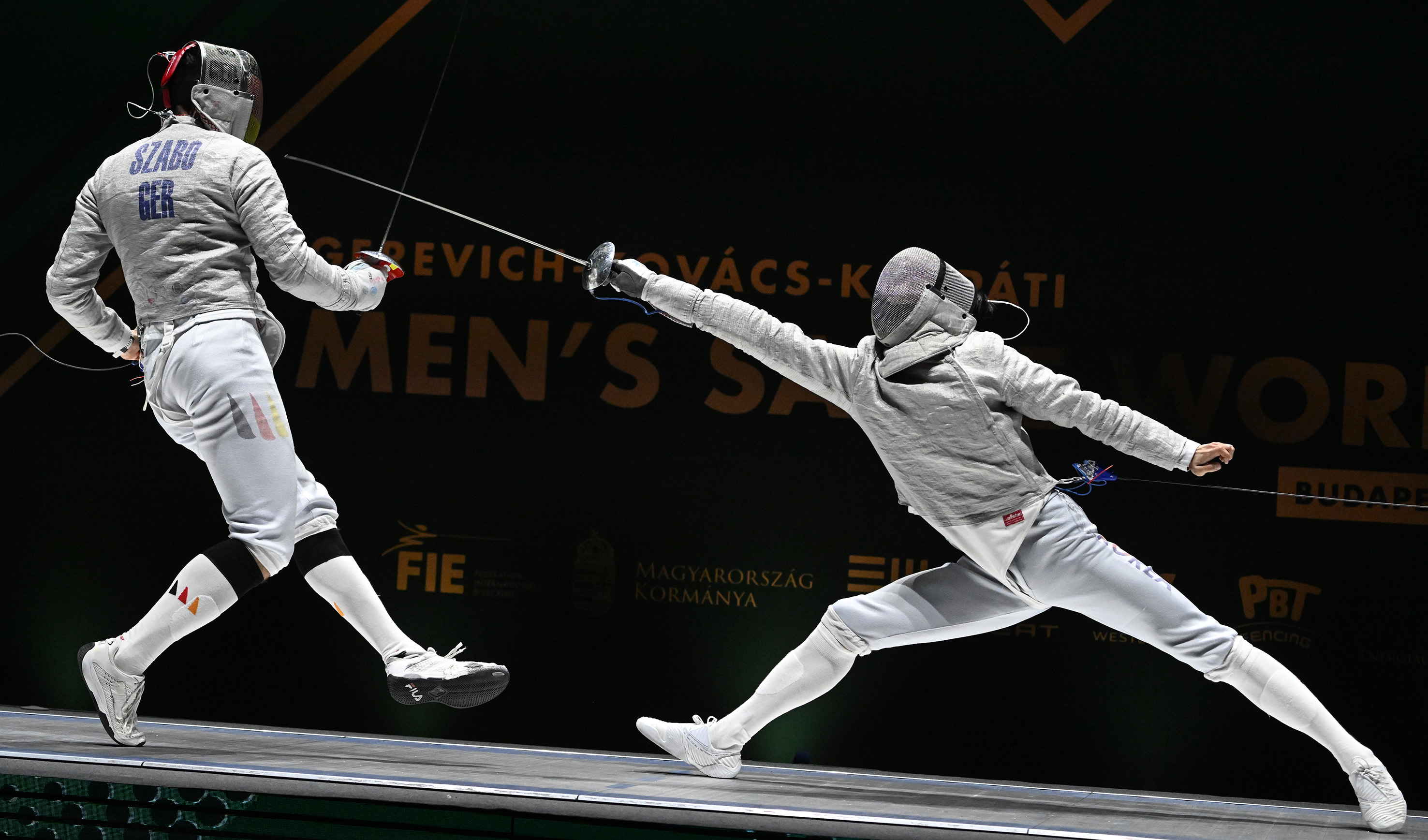
Starting out in fencing means mastering a unique blend of explosive leg power, rapid decision-making, and precise coordination. If you're stepping onto the strip for the first time, you don't need a heavy weapon or an opponent to build the foundation you need. You can develop core fencing competence right at home through targeted movement patterns and physical conditioning.
Fencing requires an unusual athletic profile: you need the lower-body endurance of a distance runner combined with the explosive acceleration of a sprinter. This guide breaks down the exact conditioning routines, foundational footwork drills, and solo practice methods required to transform your movement quality and prepare you for your first official bouts.
Understanding Fencing Physical Demands
Before jumping into workouts, it helps to understand what the sport actually asks of your body. Fencing bouts consist of short, high-intensity bursts of motion followed by brief pauses. During a single touch, you might explode forward at top speed, stop instantly, change direction, and recover your balance within a fraction of a second.
This stop-start nature places heavy demands on your quadriceps, glutes, core, and calves. Traditional steady-state jogging won't prepare your joints for the specific lateral and linear loads of the en garde position. Instead, your training should target mobility, unilateral leg strength, and reactive agility.
Essential Off-Strip Conditioning Workouts
Building a resilient body starts with baseline strength and stability exercises that protect your joints from the repetitive strain of lunging and recovering.
Lower Body Strength Circuits
Your legs are your engine. Without reliable lower-body strength, your footwork will become sloppy when fatigue sets in. Focus on movements that build single-leg stability and explosive power.
- Bodyweight and Weighted Squats: Stand with your feet shoulder-width apart, lower your hips back and down, and keep your chest upright. Perform 3 sets of 12 repetitions to build foundational quad and glute strength.
- Walking Lunges: Take controlled steps forward, dropping your back knee gently toward the floor while keeping your torso vertical. Complete 3 sets of 10 steps per leg to mimic the descent of a fencing attack.
- Calf Raises: Fencing requires constant pushing off the back foot. Perform straight-leg and slightly bent-knee calf raises to strengthen your lower calves and Achilles tendons, aiming for 3 sets of 15 reps.
Core Stability Training
A rigid, stable core prevents your upper body from collapsing forward when you lunge or retreat.
- Standard Planks: Hold a forearm plank for 45 to 60 seconds, keeping your glutes squeezed and your lower back flat.
- Side Planks: Hold for 30 seconds per side to fortify your oblique muscles, which stabilize your pelvis during lateral shifts and rapid direction changes.
Foundational Fencing Footwork Drills
Footwork is the absolute backbone of fencing. Clean mechanics allow you to control distance, which is how you dictate the tempo of a match. Keep a weapon out of your hands during these initial drills so you can focus entirely on posture and balance.
The En Garde Stance
Your stance is your launchpad and your shield. Stand sideways with your front foot pointing straight toward your target and your back foot turned outward at roughly a 90-degree angle. Your heels should be roughly heel-to-heel or heel-to-arch apart, with your knees softly bent.
Your weight should sit evenly balanced between both feet. If you lean too far forward, you can't recover quickly; if you lean backward, you lack explosive drive.
Advance and Retreat Repetitions
The advance and retreat are your primary modes of travel on the strip.
- The Advance: Move forward by stepping with your front foot first, placing it down quietly, and immediately following with your back foot to restore your original stance distance. Do not click your heels together or bounce upward.
- The Retreat: Move backward by pushing off your front foot and moving your back foot backward first, followed immediately by your front foot.
Spend 3 to 5 minutes every session practicing smooth, silent advances and retreats across a straight line on your floor.
The Lunge and Recovery
The lunge is your primary scoring weapon. It transforms a defensive distance into an offensive strike.
- Execution: From your en garde stance, extend your weapon arm fully while simultaneously driving your front foot forward and pushing off explosively with your back leg. Your back knee should straighten fully as you launch.
- The Landing: Your front heel should land softly, with your front shin roughly vertical and your thigh parallel to the floor. Your back foot remains flat on the floor, anchored.
- The Recovery: Without leaning your torso forward, pull forcefully with your front thigh and push with your front foot to snap your body back into the balanced en garde position.
Practice 3 sets of 8 to 10 controlled lunge-and-recovery repetitions, prioritizing form over absolute speed.
Solo Shadow Fencing and Point Control
Once your footwork feels stable, you can layer in upper-body mechanics using shadow fencing and target practice.
Shadow Fencing Drills
Shadow fencing involves moving through a mental landscape where you visualize an opponent.
- Move through combinations of two advances followed by a sudden lunge.
- Practice a retreat immediately followed by a counter-attack simulation.
- Vary your internal rhythm: alternate between slow, cautious pacing and sudden explosive bursts of movement.
Spend 2 to 3 rounds of two minutes each on shadow fencing to build both your aerobic capacity and your technical muscle memory.
Target Accuracy Training
Fencing is a game of millimeters. Hitting a precise target under pressure separates casual participants from competitive fencers.
- Tape a small sticky note or paper target marked with a crosshairs onto a blank wall at chest height.
- Stand at a distance where a normal lunge allows your hand to touch the center of the target cleanly.
- Practice extending your arm first, locking your elbow, and then launching your lunge so your point hits the center every single time without drifting.
Common Beginner Mistakes to Avoid
Fixing minor technical errors early saves you months of unlearning bad habits later. Watch out for these frequent missteps:
- Telegraphing attacks: Many beginners drop their point or pull their shoulder back right before they lunge. Always initiate an attack by extending the arm forward before the legs begin to drive.
- Bouncing: Hopping up and down wastes energy and leaves you airborne when your opponent attacks. Keep your feet skimming low across the floor surface.
- Leaning the torso: Bending forward at the waist during a lunge reduces your reach and destroys your balance. Keep your spine neutral and let your legs do the traveling.
For additional insight into athletic conditioning standards, you can review guidelines provided by organizations like the USA Fencing portal or sports science frameworks detailed via Sport Canada publications.
Frequently Asked Questions
How often should a beginner practice fencing footwork?
Practicing footwork for 10 to 15 minutes, four to five times a week, builds neural pathways faster than one long weekly session. Consistency matters more than volume when developing balance.
Do I need special shoes to practice fencing at home?
Flat-soled athletic shoes with good lateral grip work best. Running shoes with thick, cushioned heels or high treads can catch on the floor and destabilize your ankles during directional changes.
Can I practice blade work without a coach?
You can practice basic arm extension, line changes, and solo shadow fencing safely. However, learning complex parry-riposte timing and distance management requires working with a qualified coach or training partner on a regulation strip.
What weapon should a beginner choose?
Most fencing coaches recommend starting with the foil because its strict right-of-way rules and smaller target area force beginners to learn discipline, distance control, and foundational blade priority effectively.



