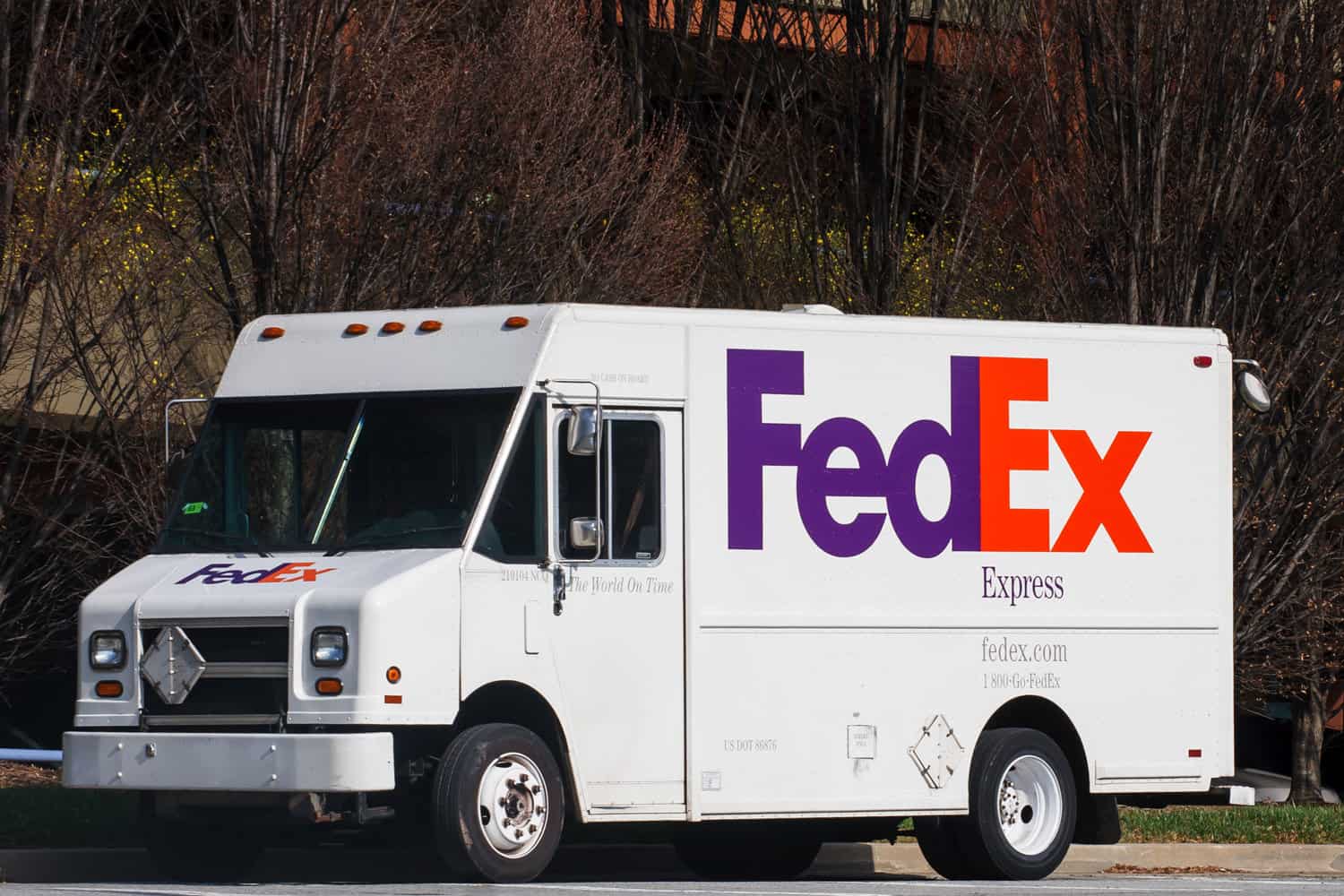
When you drop off a box, it enters a complex industrial machine designed to move millions of items across continents in hours. FedEx package handling relies on an invisible, highly synchronized infrastructure of automated hubs, high-speed optical scanners, and precision routing algorithms. Far from simple conveyor belts, modern sorting facilities operate continuous-flow processes where every barcode, weight sensor, and robotic arm dictates whether your shipment arrives on time or gets delayed.
Understanding how this logistics network works reveals the exact journey your shipment takes from origin to doorstep. Let's break down the technology, the transit stages, and the hidden operational bottlenecks that dictate package safety.
The Intake and Induction Phase
Every shipment begins its life in the network at an origin station, drop-off box, or retail counter. Once collected, drivers load packages into regional feeder vehicles that transport them to local sorting stations.
At the station, workers and automated induction systems feed items onto high-speed primary belts. This is where the sorting network captures the first critical digital footprint of your item. To understand the full picture, check out the recent analysis by The New York Times.
Six-Sided Barcode Scanners
Modern facilities use multi-sided camera tunnels capable of reading barcode labels regardless of how the box lands on the belt.
- Optical Character Recognition (OCR): If a barcode is scratched or partially obscured, fallback imaging systems read destination text to prevent routing failures.
- Dimensioning Sensors: Inline scales and laser arrays measure the exact weight, length, height, and width instantly. This data feeds into load-planning algorithms to optimize aircraft and trailer space.
If a package's label is completely illegible or damaged, it gets diverted to an exception lane. Human operators manually inspect these items, cross-referencing tracking numbers with manifest databases to get them back on track.
Core Sorting Infrastructure and Automated Hubs
After induction, packages travel through regional hubs before hitting major super-hubs like the FedEx World Hub in Memphis, which processes hundreds of thousands of items per hour. Inside these massive facilities, items move through miles of overhead conveyor systems.
[Intake / Drop-off]
       │
       ▼
[Six-Sided Scanner & Scale] ──► [Exception Lane (if label damaged)]
       │
       ▼
[High-Speed Cross-Belt Sorter]
       │
       ▼
[Containerization &ULD Loading]
The sorting floors use cross-belt and tilt-tray technologies. As a package slides past designated chutes, high-speed diverters push or tilt the item onto specific secondary belts bound for specific destination containers or United Load Devices (ULDs) used in aircraft cargo holds.
The Role of Robotics and AI
While automated machinery handles the heavy lifting of high-volume sorting, complex or oversized freight still requires human intervention.
- Small-Package Arms: Robotic arms pick up loose or odd-shaped small items to reduce jams on fast-moving primary lines.
- Smart Routing Software: Real-time data processing balances workloads across different sorting bays to prevent bottlenecks during peak holiday surges.
Transit and Transport Coordination
Once sorted into containers, shipments transition from stationary facilities to mobile transport nodes. This phase balances air freight speed with ground freight cost-efficiency.
- Feeder Trucks: Move containers between local stations and regional sorting hubs overnight.
- Linehaul Semis: Long-distance trucks transport bulk freight across the highway network, running on strict safety and driver-rest schedules managed by fleet logistics software.
- Cargo Aircraft: Air networks connect continents overnight, requiring strict weight distribution and hazardous material compliance to maintain flight safety.
Every transport leg updates automatically when containers pass RFID readers at dock doors, giving operations teams end-to-end visibility.
Common Vulnernesses and Package Damage Risks
Despite sophisticated engineering, package handling involves physical forces that can compromise fragile contents. Knowing where damage typically occurs helps you protect your shipments.
1. Inadequate Box Strength
Many shippers reuse old corrugated boxes whose structural integrity has already degraded. When stacked four or five high inside a ULD container or trailer, weak outer walls crush under pressure. Always use double-walled boxes for heavy items.
2. Void Space and Shifting Contents
If an item rattles around inside its packaging, it will collide with internal walls during high-speed sorting drops and belt transitions. Proper cushioning materials like air pillows, molded foam, or dense paper absorb kinetic shock.
3. Improper Tape Application
Standard cellophane tape splits or peels under friction on industrial rollers. Industrial-grade pressure-sensitive plastic tape applied in an H-pattern across all carton flaps prevents accidental pop-opens during automated handling.
You can review official packaging guidelines directly on the FedEx Packaging Resources portal to ensure your shipments meet carrier standards.
Frequently Asked Questions
What happens if my package barcode gets torn off during sorting?
Automated scanners divert unreadable packages to an exception station. Staff check internal manifests, shipping histories, and dimensions to match the item to its tracking record, though this can add 24 hours to delivery times.
Why do packages sometimes loop between the same two sorting facilities?
A loop usually happens when a barcode is smudged, causing an automated sorter to misread the destination code repeatedly. Once a human operator catches the error and applies a fresh barcode, the package resumes its normal route.
Are fragile packages handled differently than standard boxes?
Standard automated lines treat all properly sized boxes similarly unless they bear specific handling labels. However, oversized or extraordinarily fragile items flagged as "Special Handling" are routed away from high-speed drop chutes for manual processing.
How do automated hubs prevent items from getting jammed?
Facilities use overhead optical monitoring cameras and photoelectric sensors along every conveyor section. If a blockage or slowdown occurs, the control room automatically pauses upstream belts to prevent crushing pile-ups.



